




 007
PlayNintendo
Handhelds Won
Nintendo has shipped 935 million game machines since 1980. Just over half were handhelds, and its best-seller is a machine that is both.
No. 001 · Apple
Fifty-five iPhones in nineteen years. The screen tripled in area, the front grew by four-fifths, and the newest one folds to almost the height of the first.
 2007iPhone
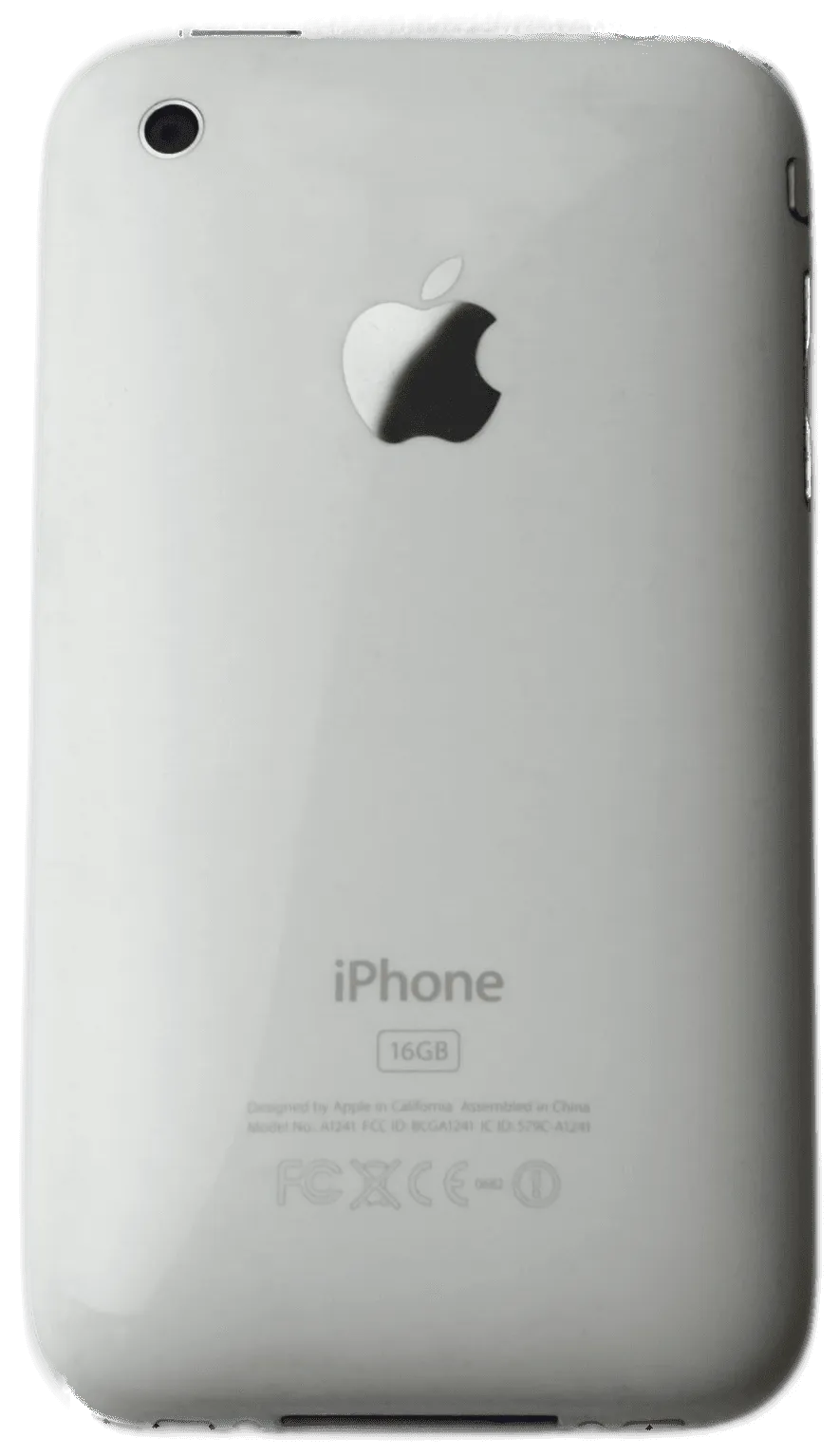 20083G
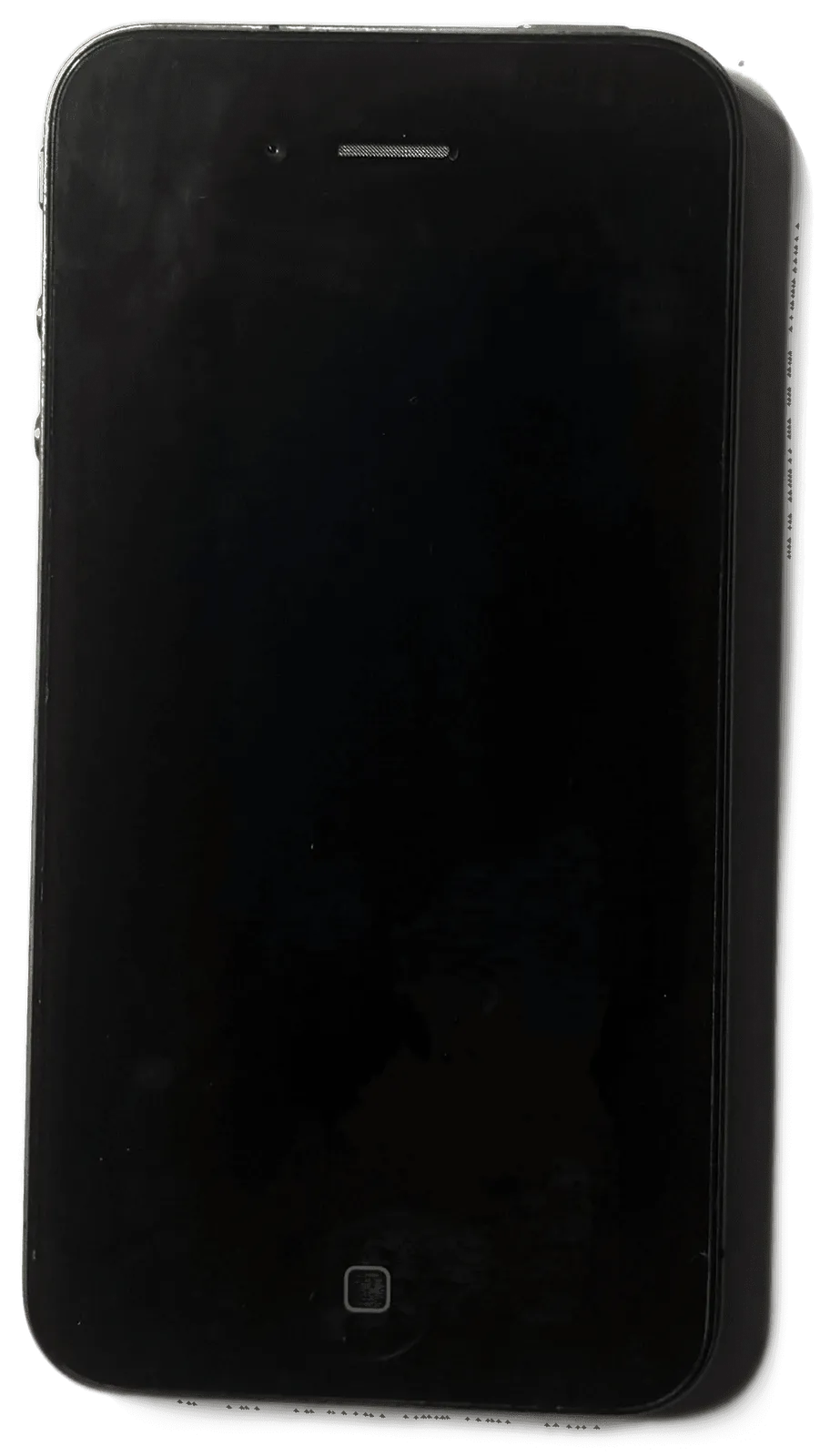 20104
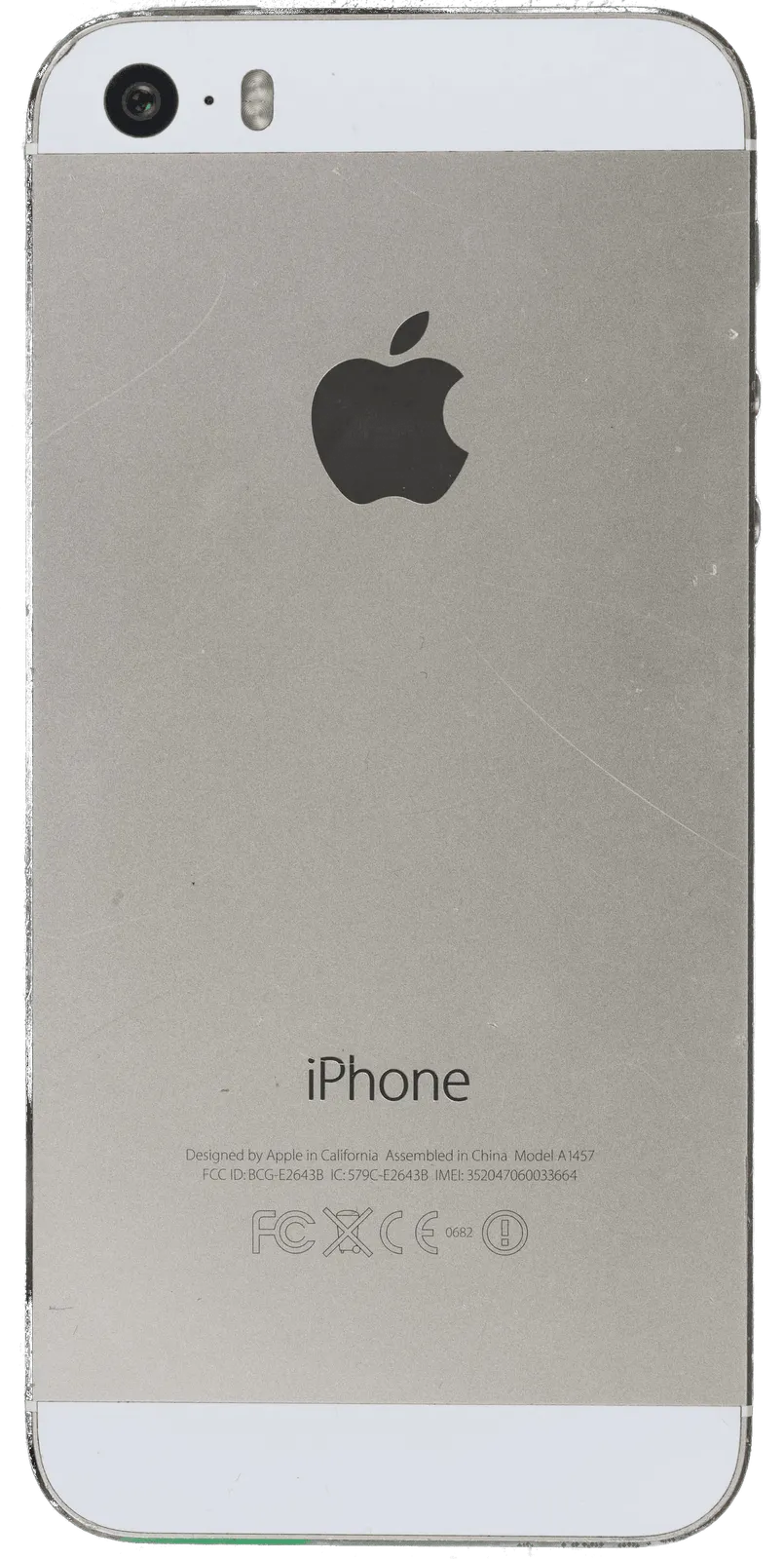 20135s
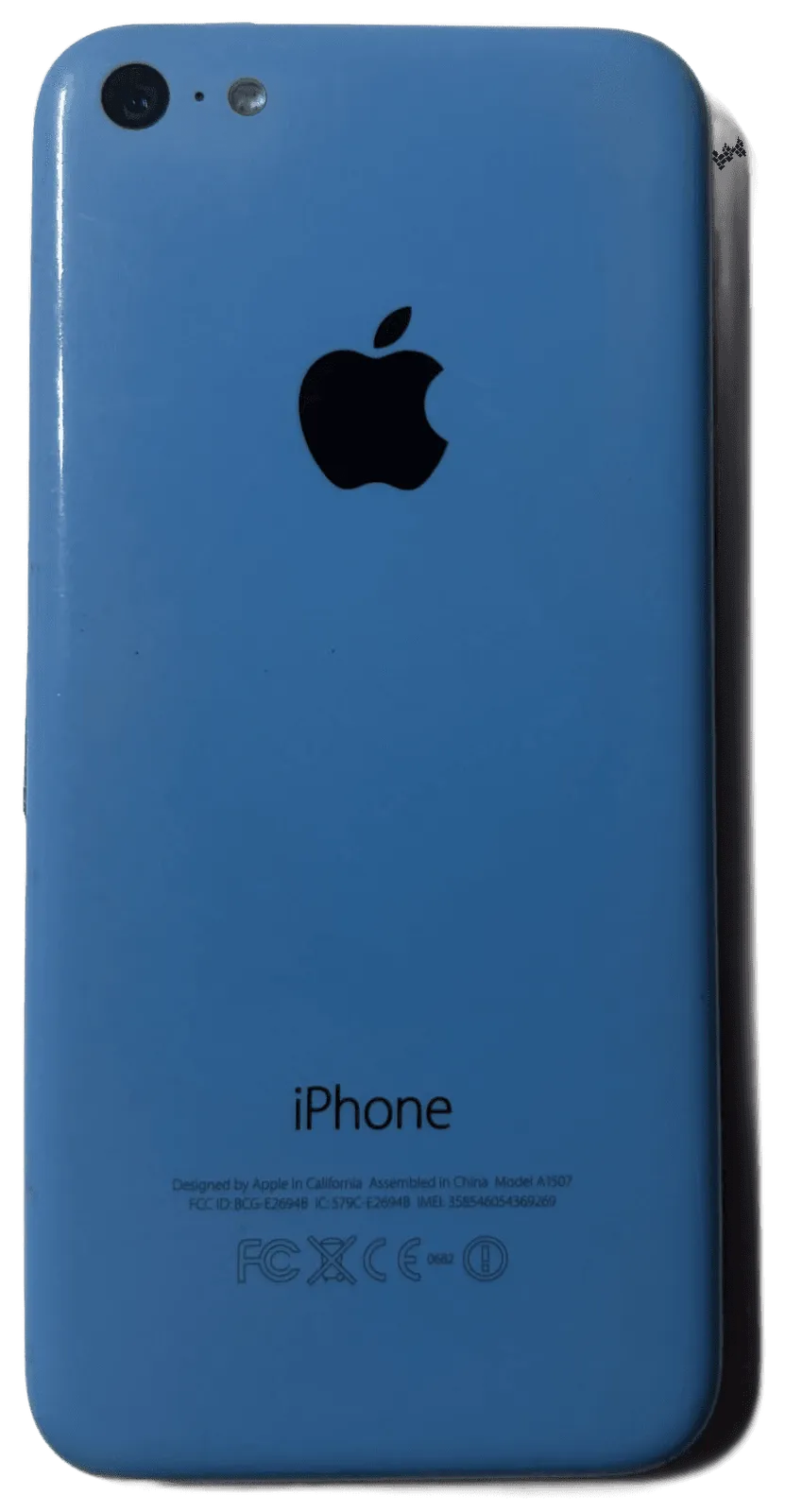 20135c
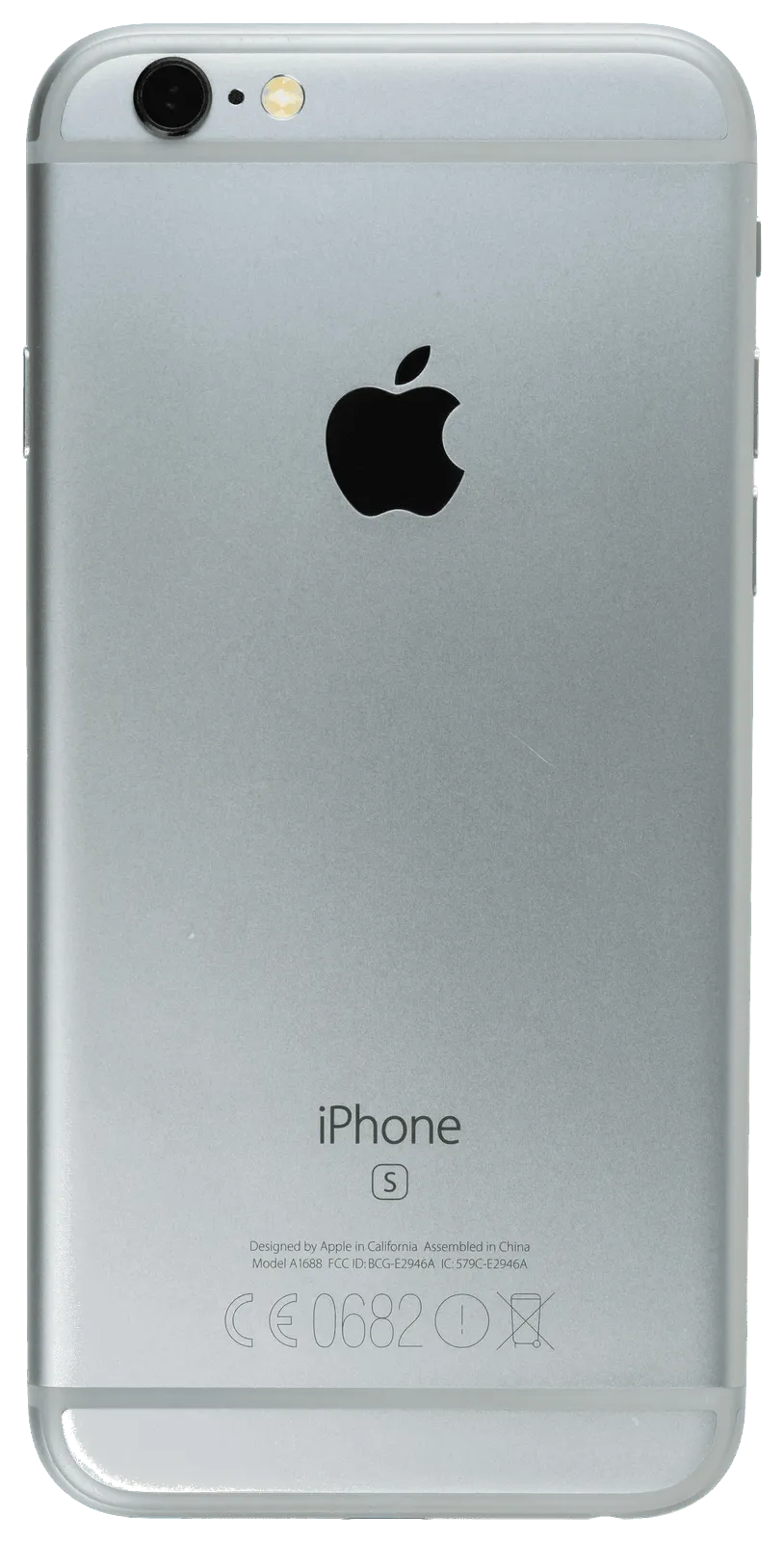 20156s
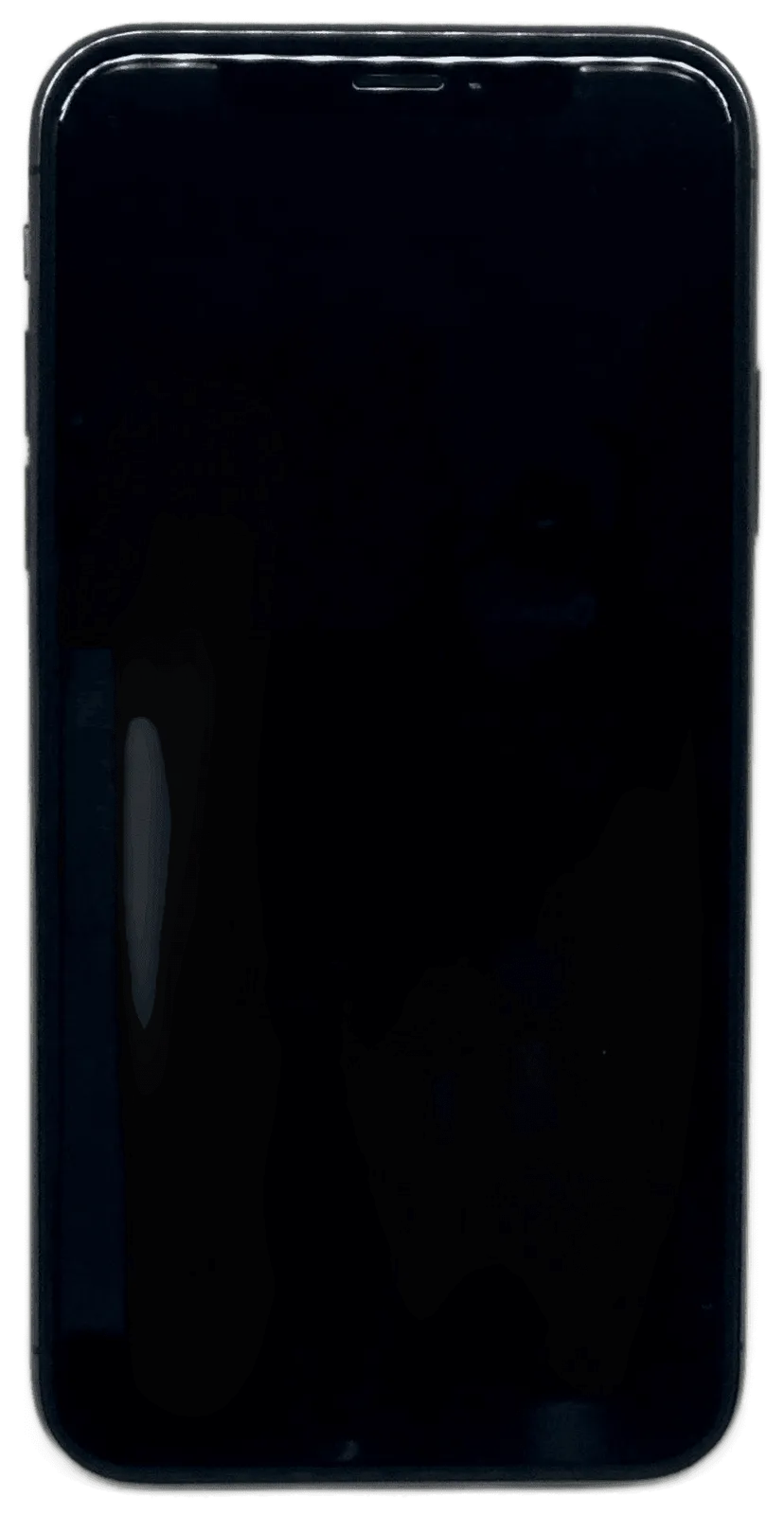 2017X
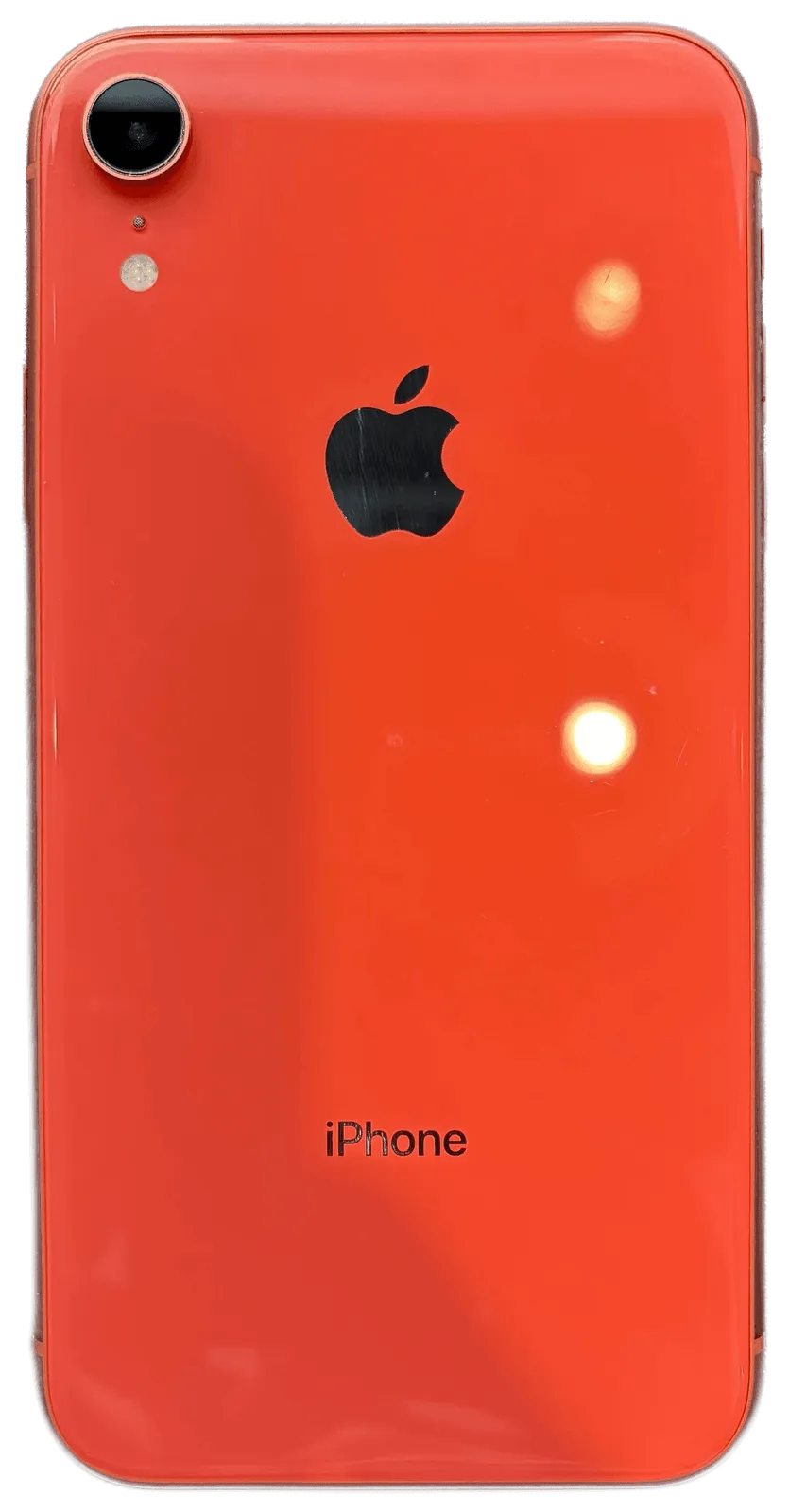 2018XR
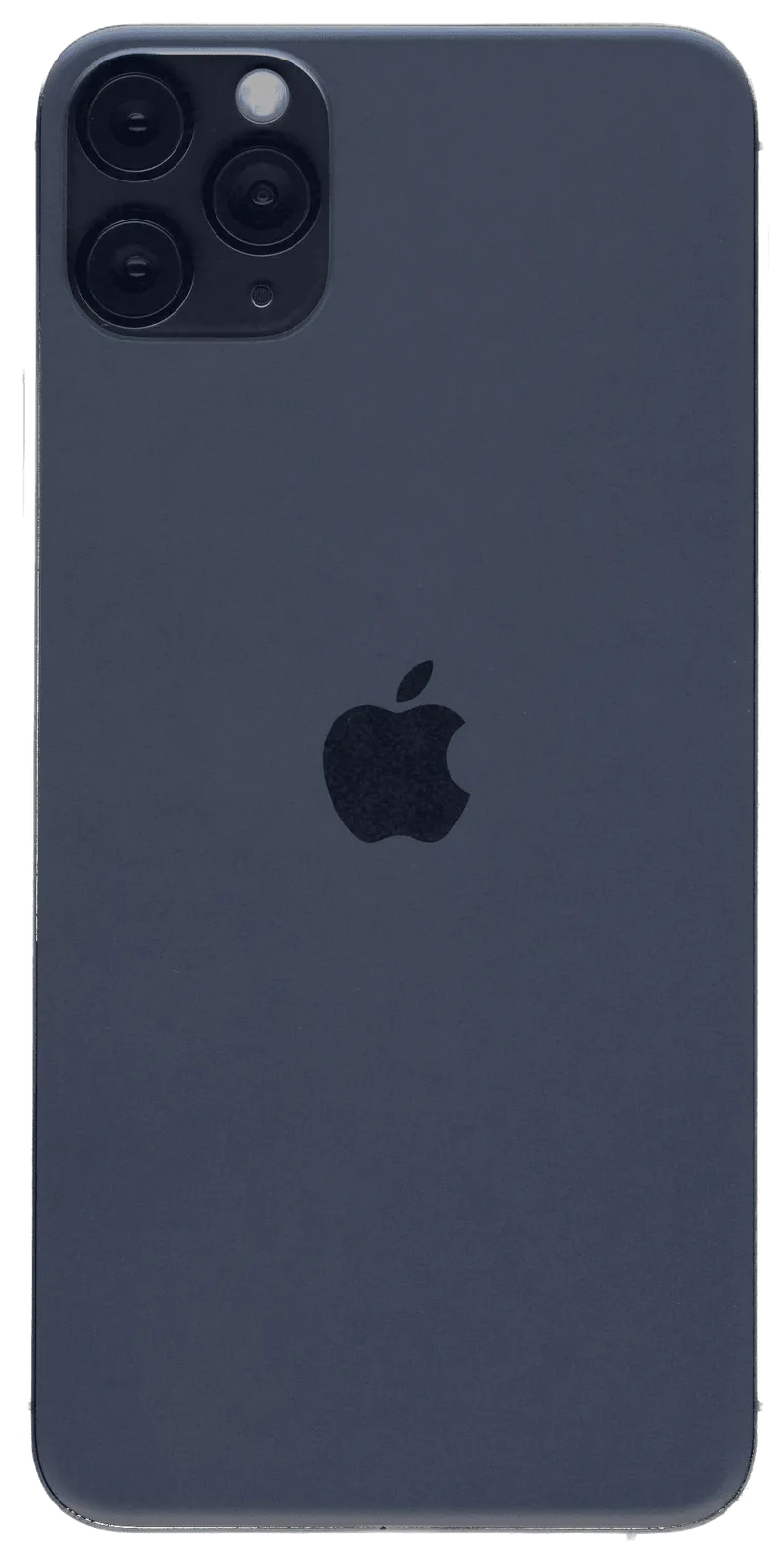 201911 Pro Max
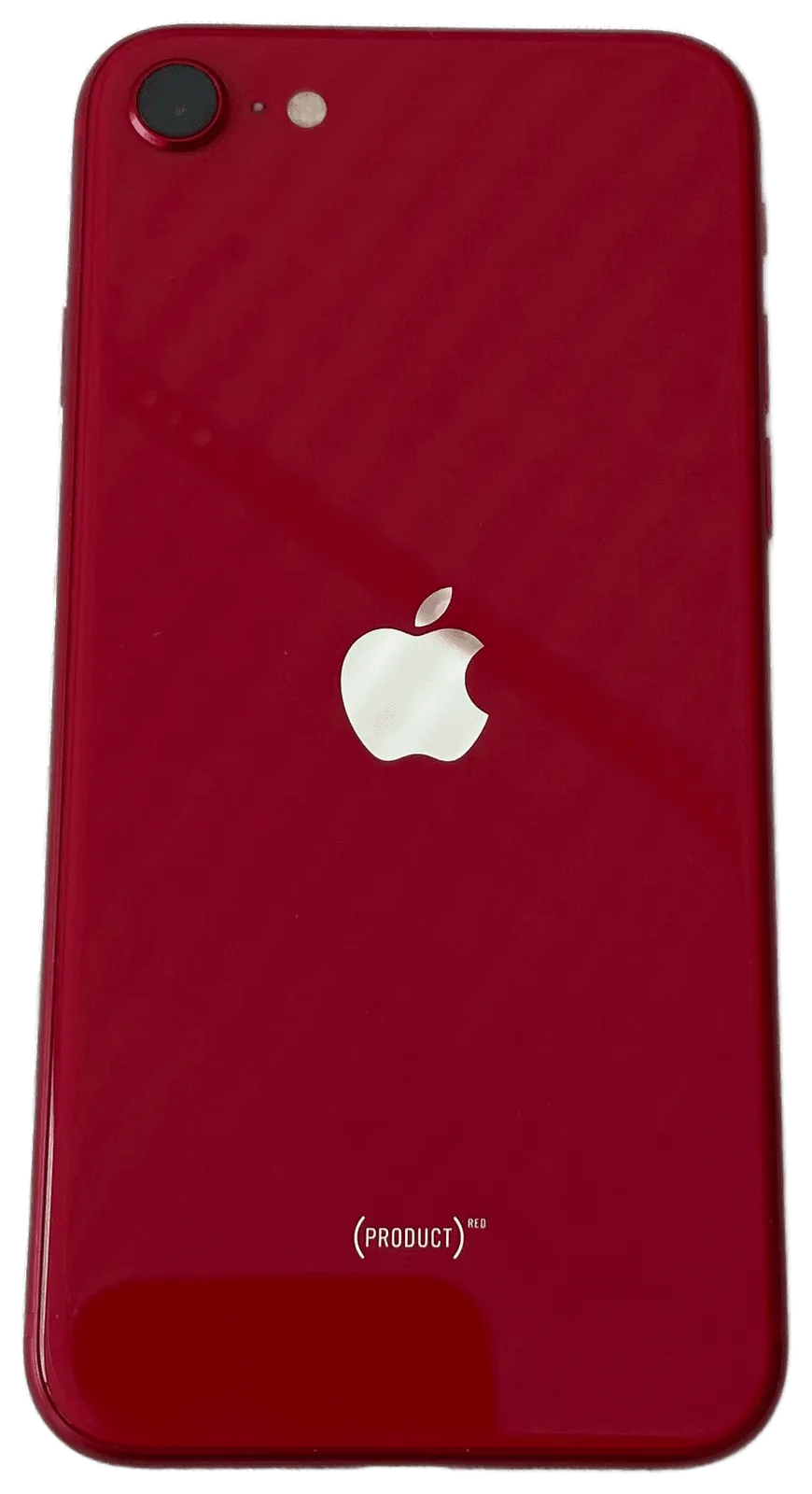 2020SE (2nd)
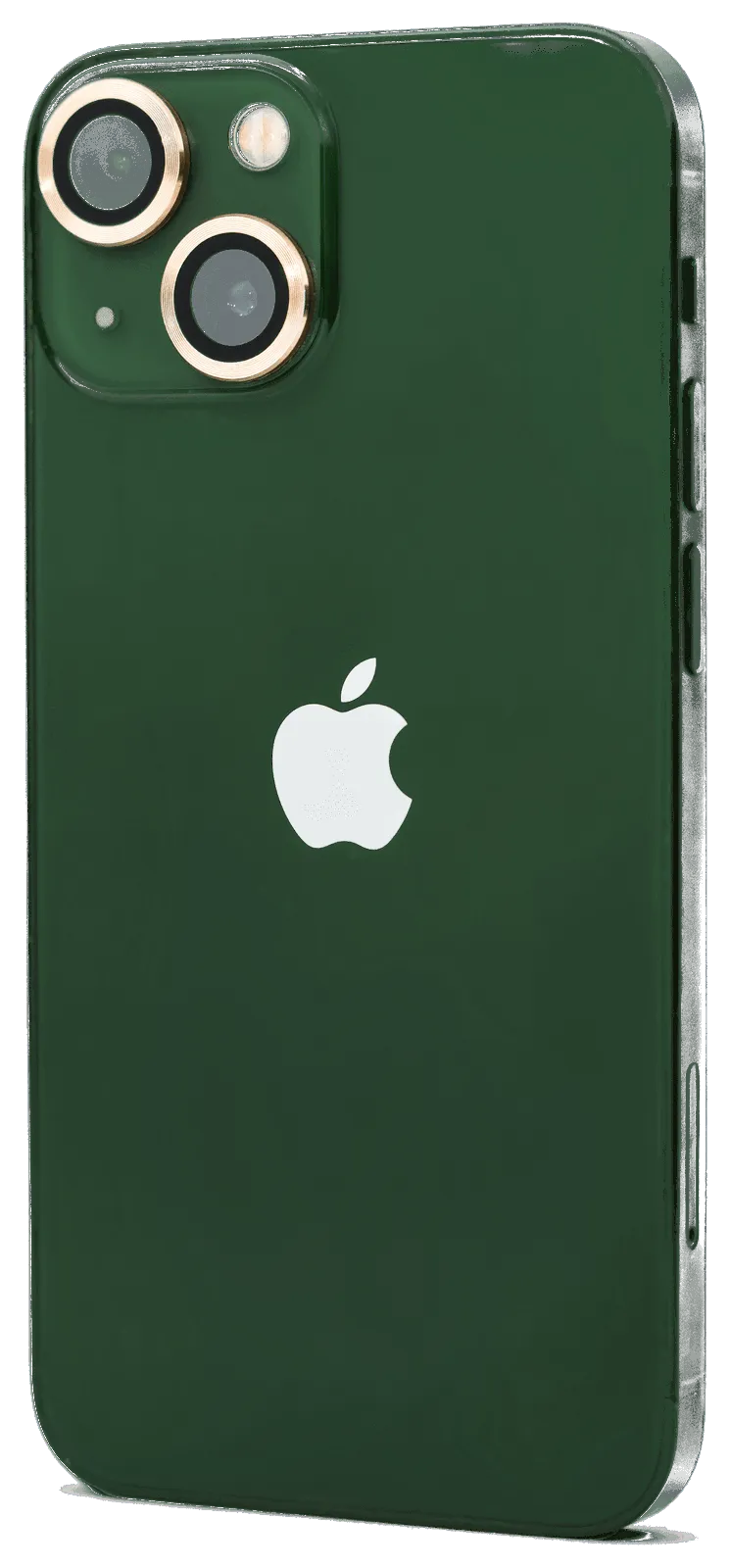 202113 mini
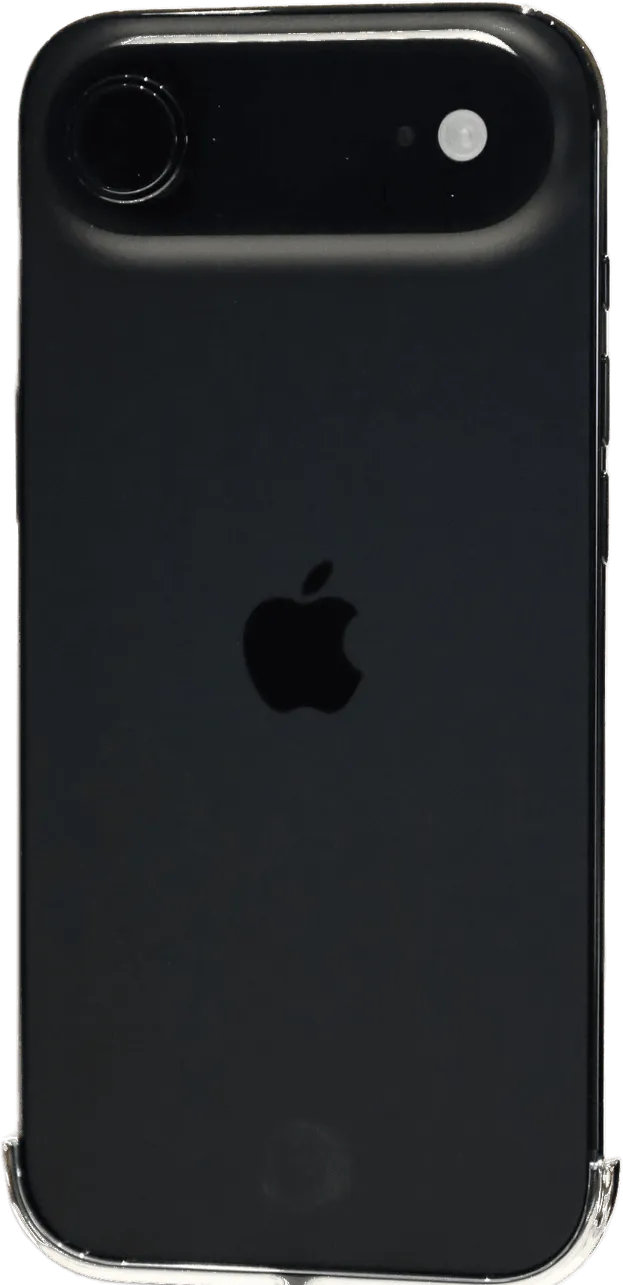 2025Air
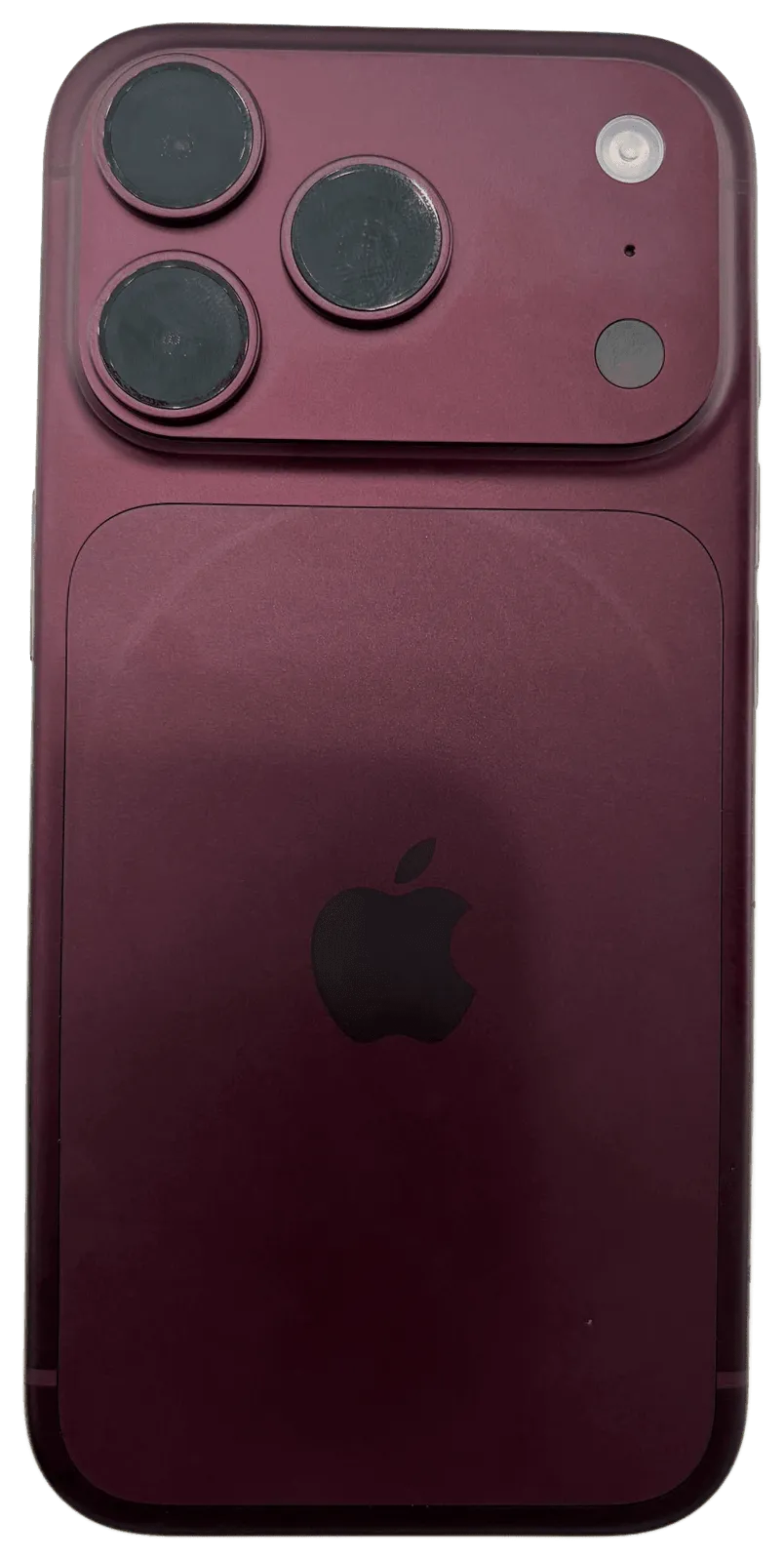 202618 Pro Max
Thirteen of the fifty-five, photographed front or back and drawn at their true relative heights.
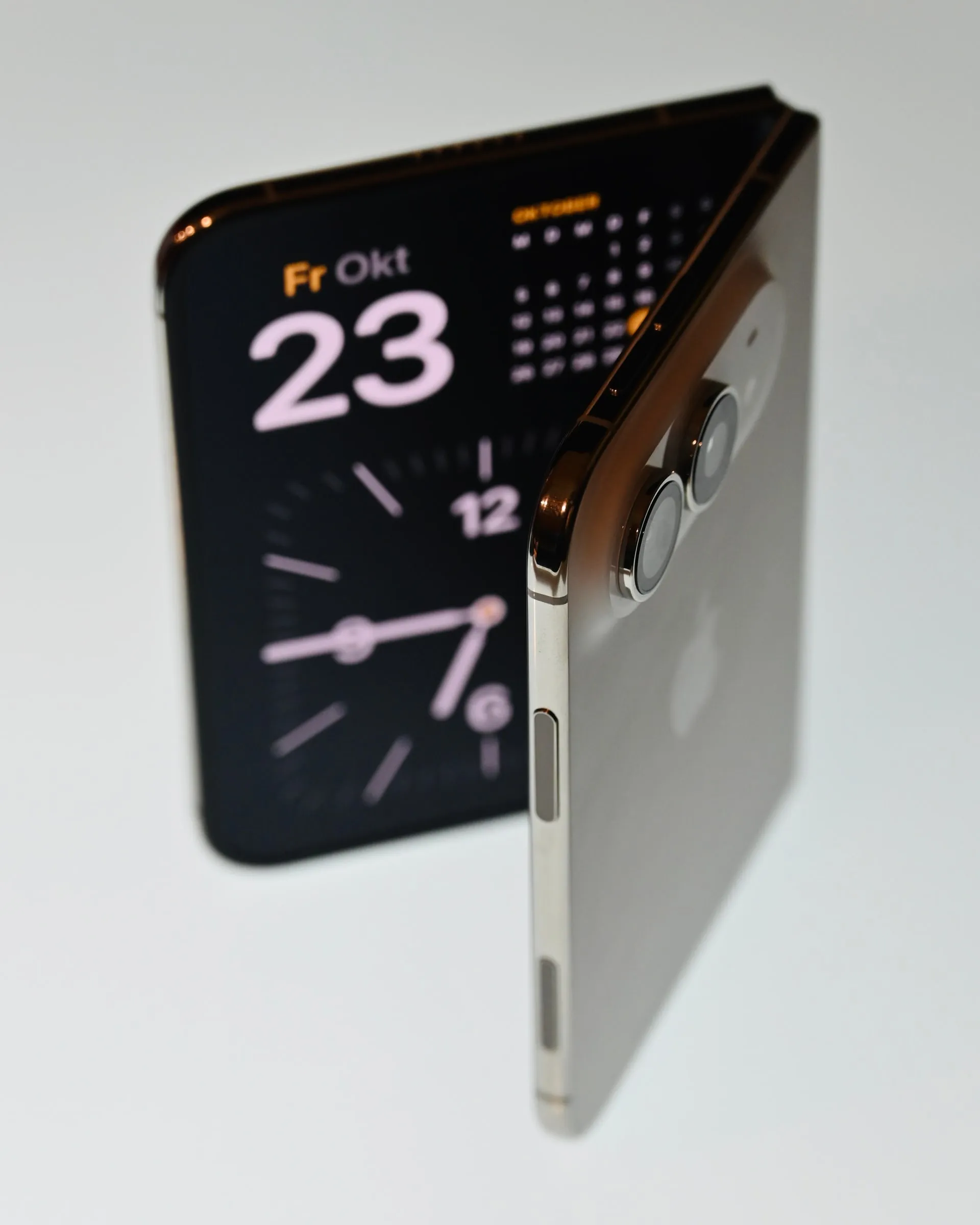
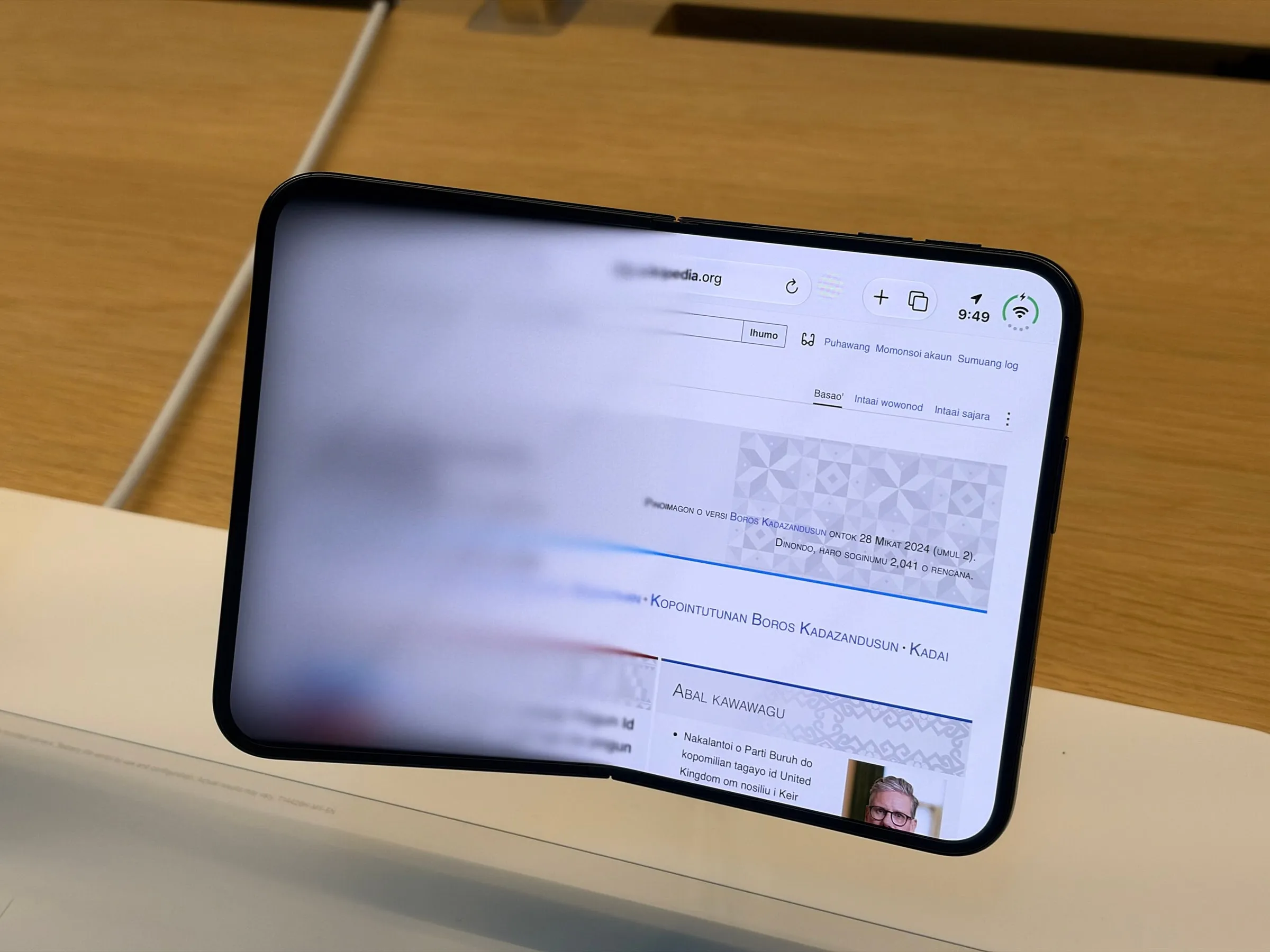
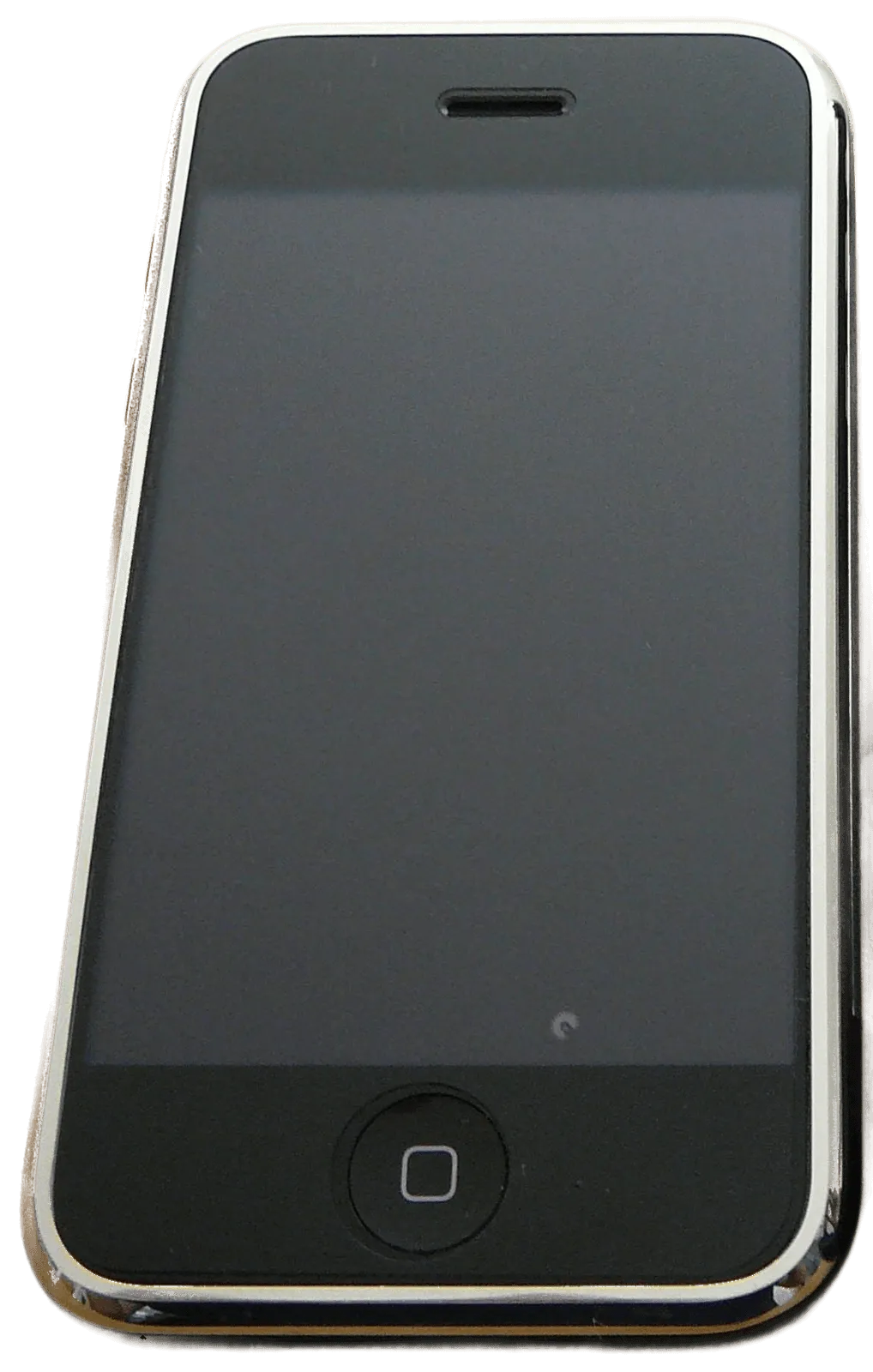
On 29 June 2007 Apple put a phone on sale that was 115 mm tall and 61 mm wide, with a 3.5-inch screen. Nineteen years and fifty-five models later, the largest slab it sells is 163.4 mm tall with a 6.9-inch screen, and its first folding phone, the iPhone Duo, opens to 7.6 inches.
Here are all of them, drawn front on at one scale.
The span
Front outlines at the same scale. Dark glass shows the screen.
June 2007 to October 2026
01 · The screen
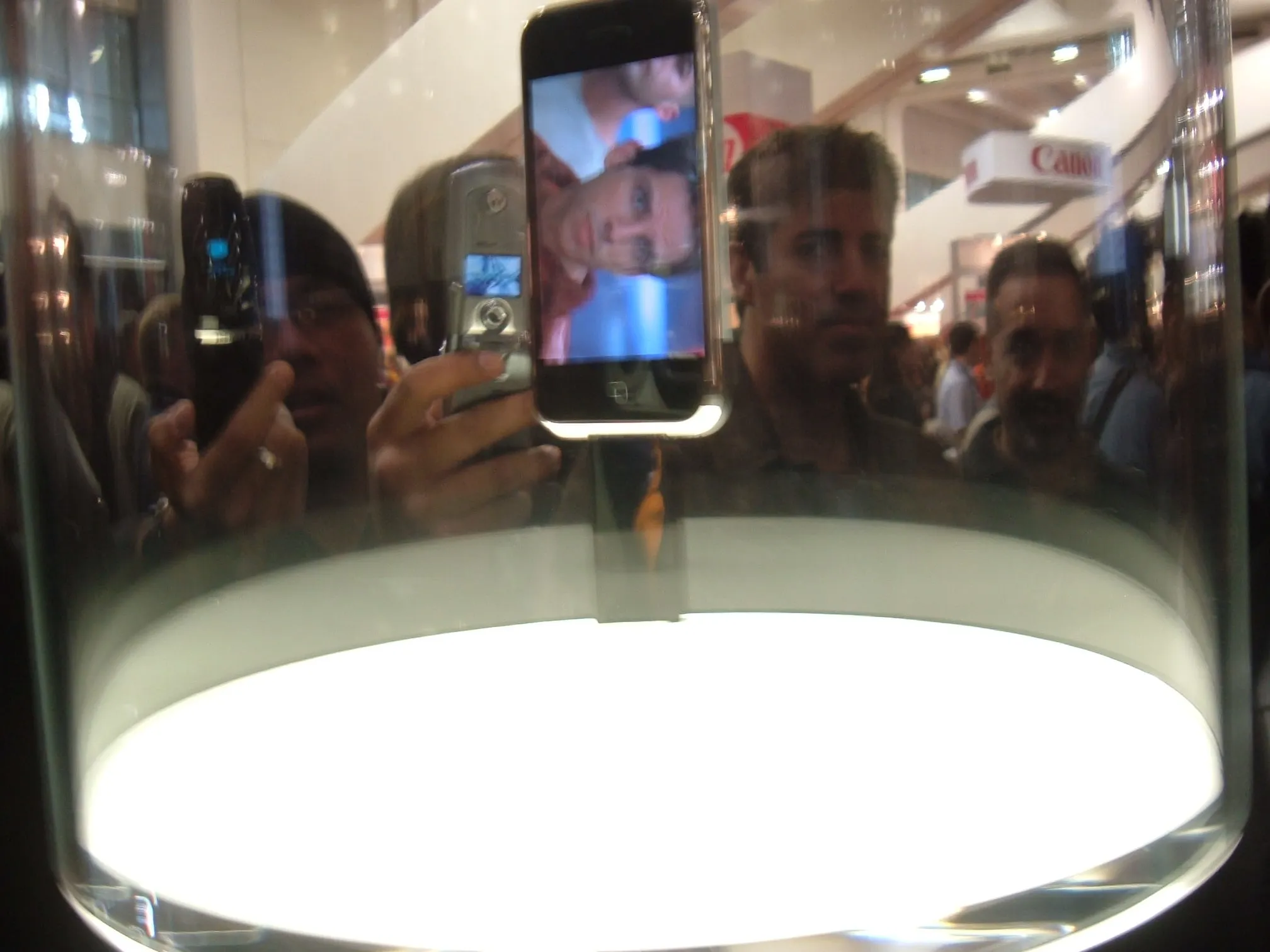
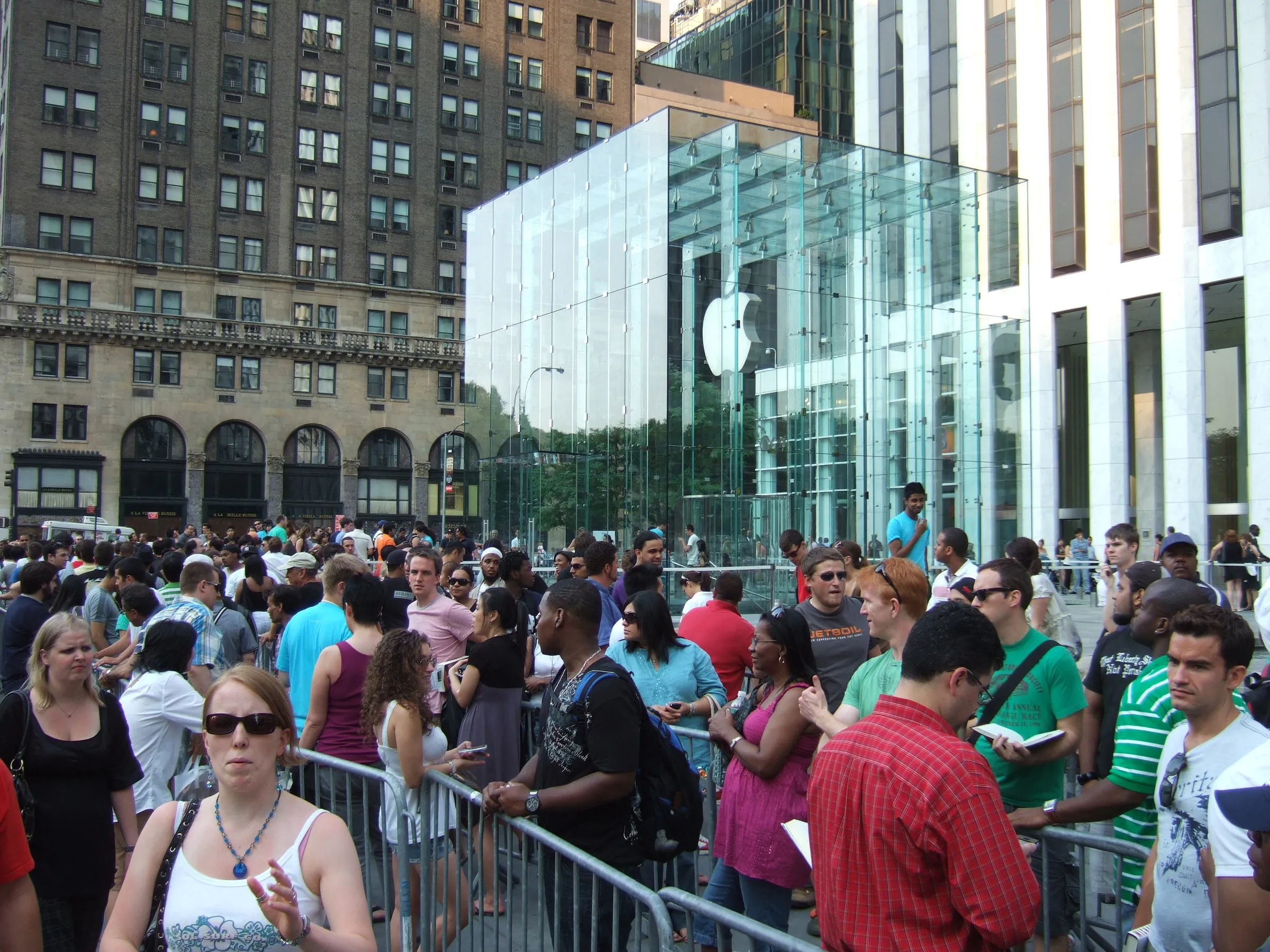
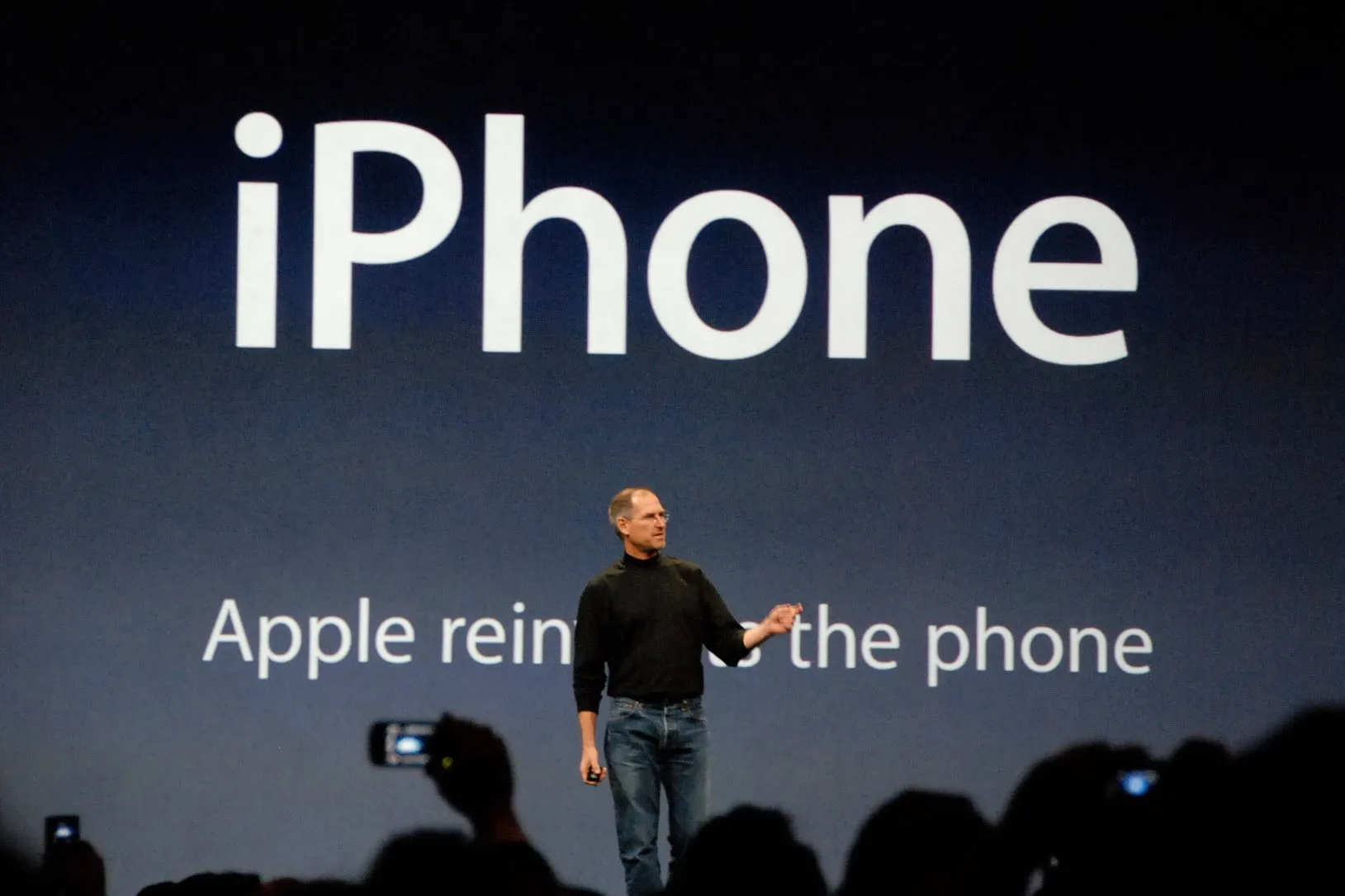
Macworld, January 2007. Blake Patterson / CC BY 2.0
The first five iPhones all had the same 3.5-inch screen. Apple changed the radio, the camera, the glass and the shape of the back, but the window you looked through stayed put from June 2007 to October 2011.
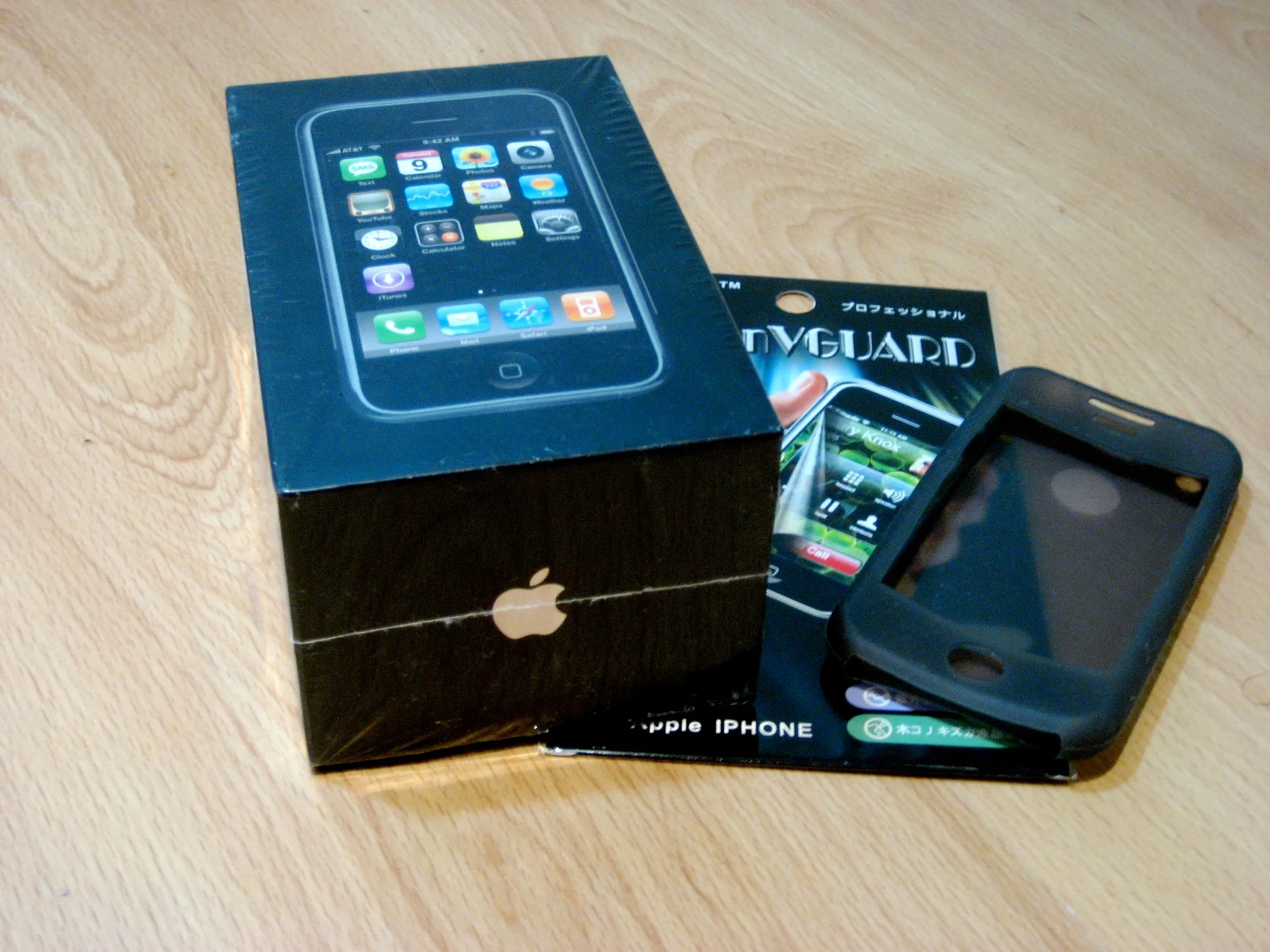
Apple announced the iPhone on 9 January 2007. It went on sale in the US on 29 June, at US$499 for 4 GB.
The iPhone 5 stretched the screen to 4 inches in 2012, mostly by making the phone taller. Two years later the iPhone 6 Plus arrived at 5.5 inches, and from then on there were always at least two sizes. The X in 2017 removed the home button and fitted a 5.8-inch screen into a body smaller than the 8 Plus.
From 2014 there was always a bigger iPhone beside the standard one.
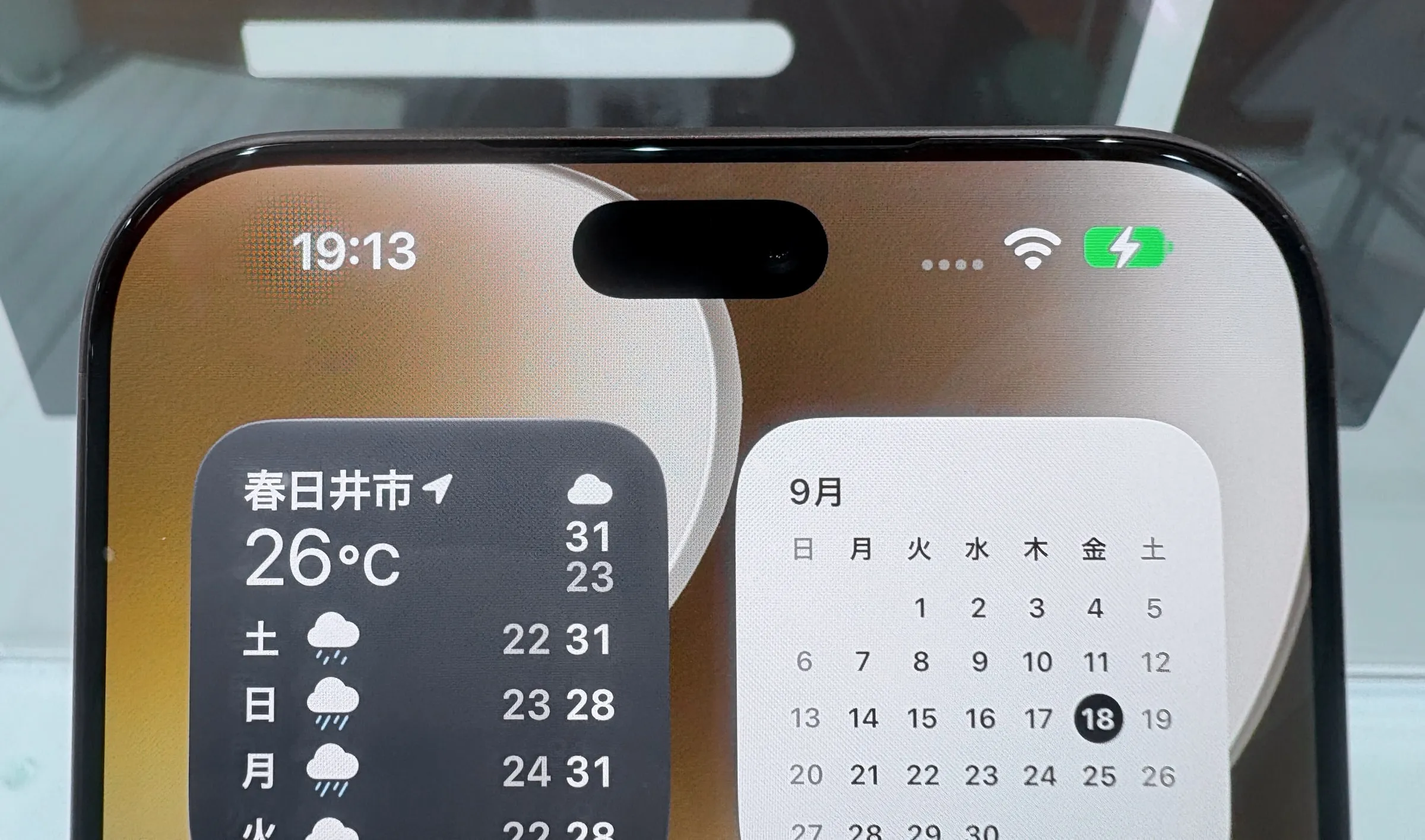
Since then the biggest screen has crept rather than leapt: 6.5 inches in 2018, 6.7 in 2020, 6.9 in 2024. The 18 Pro Max is the third Pro Max in a row at 6.9. The one larger screen Apple sells is on a hinge.
Fig. 1 · Screens
Display diagonal of every iPhone, in inches, by release date. Shading spans the smallest to the largest screen released each year.
| iPhone | 2007 | 3.5 |
|---|---|---|
| iPhone 3G | 2008 | 3.5 |
| iPhone 3GS | 2009 | 3.5 |
| iPhone 4 | 2010 | 3.5 |
| iPhone 4S | 2011 | 3.5 |
| iPhone 5 | 2012 | 4.0 |
| iPhone 5c | 2013 | 4.0 |
| iPhone 5s | 2013 | 4.0 |
| iPhone 6 | 2014 | 4.7 |
| iPhone 6 Plus | 2014 | 5.5 |
| iPhone 6s | 2015 | 4.7 |
| iPhone 6s Plus | 2015 | 5.5 |
| iPhone SE (1st gen) | 2016 | 4.0 |
| iPhone 7 | 2016 | 4.7 |
| iPhone 7 Plus | 2016 | 5.5 |
| iPhone 8 | 2017 | 4.7 |
| iPhone 8 Plus | 2017 | 5.5 |
| iPhone X | 2017 | 5.8 |
| iPhone XS | 2018 | 5.8 |
| iPhone XS Max | 2018 | 6.5 |
| iPhone XR | 2018 | 6.1 |
| iPhone 11 | 2019 | 6.1 |
| iPhone 11 Pro | 2019 | 5.8 |
| iPhone 11 Pro Max | 2019 | 6.5 |
| iPhone SE (2nd gen) | 2020 | 4.7 |
| iPhone 12 | 2020 | 6.1 |
| iPhone 12 Pro | 2020 | 6.1 |
| iPhone 12 mini | 2020 | 5.4 |
| iPhone 12 Pro Max | 2020 | 6.7 |
| iPhone 13 mini | 2021 | 5.4 |
| iPhone 13 | 2021 | 6.1 |
| iPhone 13 Pro | 2021 | 6.1 |
| iPhone 13 Pro Max | 2021 | 6.7 |
| iPhone SE (3rd gen) | 2022 | 4.7 |
| iPhone 14 | 2022 | 6.1 |
| iPhone 14 Pro | 2022 | 6.1 |
| iPhone 14 Pro Max | 2022 | 6.7 |
| iPhone 14 Plus | 2022 | 6.7 |
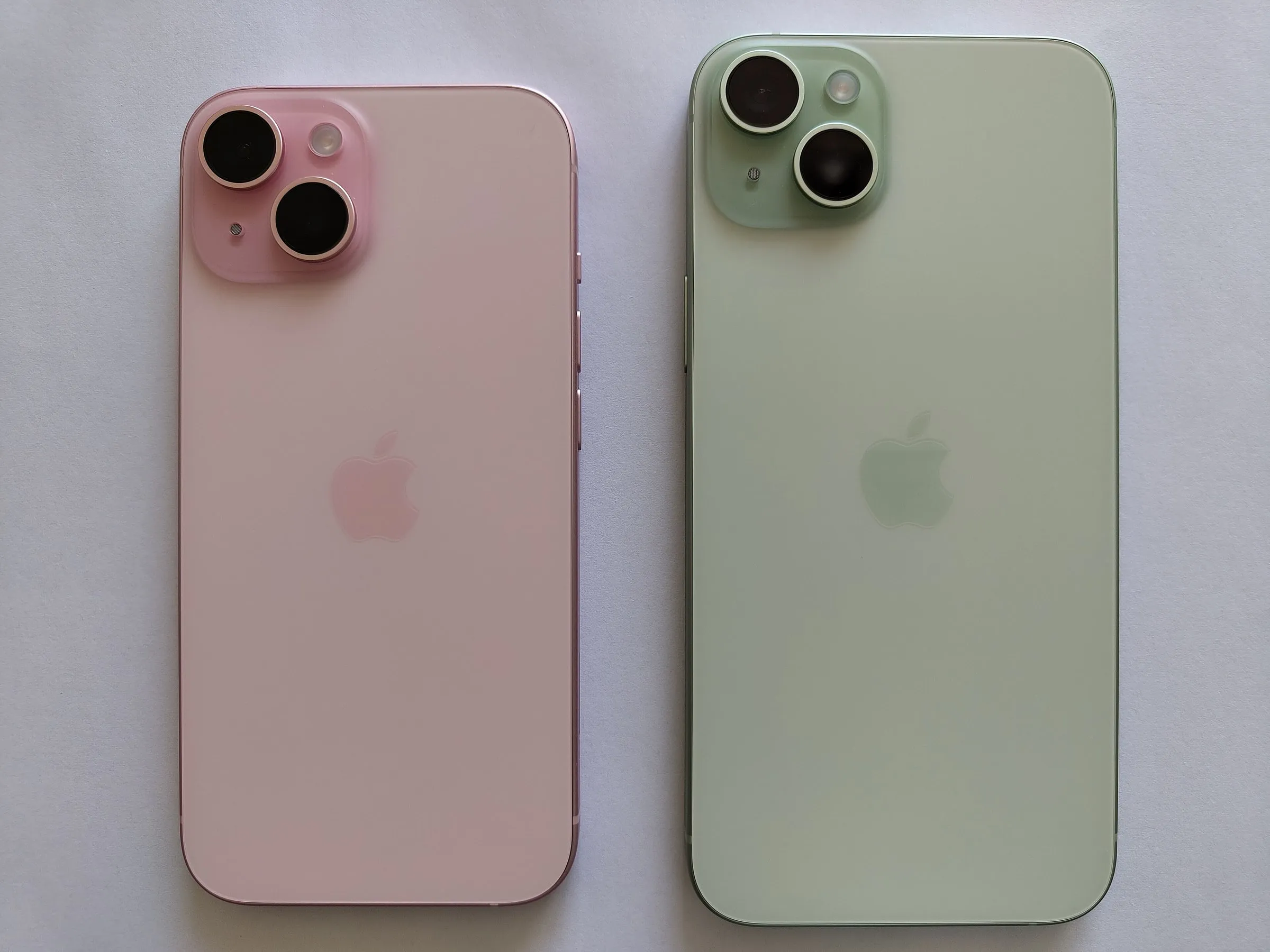
| iPhone 15 | 2023 | 6.1 |
| iPhone 15 Plus | 2023 | 6.7 |
| iPhone 15 Pro | 2023 | 6.1 |
| iPhone 15 Pro Max | 2023 | 6.7 |
| iPhone 16 | 2024 | 6.1 |
| iPhone 16 Plus | 2024 | 6.7 |
| iPhone 16 Pro | 2024 | 6.3 |
| iPhone 16 Pro Max | 2024 | 6.9 |
| iPhone 16e | 2025 | 6.1 |
| iPhone 17 | 2025 | 6.3 |
| iPhone Air | 2025 | 6.5 |
| iPhone 17 Pro | 2025 | 6.3 |
| iPhone 17 Pro Max | 2025 | 6.9 |
| iPhone 17e | 2026 | 6.1 |
| iPhone 18 Pro | 2026 | 6.3 |
| iPhone 18 Pro Max | 2026 | 6.9 |
| iPhone Duo | 2026 | 7.6 / 5.4 |
02 · The shelf
Lay every outline over the others on one base line and the years read like the rings of a tree.
2007
2008–2012
2013–2014
2015–2017
2018–2020
2021–2026
Here is every model again, front on, in the order it went on sale, on one shelf. Hover or tab through them for the specifications.
Fig. 2 · The shelf
Every model in US launch order, front outlines at one scale. The Duo is drawn folded.
iPhone
Announced on 9 January, on sale on 29 June, on a compulsory two-year AT&T plan. In September 2026 dollars that is about US$807.
Dan Taylor / CC BY 2.0
iPhone 3G
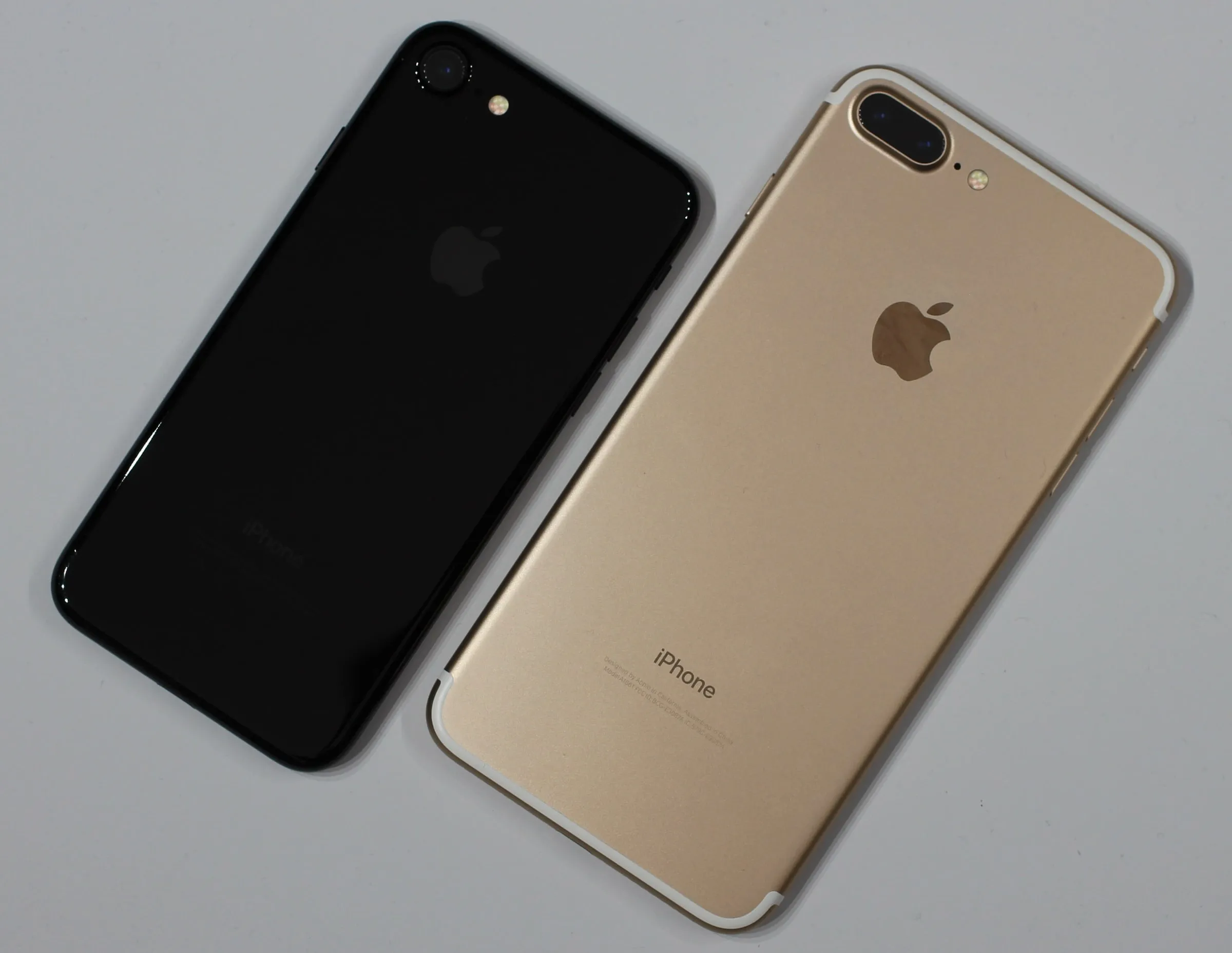
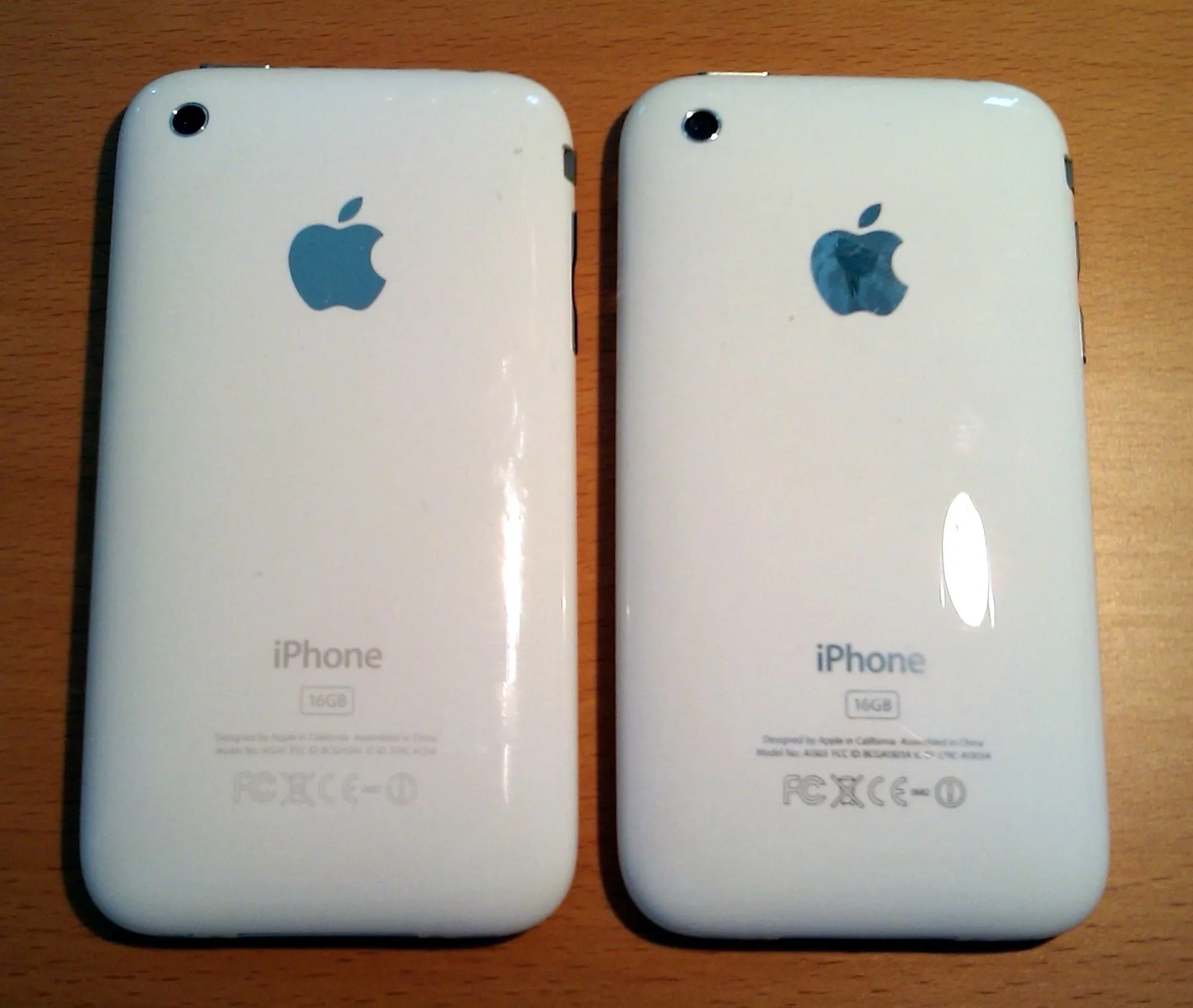
The 3G and 3GS, with their curved plastic backs, measured 12.3 mm. In the US they were sold only on a two-year contract, at US$199.
Feureau / CC BY-SA 3.0
iPhone 4
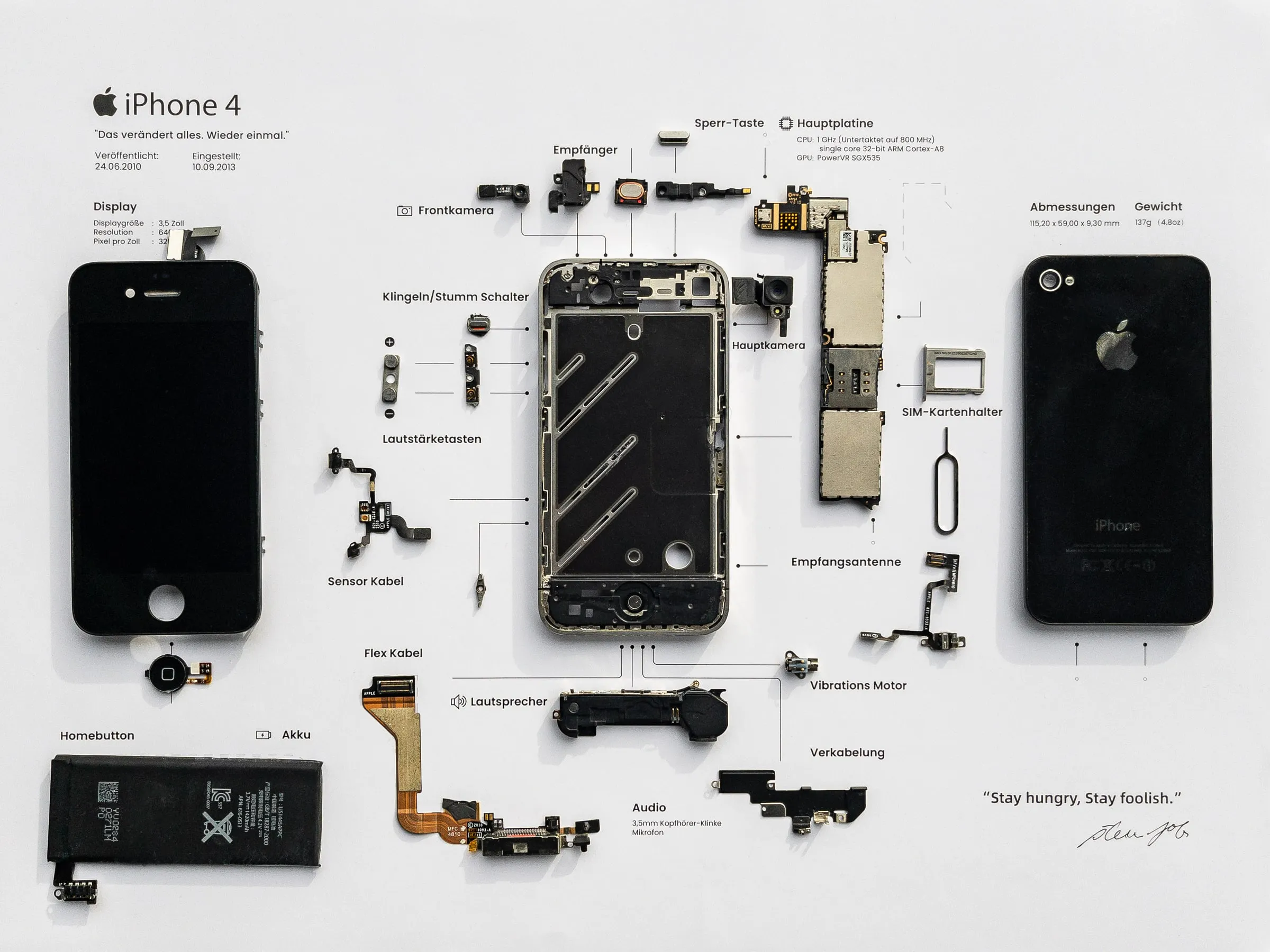
Apple changed the radio, the camera, the glass and the shape of the back. The 3.5-inch screen stayed put from June 2007 to October 2011.
K2025 / CC0
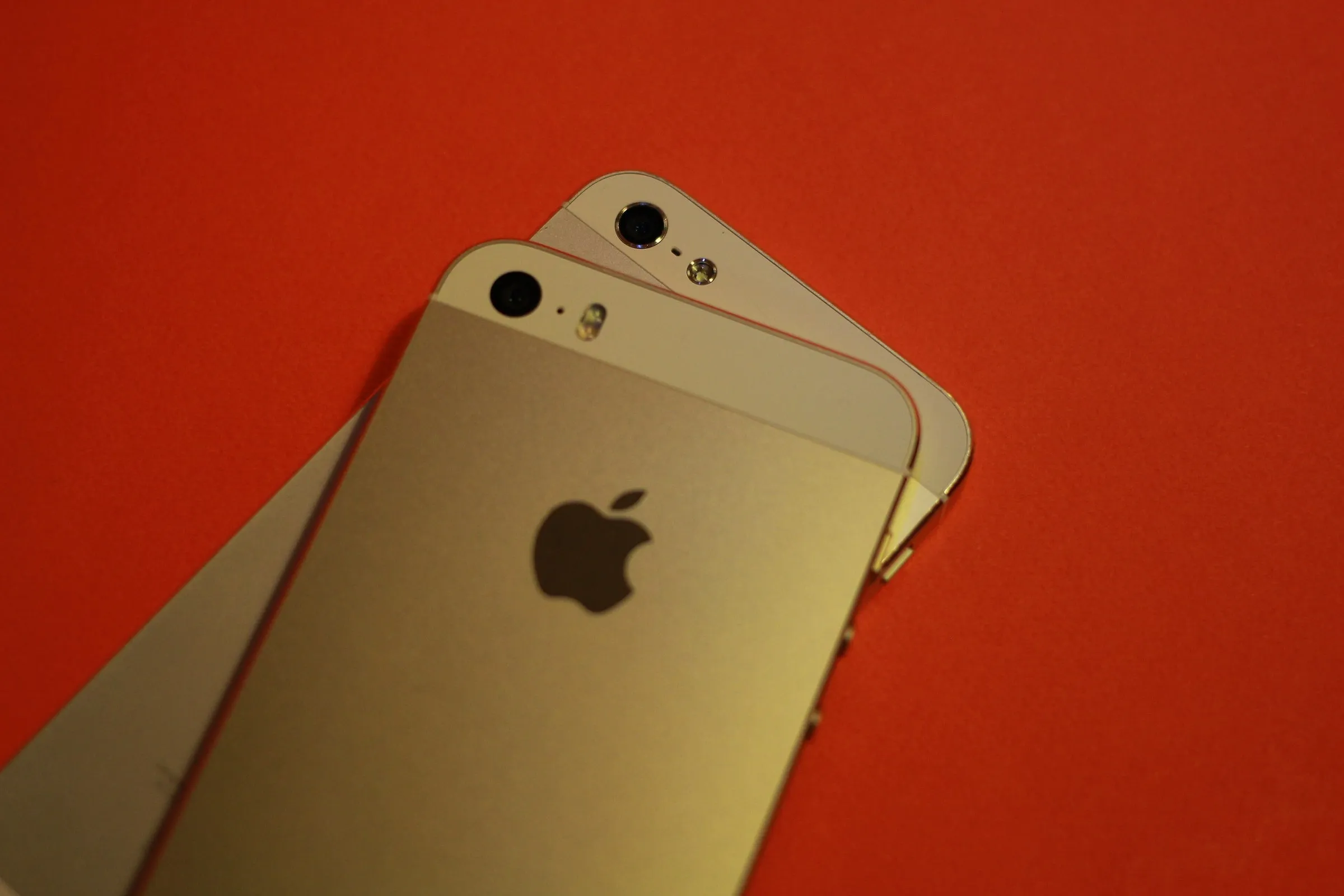
iPhone 5s
The iPhone 5 stretched the screen to 4 inches in 2012, mostly by growing taller. The 5 and 5s are the lightest iPhones, at 112 g.
Raimond Spekking / CC BY-SA 4.0
iPhone 5c
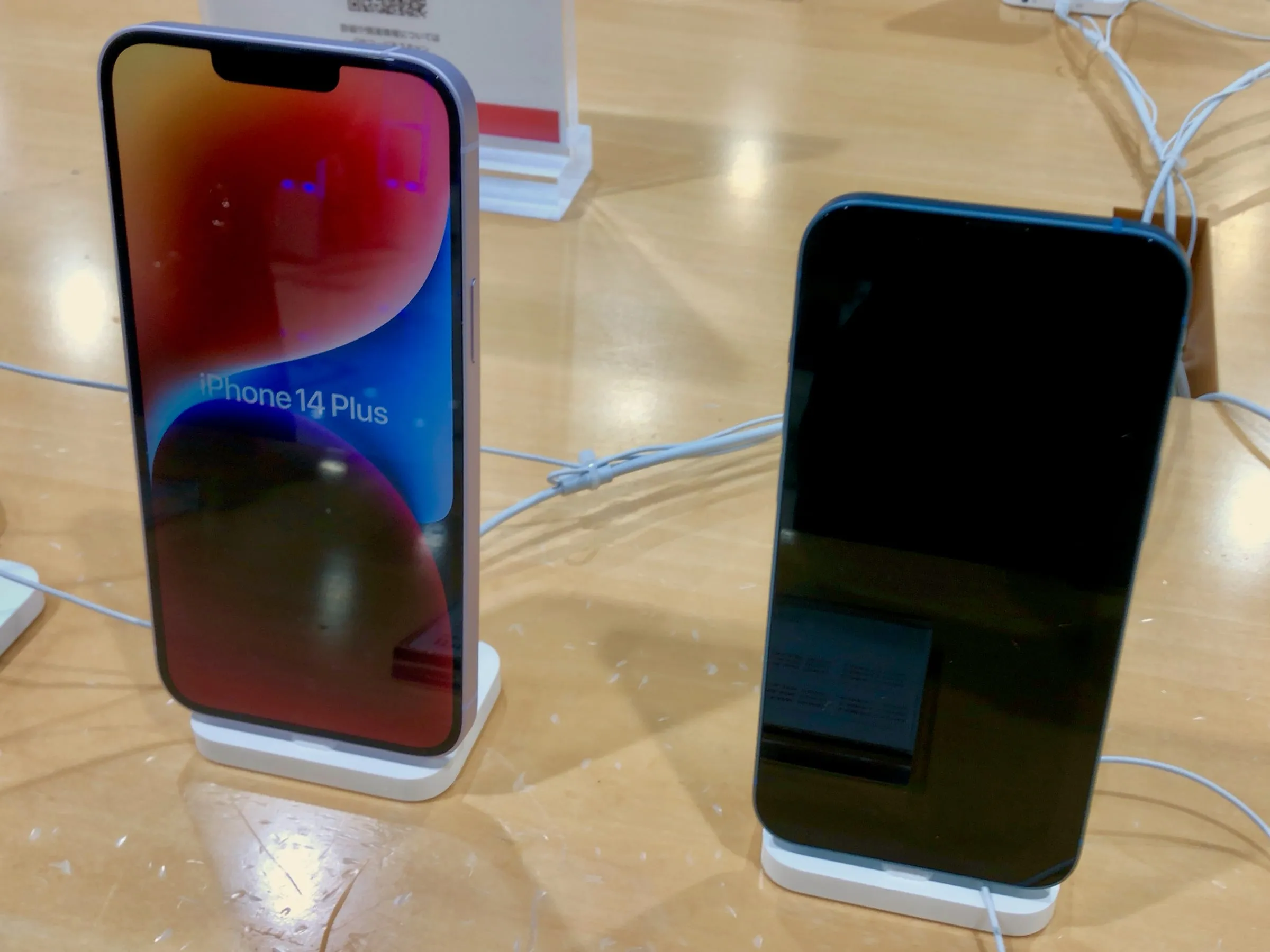
After six years of one new iPhone a year, the 5c joined the 5s.
K2025 / CC0
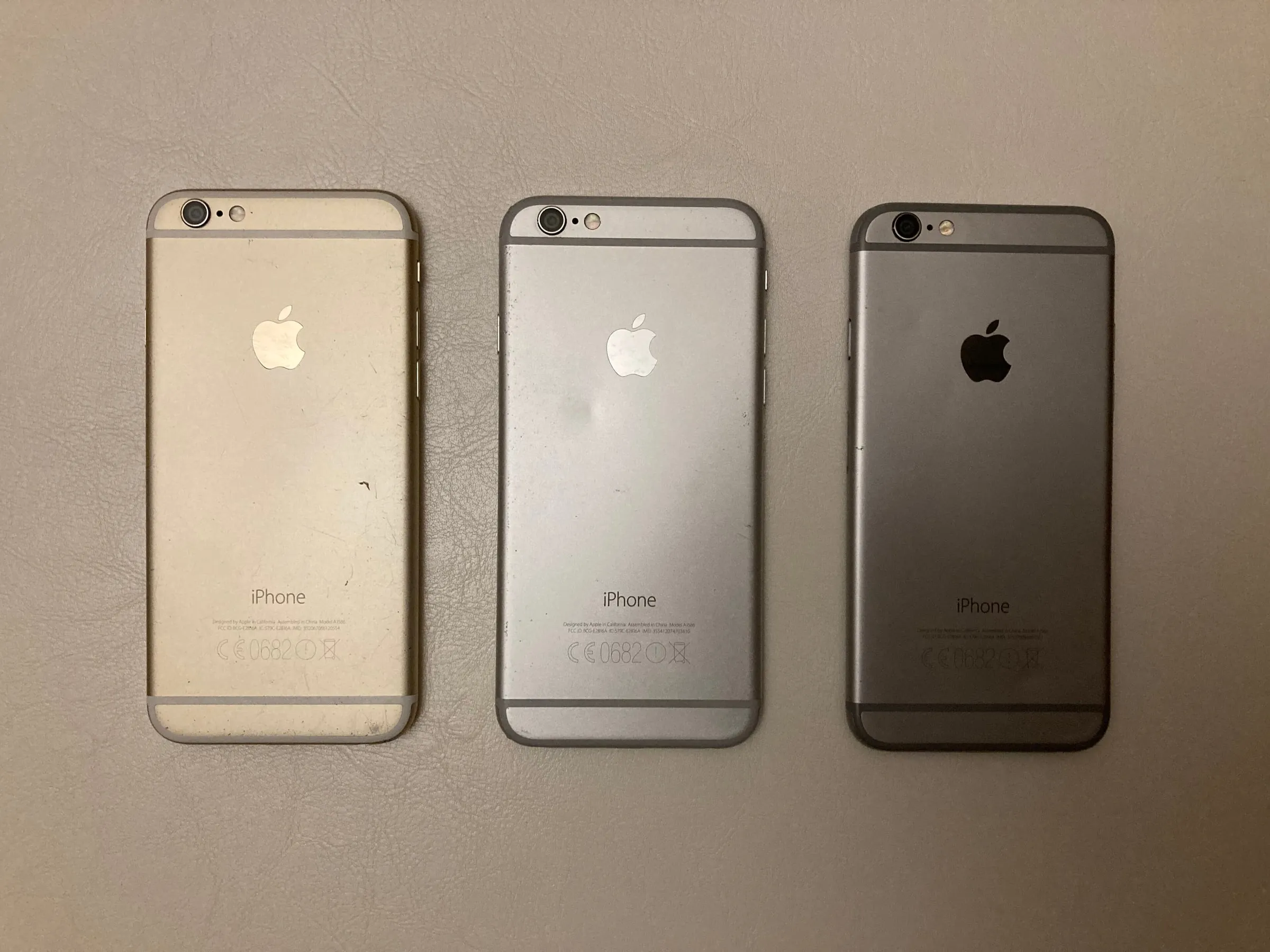
iPhone 6s
The 6 and 6 Plus of 2014 brought 4.7 and 5.5 inches, and from then on there were always at least two sizes. The 6 was 6.9 mm thin, a record that stood for eleven years. Pictured: the 6s.
Raimond Spekking / CC BY-SA 4.0
iPhone X
A 5.8-inch screen in a body smaller than the 8 Plus: 143.6 mm tall against 158.4.
Gregory Varnum / CC BY-SA 4.0
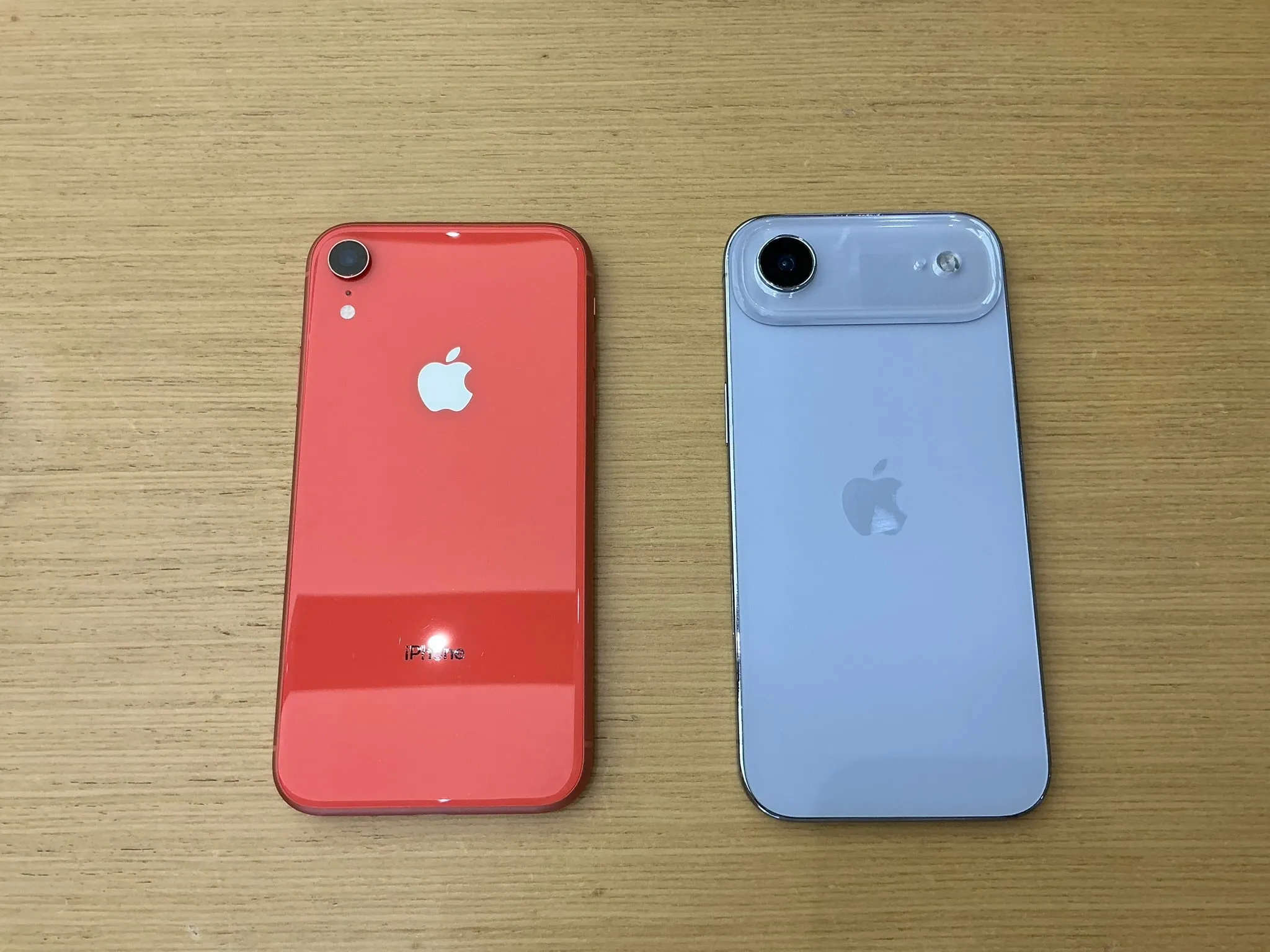
iPhone XR
The 16e and 17e that replaced the SE and the mini are 6.1 inches too, so the smallest main screen on a new iPhone is now the size of the XR’s.
茅野ふたば / CC BY-SA 4.0
iPhone SE (2nd gen)
Every budget model from the first SE in 2016 to the 17e launched at between about US$500 and US$650 in today’s money.
Seth Whales / CC BY-SA 4.0
iPhone 13 mini
The mini lasted two generations and the SE three.
DYVER / CC BY-SA 4.0
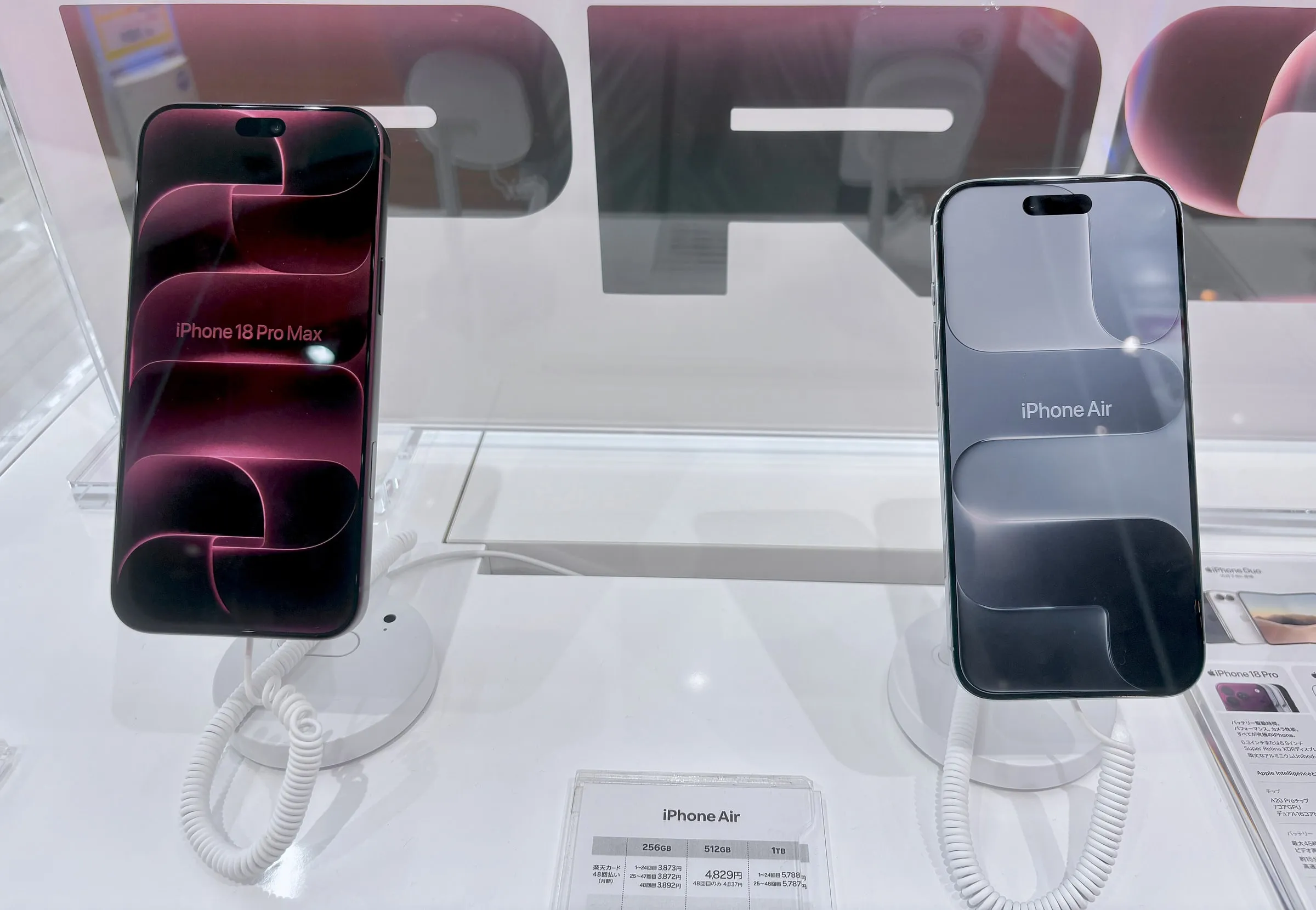
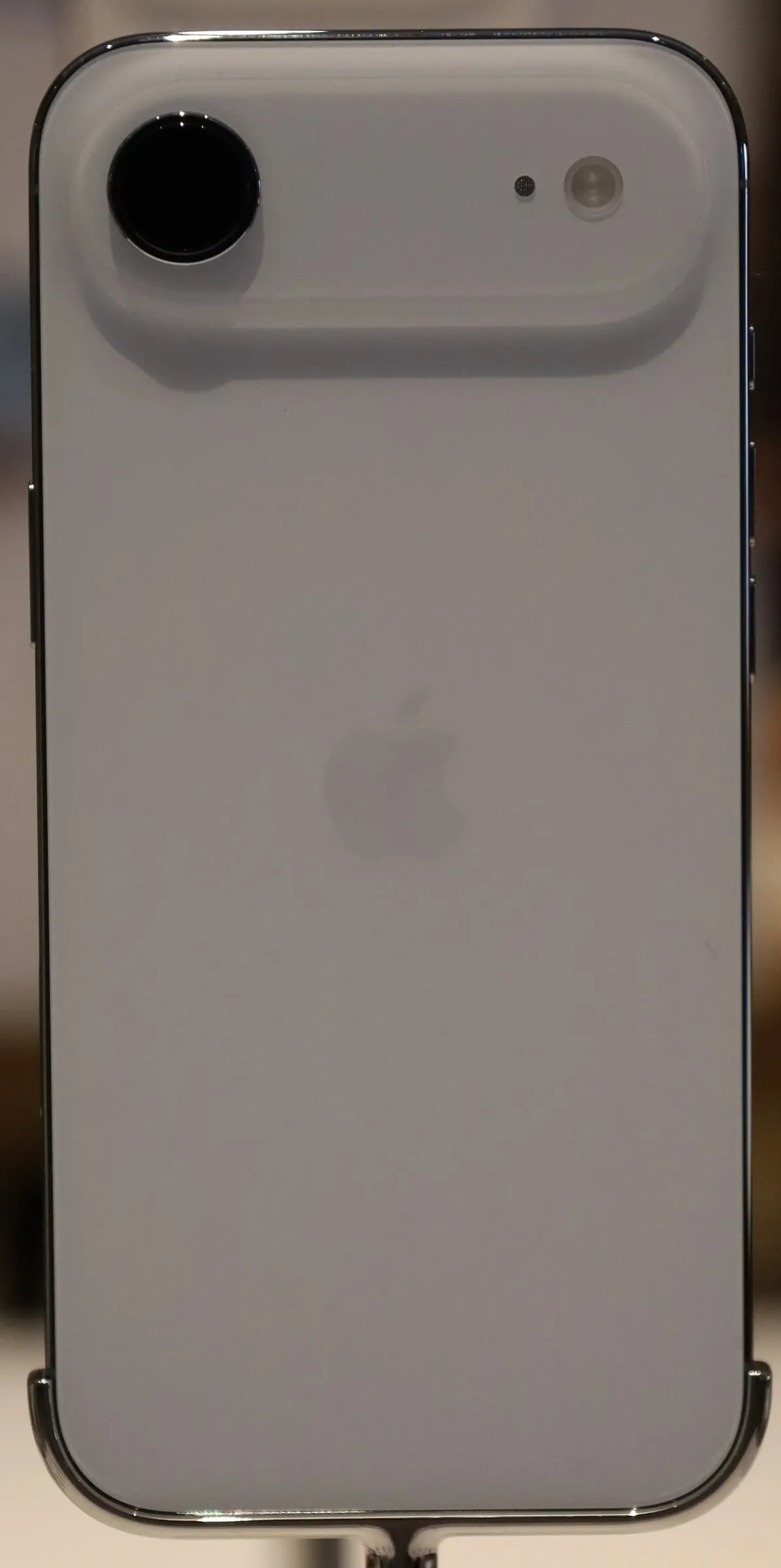
iPhone Air
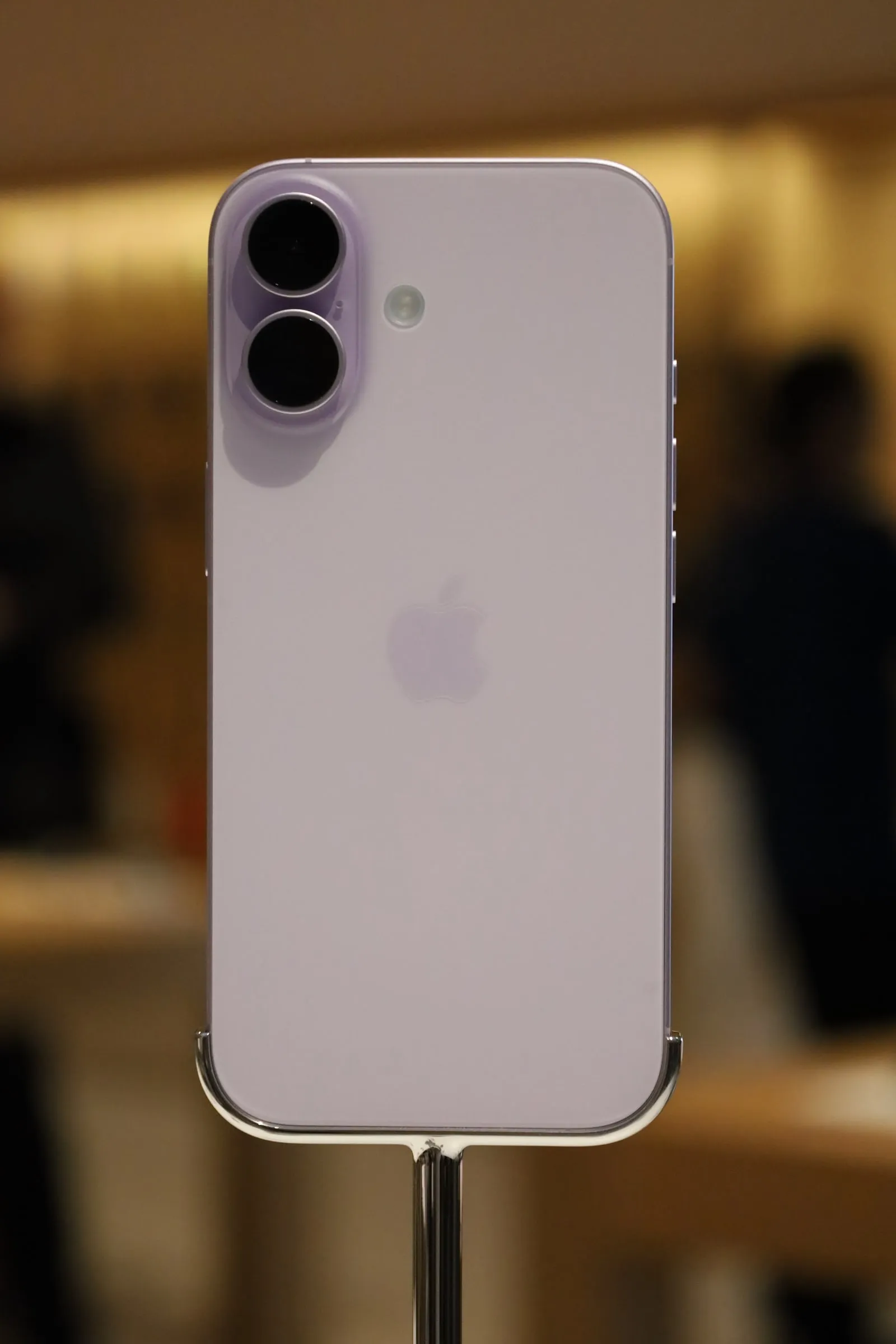
The thinnest slab iPhone. At 165 g it is lighter than the cheaper iPhone 17, and its screen is bigger.
Ahmad Ali Karim / CC0
iPhone 18 Pro Max
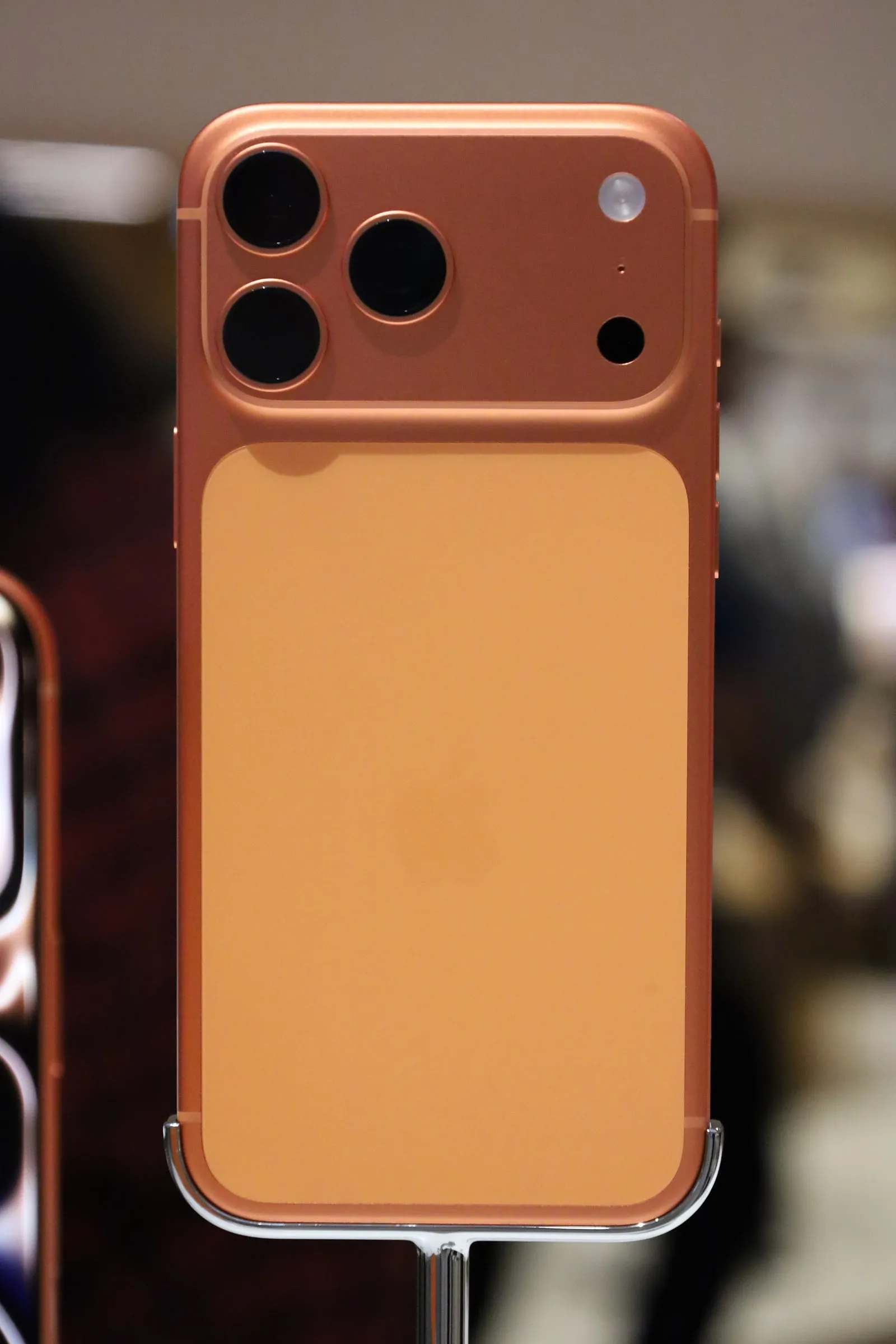
It weighs 249 g, 16 g more than the 17 Pro Max in an identical body, with a larger battery inside. It starts at US$1,299.
茅野ふたば / CC BY-SA 4.0
iPhone Duo
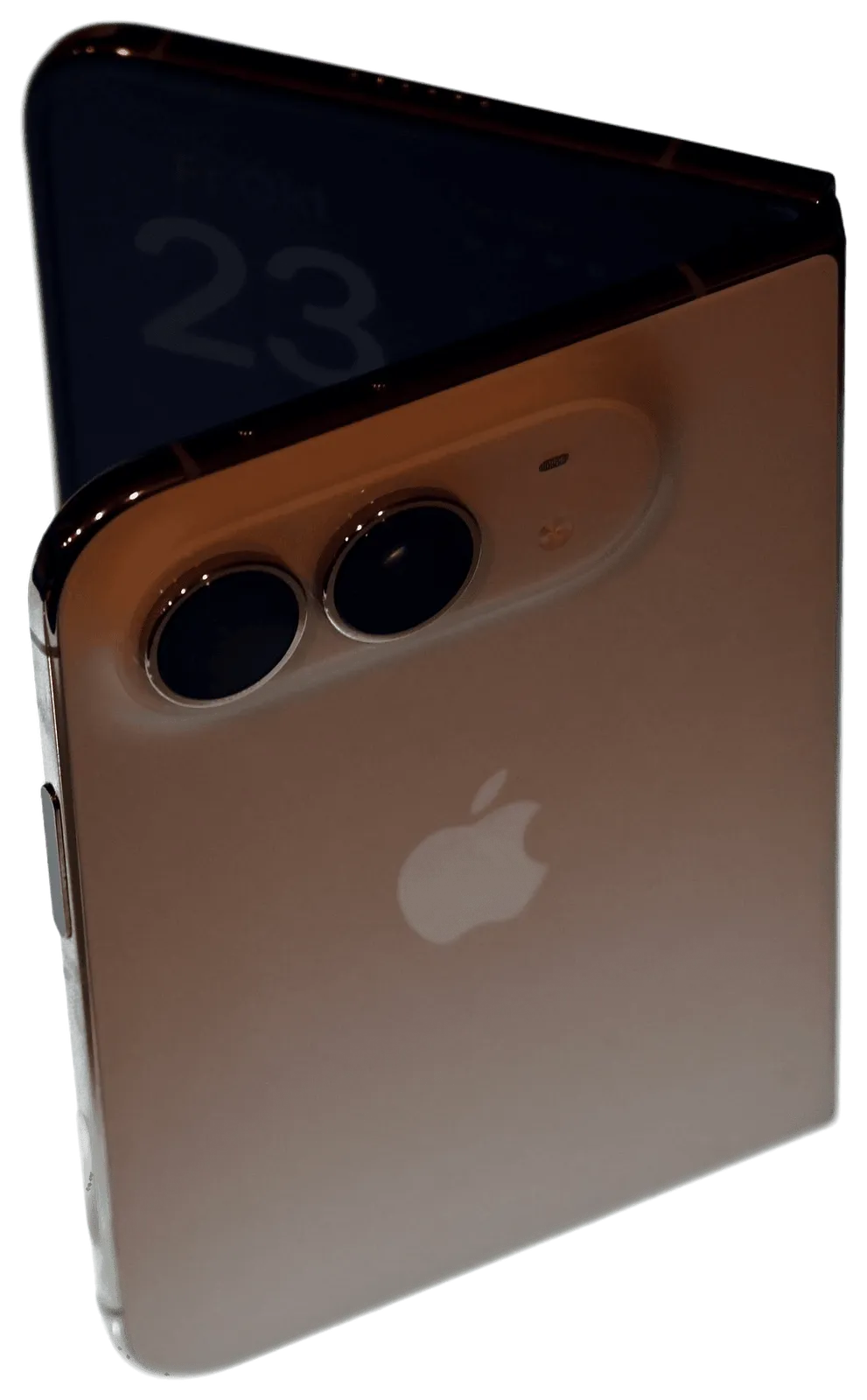
A 7.6-inch screen inside, 5.4 inches outside. 5.2 mm thin open, 11.3 mm closed, and at 254 g the heaviest iPhone yet.
SimonWaldherr / CC BY 4.0
03 · Depth and weight
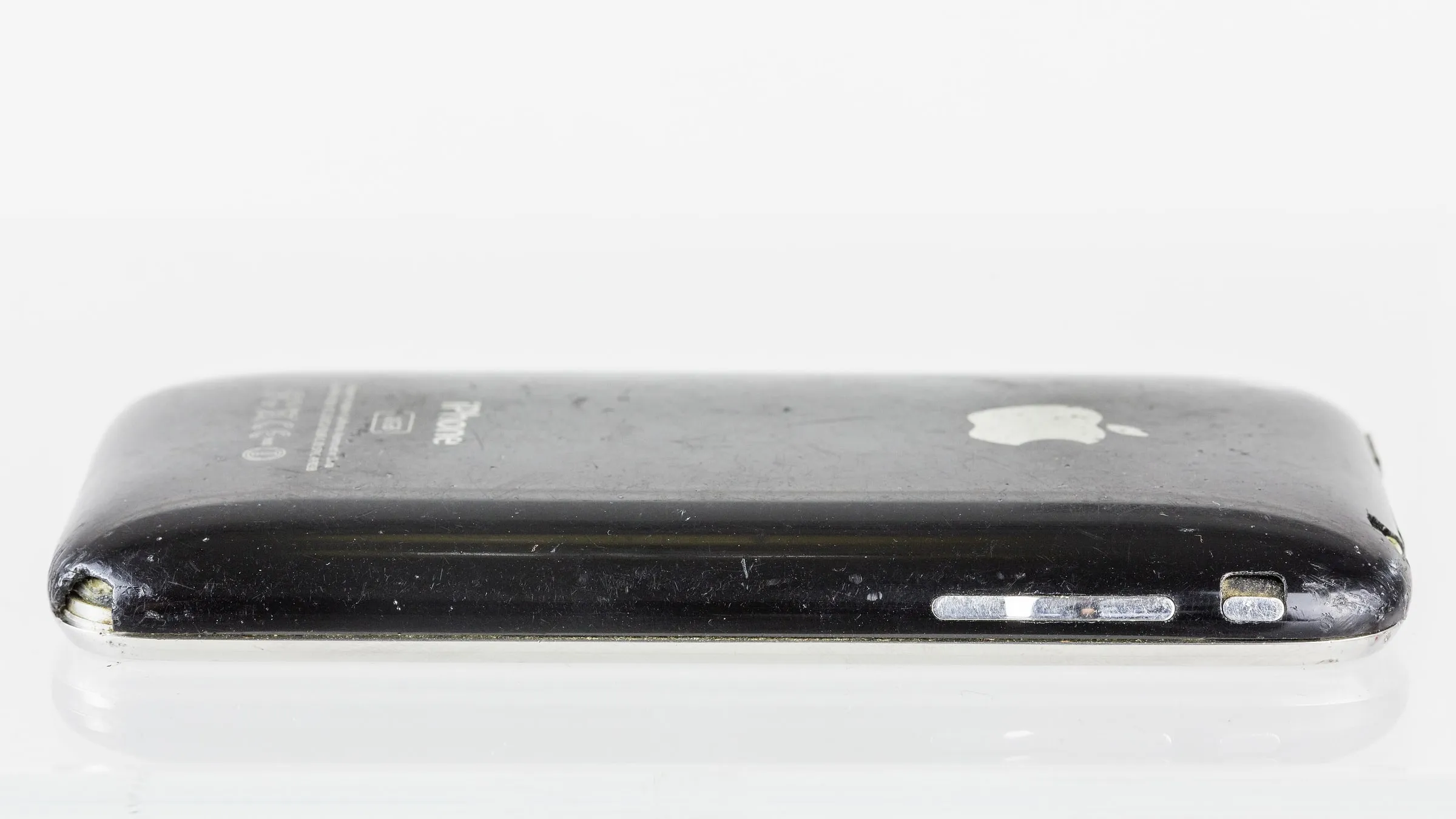
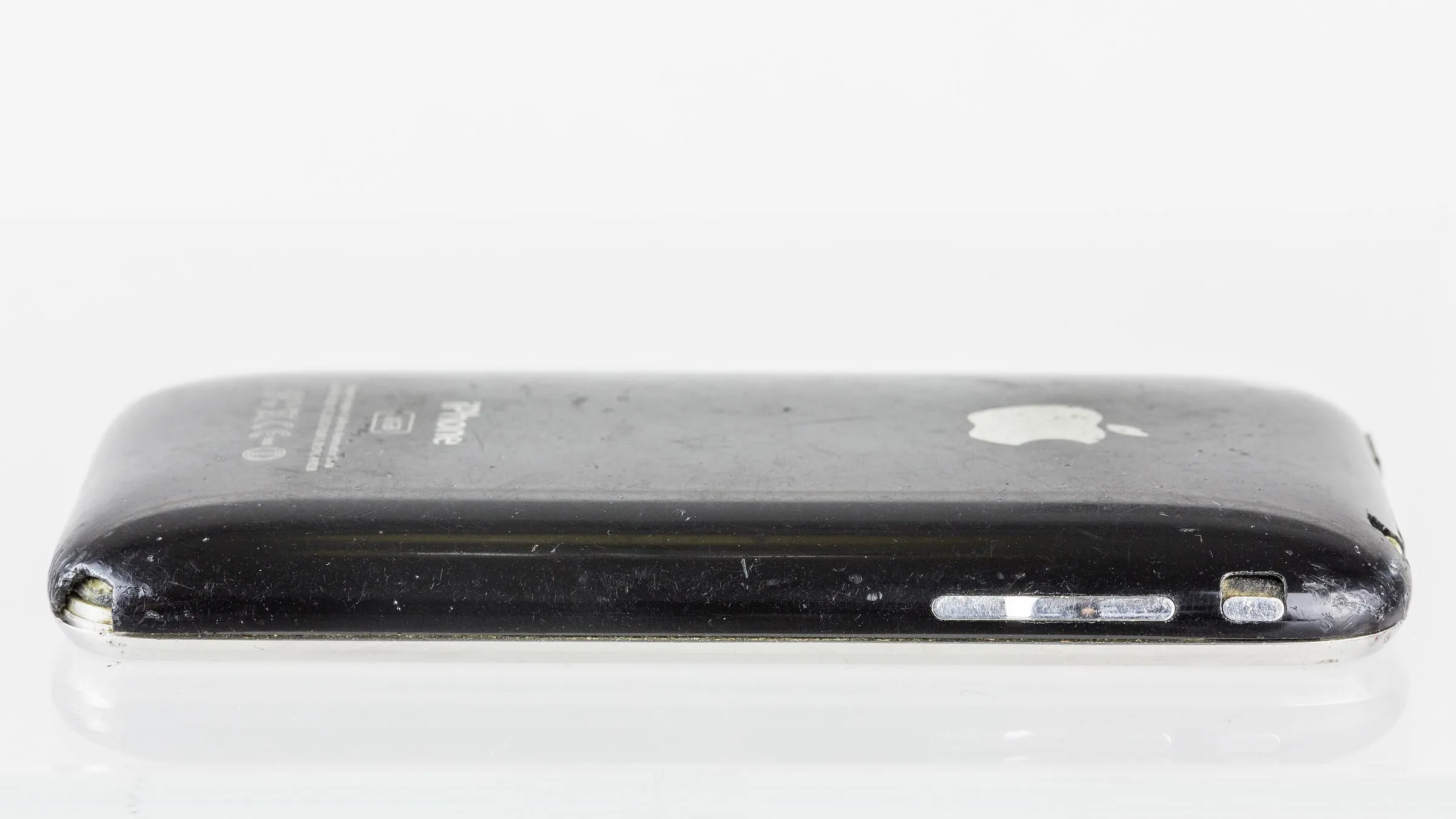
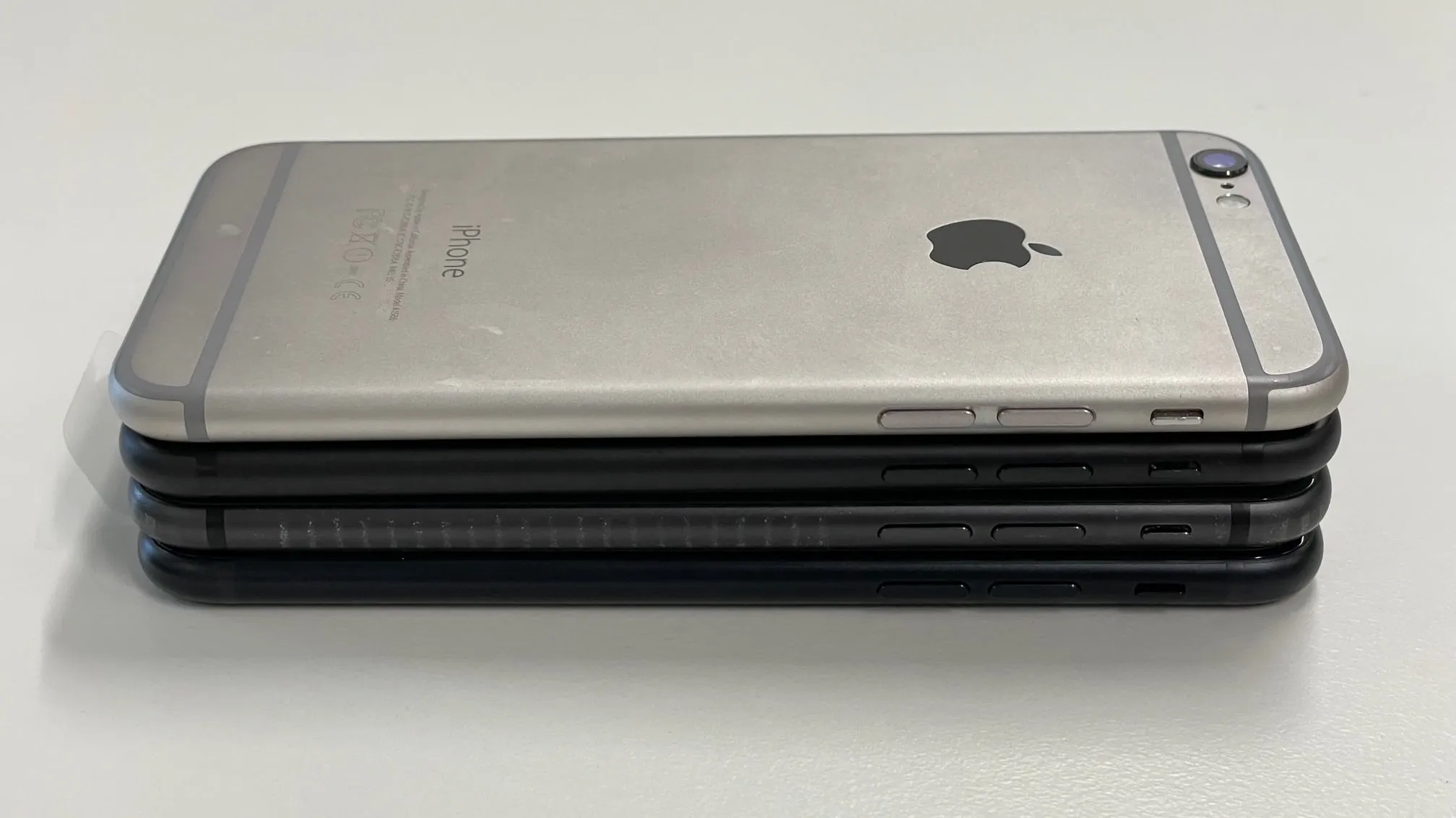
The thickest iPhones were the 3G and 3GS, at 12.3 mm with their curved plastic backs. The iPhone 6 got down to 6.9 mm in 2014, a record that stood for eleven years.
In the meantime the Pro models went the other way. Bigger batteries and camera modules pushed them from 7.4 mm in 2020 to 8.75 mm for the 17 Pro and 18 Pro. Then came the iPhone Air in September 2025 at 5.64 mm, and a year later the Duo, which is 5.2 mm thick when open and 11.3 mm closed. Folded, it is only a millimetre thinner than the 3G.
Fig. 3 · Depth
Every iPhone seen from the side. Thickness and height are to the same scale, in launch order.
| iPhone | 2007 | 12 | 115 |
|---|---|---|---|
| iPhone 3G | 2008 | 12 | 116 |
| iPhone 3GS | 2009 | 12 | 116 |
| iPhone 4 | 2010 | 9 | 115 |
| iPhone 4S | 2011 | 9 | 115 |
| iPhone 5 | 2012 | 8 | 124 |
| iPhone 5c | 2013 | 9 | 124 |
| iPhone 5s | 2013 | 8 | 124 |
| iPhone 6 | 2014 | 7 | 138 |
| iPhone 6 Plus | 2014 | 7 | 158 |
| iPhone 6s | 2015 | 7 | 138 |
| iPhone 6s Plus | 2015 | 7 | 158 |
| iPhone SE (1st gen) | 2016 | 8 | 124 |
| iPhone 7 | 2016 | 7 | 138 |
| iPhone 7 Plus | 2016 | 7 | 158 |
| iPhone 8 | 2017 | 7 | 138 |
| iPhone 8 Plus | 2017 | 8 | 158 |
| iPhone X | 2017 | 8 | 144 |
| iPhone XS | 2018 | 8 | 144 |
| iPhone XS Max | 2018 | 8 | 158 |
| iPhone XR | 2018 | 8 | 151 |
| iPhone 11 | 2019 | 8 | 151 |
| iPhone 11 Pro | 2019 | 8 | 144 |
| iPhone 11 Pro Max | 2019 | 8 | 158 |
| iPhone SE (2nd gen) | 2020 | 7 | 138 |
| iPhone 12 | 2020 | 7 | 147 |
| iPhone 12 Pro | 2020 | 7 | 147 |
| iPhone 12 mini | 2020 | 7 | 132 |
| iPhone 12 Pro Max | 2020 | 7 | 161 |
| iPhone 13 mini | 2021 | 8 | 132 |
| iPhone 13 | 2021 | 8 | 147 |
| iPhone 13 Pro | 2021 | 8 | 147 |
| iPhone 13 Pro Max | 2021 | 8 | 161 |
| iPhone SE (3rd gen) | 2022 | 7 | 138 |
| iPhone 14 | 2022 | 8 | 147 |
| iPhone 14 Pro | 2022 | 8 | 148 |
| iPhone 14 Pro Max | 2022 | 8 | 161 |
| iPhone 14 Plus | 2022 | 8 | 161 |
| iPhone 15 | 2023 | 8 | 148 |
| iPhone 15 Plus | 2023 | 8 | 161 |
| iPhone 15 Pro | 2023 | 8 | 147 |
| iPhone 15 Pro Max | 2023 | 8 | 160 |
| iPhone 16 | 2024 | 8 | 148 |
| iPhone 16 Plus | 2024 | 8 | 161 |
| iPhone 16 Pro | 2024 | 8 | 150 |
| iPhone 16 Pro Max | 2024 | 8 | 163 |
| iPhone 16e | 2025 | 8 | 147 |
| iPhone 17 | 2025 | 8 | 150 |
| iPhone Air | 2025 | 6 | 156 |
| iPhone 17 Pro | 2025 | 9 | 150 |
| iPhone 17 Pro Max | 2025 | 9 | 163 |
| iPhone 17e | 2026 | 8 | 147 |
| iPhone 18 Pro | 2026 | 9 | 150 |
| iPhone 18 Pro Max | 2026 | 9 | 163 |
| iPhone Duo | 2026 | 11 | 118 |
Plastic curves, flat aluminium, and the thinnest slab beside the biggest.
Weight followed the screen. The lightest iPhones were the 5 and 5s at 112 g. The 8 Plus was the first over 200 g. The Pro Max went from 208 g as the XS Max to 240 g by 2021. The 18 Pro Max weighs 249 g, 16 g more than the 17 Pro Max in an identical body, with a larger battery inside. The Duo is the heaviest iPhone yet at 254 g.
Fig. 4 · Weight
Weight of every iPhone, in grams, by release date.
| iPhone | 2007 | 135 |
|---|---|---|
| iPhone 3G | 2008 | 133 |
| iPhone 3GS | 2009 | 135 |
| iPhone 4 | 2010 | 137 |
| iPhone 4S | 2011 | 140 |
| iPhone 5 | 2012 | 112 |
| iPhone 5c | 2013 | 132 |
| iPhone 5s | 2013 | 112 |
| iPhone 6 | 2014 | 129 |
| iPhone 6 Plus | 2014 | 172 |
| iPhone 6s | 2015 | 143 |
| iPhone 6s Plus | 2015 | 192 |
| iPhone SE (1st gen) | 2016 | 113 |
| iPhone 7 | 2016 | 138 |
| iPhone 7 Plus | 2016 | 188 |
| iPhone 8 | 2017 | 148 |
| iPhone 8 Plus | 2017 | 202 |
| iPhone X | 2017 | 174 |
| iPhone XS | 2018 | 177 |
| iPhone XS Max | 2018 | 208 |
| iPhone XR | 2018 | 194 |
| iPhone 11 | 2019 | 194 |
| iPhone 11 Pro | 2019 | 188 |
| iPhone 11 Pro Max | 2019 | 226 |
| iPhone SE (2nd gen) | 2020 | 148 |
| iPhone 12 | 2020 | 164 |
| iPhone 12 Pro | 2020 | 189 |
| iPhone 12 mini | 2020 | 135 |
| iPhone 12 Pro Max | 2020 | 228 |
| iPhone 13 mini | 2021 | 141 |
| iPhone 13 | 2021 | 174 |
| iPhone 13 Pro | 2021 | 204 |
| iPhone 13 Pro Max | 2021 | 240 |
| iPhone SE (3rd gen) | 2022 | 144 |
| iPhone 14 | 2022 | 172 |
| iPhone 14 Pro | 2022 | 206 |
| iPhone 14 Pro Max | 2022 | 240 |
| iPhone 14 Plus | 2022 | 203 |
| iPhone 15 | 2023 | 171 |
| iPhone 15 Plus | 2023 | 201 |
| iPhone 15 Pro | 2023 | 187 |
| iPhone 15 Pro Max | 2023 | 221 |
| iPhone 16 | 2024 | 170 |
| iPhone 16 Plus | 2024 | 199 |
| iPhone 16 Pro | 2024 | 199 |
| iPhone 16 Pro Max | 2024 | 227 |
| iPhone 16e | 2025 | 167 |
| iPhone 17 | 2025 | 177 |
| iPhone Air | 2025 | 165 |
| iPhone 17 Pro | 2025 | 206 |
| iPhone 17 Pro Max | 2025 | 233 |
| iPhone 17e | 2026 | 169 |
| iPhone 18 Pro | 2026 | 211 |
| iPhone 18 Pro Max | 2026 | 249 |
| iPhone Duo | 2026 | 254 |
The Air goes the other way. At 165 g it is lighter than the cheaper iPhone 17, and its screen is bigger.
The Air, the iPhone 17 and the 17 Pro Max at launch.
04 · Price
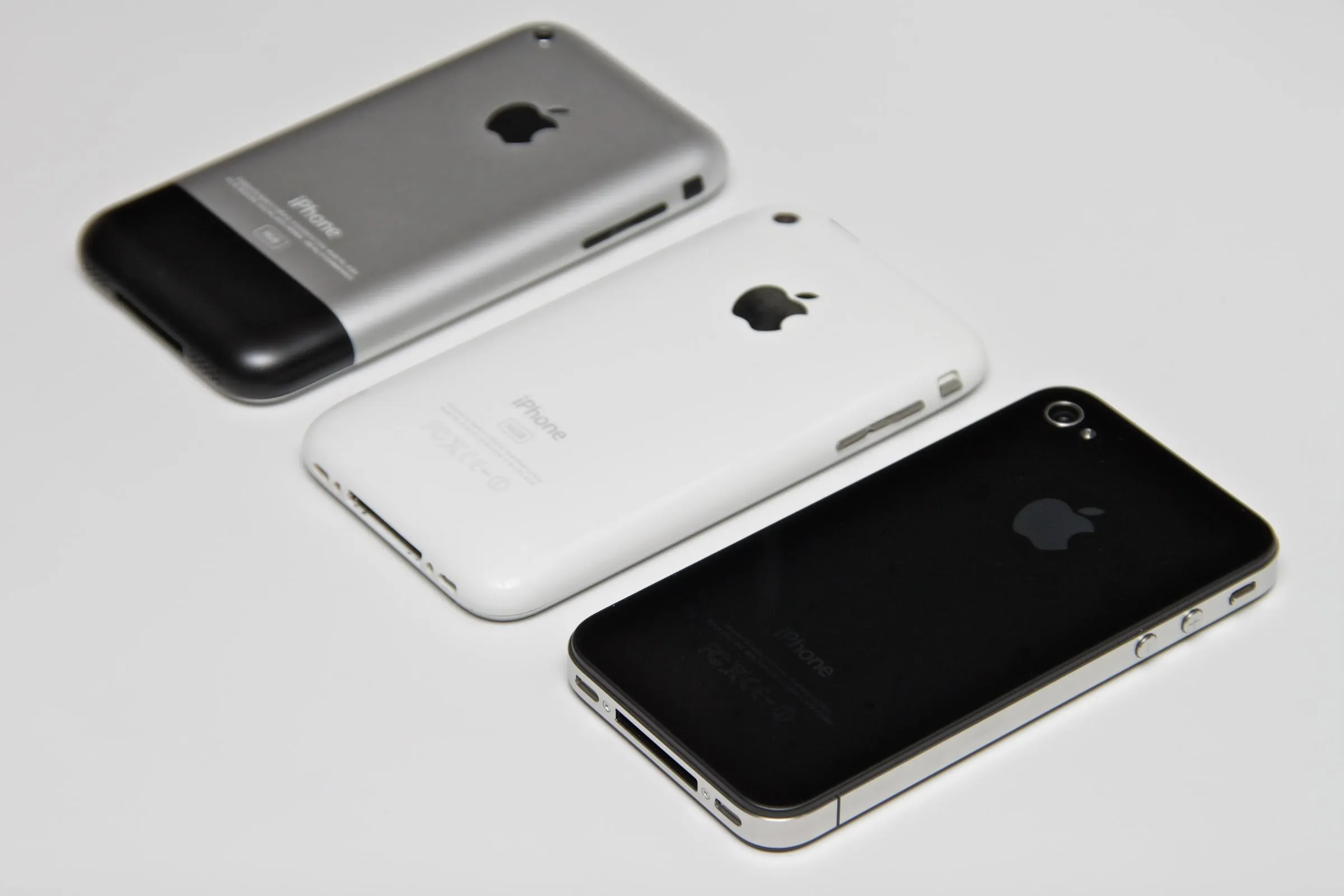
The first iPhone cost US$499 for 4 GB, on a compulsory two-year AT&T plan. In September 2026 dollars that is about US$807. The iPhone 18 Pro Max starts at US$1,299, so the top iPhone now costs 1.6 times the original in real terms, with 64 times the storage.
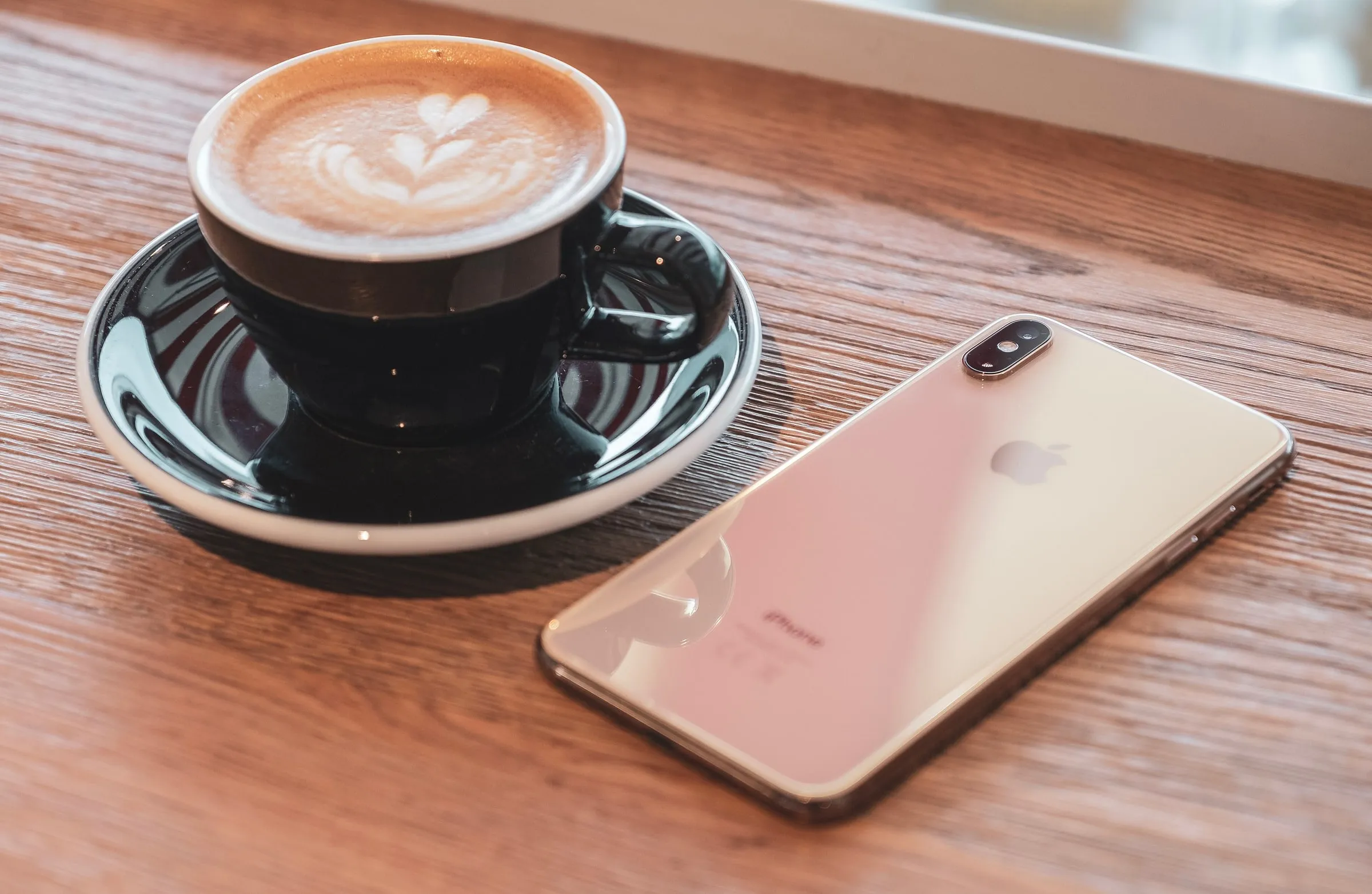
But adjust for inflation and the most expensive non-folding iPhone was the XS Max. Its US$1,099 in September 2018 is about US$1,467 today. Apple held the Pro Max at US$1,099 for five years while prices rose around it, then moved to US$1,199 in 2023 and US$1,299 this year. At the other end, every budget model from the first SE in 2016 to the 17e has launched at between about US$500 and US$650 in today’s money.
Fig. 5 · Price
Starting US price at launch, for the base storage. The dashed line joins the dearest non-folding model of each year.
| iPhone | 2007 | 4 GB | US$499 | US$807 |
|---|---|---|---|---|
| iPhone 3G | 2008 | 8 GB | US$199 (contract) | – |
| iPhone 3GS | 2009 | 16 GB | US$199 (contract) | – |
| iPhone 4 | 2010 | 16 GB | US$199 (contract) | – |
| iPhone 4S | 2011 | 16 GB | US$649 | US$966 |
| iPhone 5 | 2012 | 16 GB | US$649 | US$945 |
| iPhone 5c | 2013 | 16 GB | US$549 | US$790 |
| iPhone 5s | 2013 | 16 GB | US$649 | US$934 |
| iPhone 6 | 2014 | 16 GB | US$649 | US$919 |
| iPhone 6 Plus | 2014 | 16 GB | US$749 | US$1,060 |
| iPhone 6s | 2015 | 16 GB | US$649 | US$919 |
| iPhone 6s Plus | 2015 | 16 GB | US$749 | US$1,061 |
| iPhone SE (1st gen) | 2016 | 16 GB | US$399 | US$565 |
| iPhone 7 | 2016 | 32 GB | US$649 | US$906 |
| iPhone 7 Plus | 2016 | 32 GB | US$769 | US$1,073 |
| iPhone 8 | 2017 | 64 GB | US$699 | US$954 |
| iPhone 8 Plus | 2017 | 64 GB | US$799 | US$1,091 |
| iPhone X | 2017 | 64 GB | US$999 | US$1,365 |
| iPhone XS | 2018 | 64 GB | US$999 | US$1,333 |
| iPhone XS Max | 2018 | 64 GB | US$1,099 | US$1,467 |
| iPhone XR | 2018 | 64 GB | US$749 | US$998 |
| iPhone 11 | 2019 | 64 GB | US$699 | US$917 |
| iPhone 11 Pro | 2019 | 64 GB | US$999 | US$1,311 |
| iPhone 11 Pro Max | 2019 | 64 GB | US$1,099 | US$1,442 |
| iPhone SE (2nd gen) | 2020 | 64 GB | US$399 | US$524 |
| iPhone 12 | 2020 | 64 GB | US$799 | US$1,034 |
| iPhone 12 Pro | 2020 | 128 GB | US$999 | US$1,293 |
| iPhone 12 mini | 2020 | 64 GB | US$699 | US$905 |
| iPhone 12 Pro Max | 2020 | 128 GB | US$1,099 | US$1,423 |
| iPhone 13 mini | 2021 | 128 GB | US$699 | US$859 |
| iPhone 13 | 2021 | 128 GB | US$799 | US$981 |
| iPhone 13 Pro | 2021 | 128 GB | US$999 | US$1,227 |
| iPhone 13 Pro Max | 2021 | 128 GB | US$1,099 | US$1,350 |
| iPhone SE (3rd gen) | 2022 | 64 GB | US$429 | US$503 |
| iPhone 14 | 2022 | 128 GB | US$799 | US$907 |
| iPhone 14 Pro | 2022 | 128 GB | US$999 | US$1,134 |
| iPhone 14 Pro Max | 2022 | 128 GB | US$1,099 | US$1,248 |
| iPhone 14 Plus | 2022 | 128 GB | US$899 | US$1,016 |
| iPhone 15 | 2023 | 128 GB | US$799 | US$875 |
| iPhone 15 Plus | 2023 | 128 GB | US$899 | US$984 |
| iPhone 15 Pro | 2023 | 128 GB | US$999 | US$1,094 |
| iPhone 15 Pro Max | 2023 | 256 GB | US$1,199 | US$1,313 |
| iPhone 16 | 2024 | 128 GB | US$799 | US$854 |
| iPhone 16 Plus | 2024 | 128 GB | US$899 | US$961 |
| iPhone 16 Pro | 2024 | 128 GB | US$999 | US$1,068 |
| iPhone 16 Pro Max | 2024 | 256 GB | US$1,199 | US$1,281 |
| iPhone 16e | 2025 | 128 GB | US$599 | US$633 |
| iPhone 17 | 2025 | 256 GB | US$799 | US$829 |
| iPhone Air | 2025 | 256 GB | US$999 | US$1,036 |
| iPhone 17 Pro | 2025 | 256 GB | US$1,099 | US$1,140 |
| iPhone 17 Pro Max | 2025 | 256 GB | US$1,199 | US$1,244 |
| iPhone 17e | 2026 | 256 GB | US$599 | US$611 |
| iPhone 18 Pro | 2026 | 256 GB | US$1,199 | US$1,199 |
| iPhone 18 Pro Max | 2026 | 256 GB | US$1,299 | US$1,299 |
| iPhone Duo | 2026 | 256 GB | US$1,999 | US$1,999 |
What a gigabyte cost, and the ends of the range
05 · The lineup
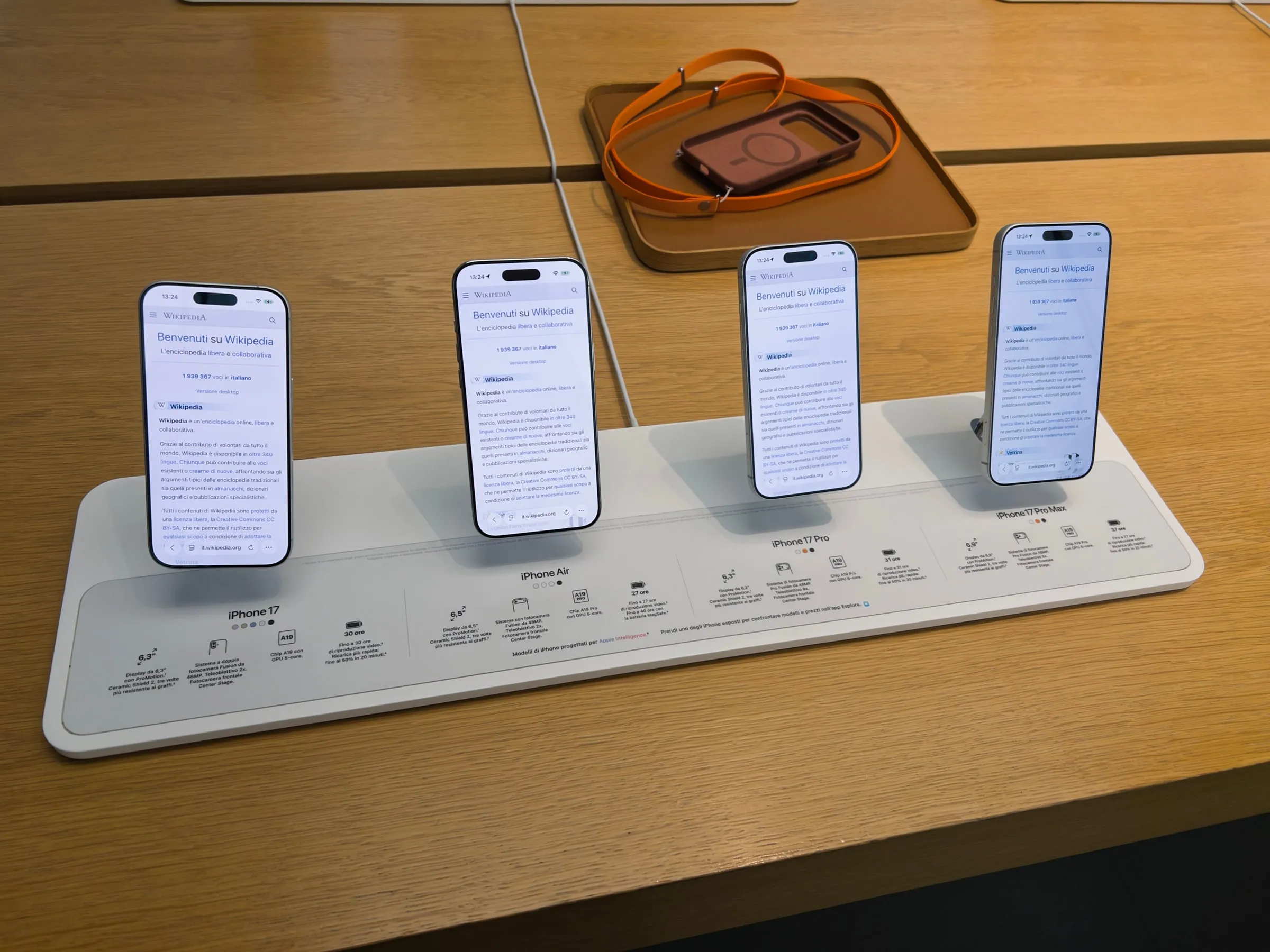
For six years there was one new iPhone a year. In 2013 the 5c joined the 5s; in 2014 the Plus added a second size; in 2016 the SE added a cheaper, smaller one in spring. In 2020 Apple released five new models in four screen sizes, from the 4.7-inch SE to the 6.7-inch 12 Pro Max.
Fig. 6 · Lineup
Each tile is one model, stacked in release order. Calendar year of release.
The mini lasted two generations and the SE three. Their successors, the 16e and 17e, are 6.1 inches, so the smallest main screen on a new iPhone is now the size of the 2018 XR’s. Apple has also split its calendar. The 18 Pro, 18 Pro Max and Duo arrived in September and October 2026. The plain iPhone 18 is expected in early 2027.
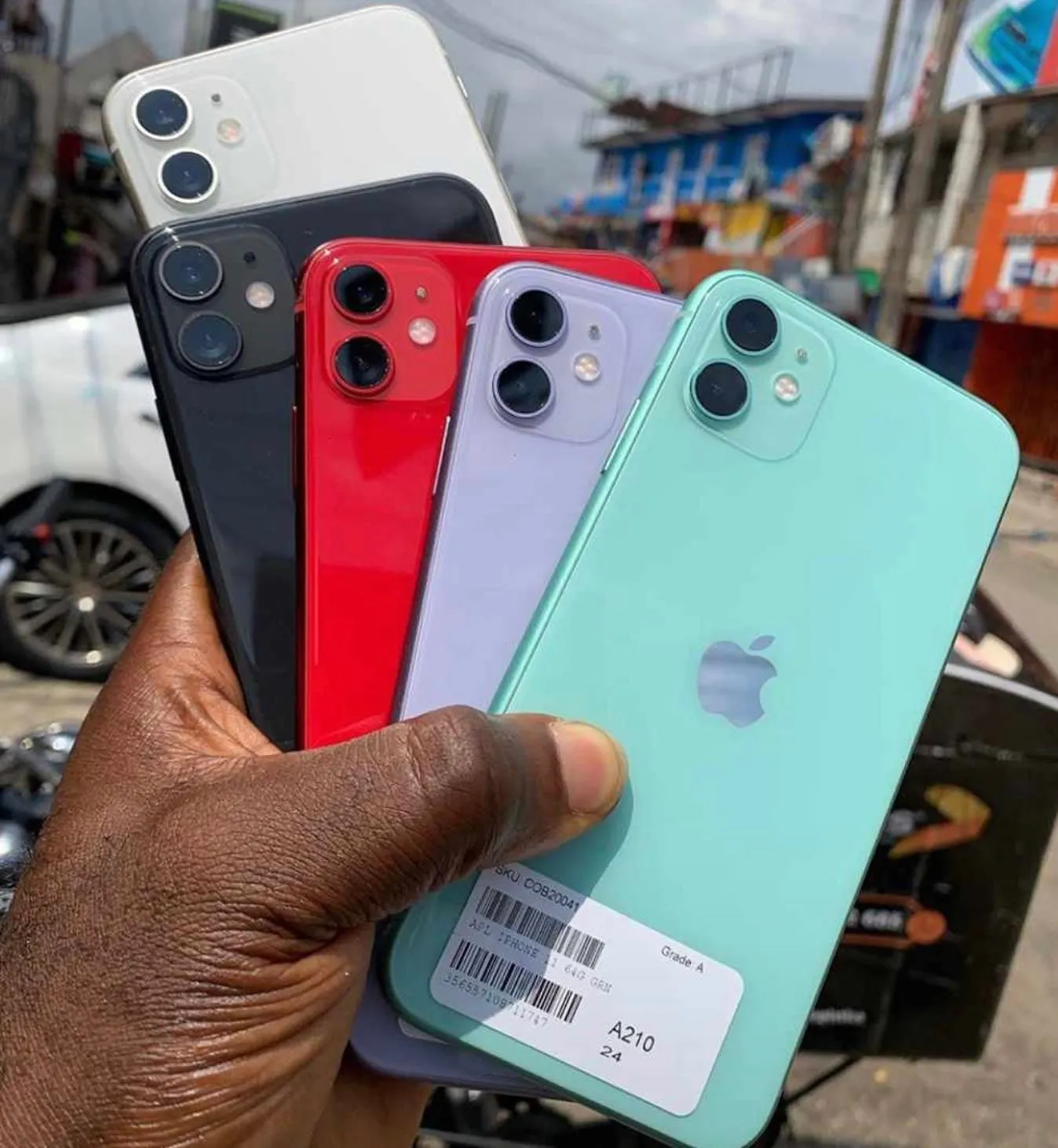
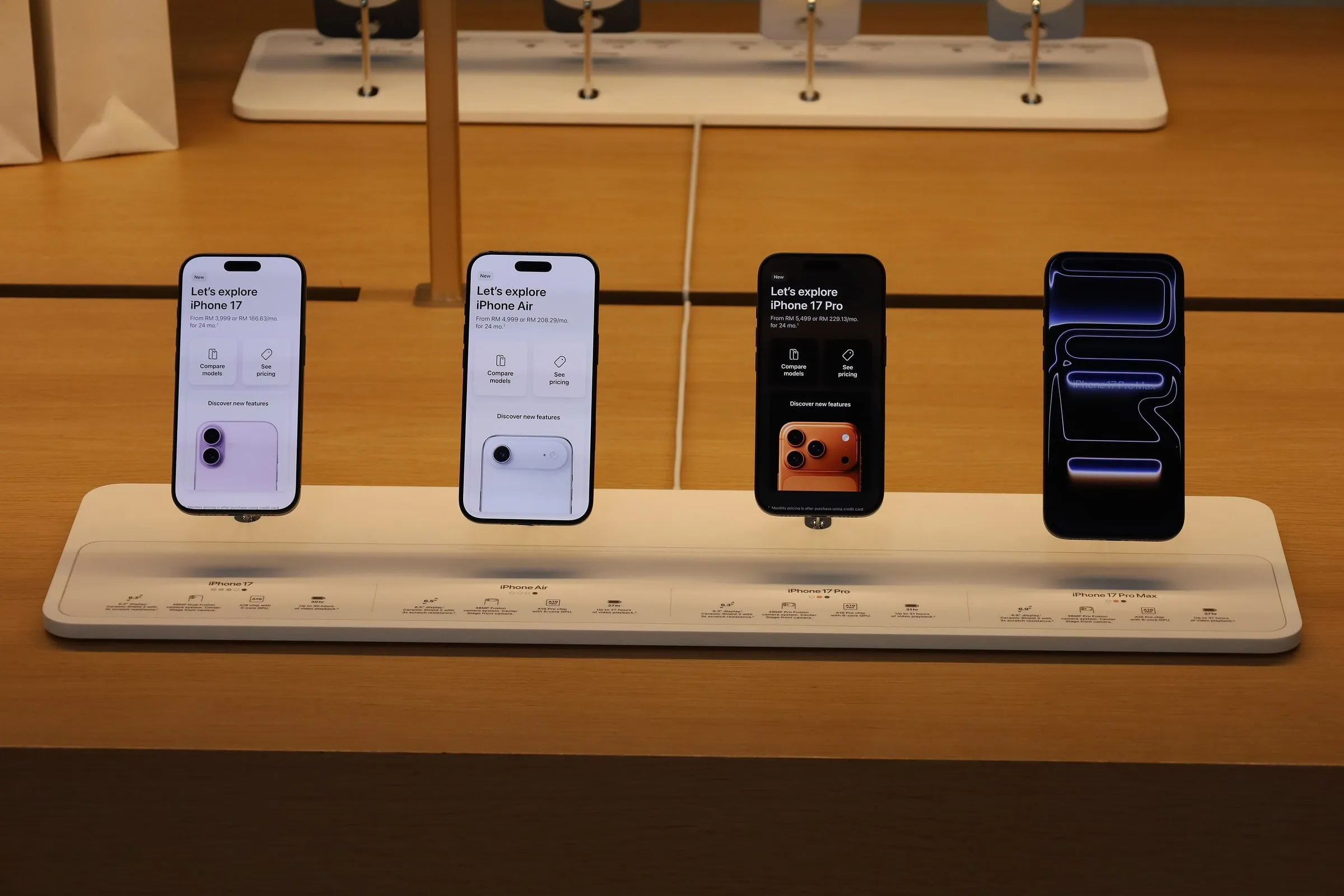
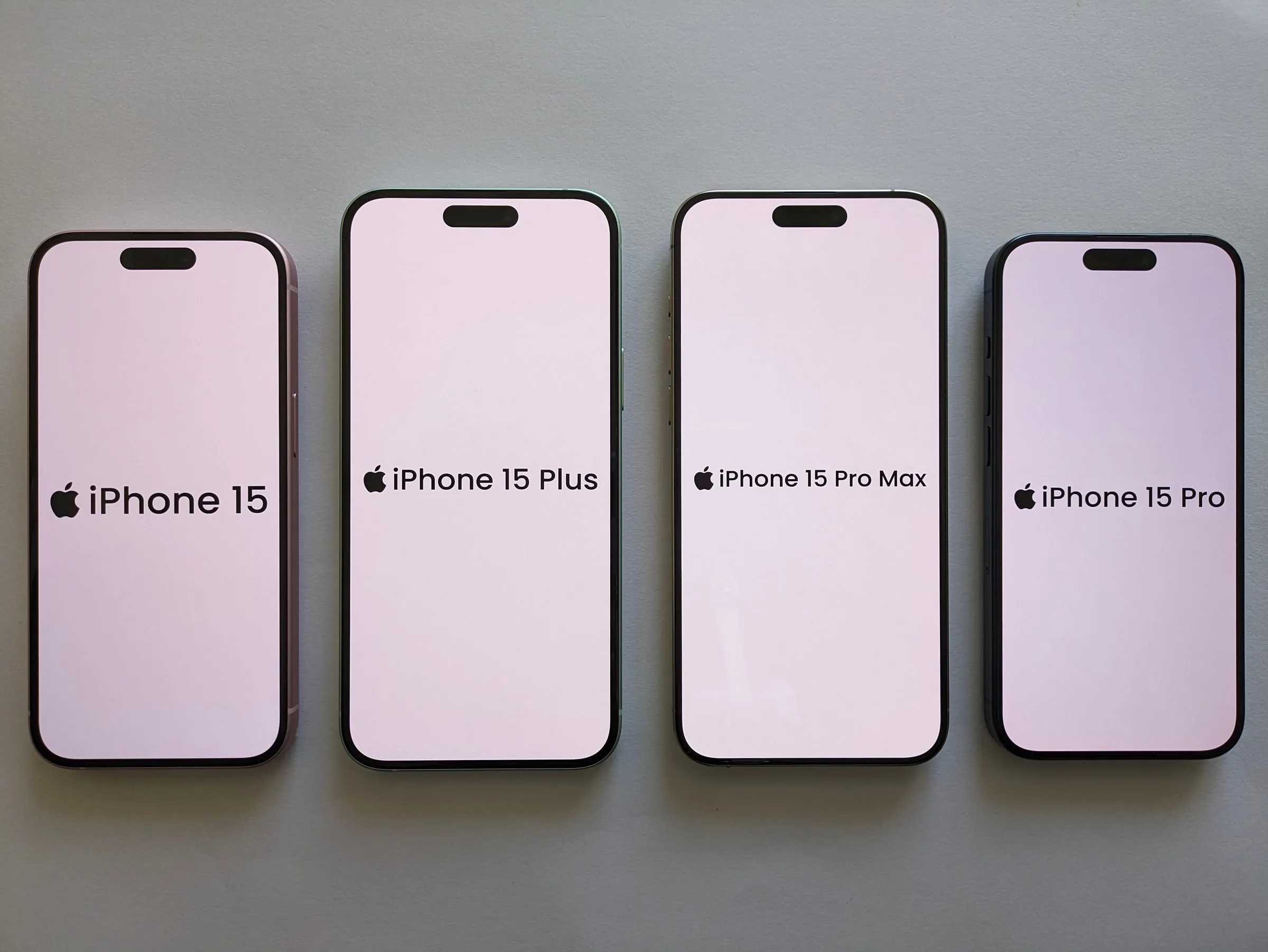
Four or five at a time.
Launch days, nineteen years on.
06 · The Duo
SimonWaldherr / CC BY 4.0
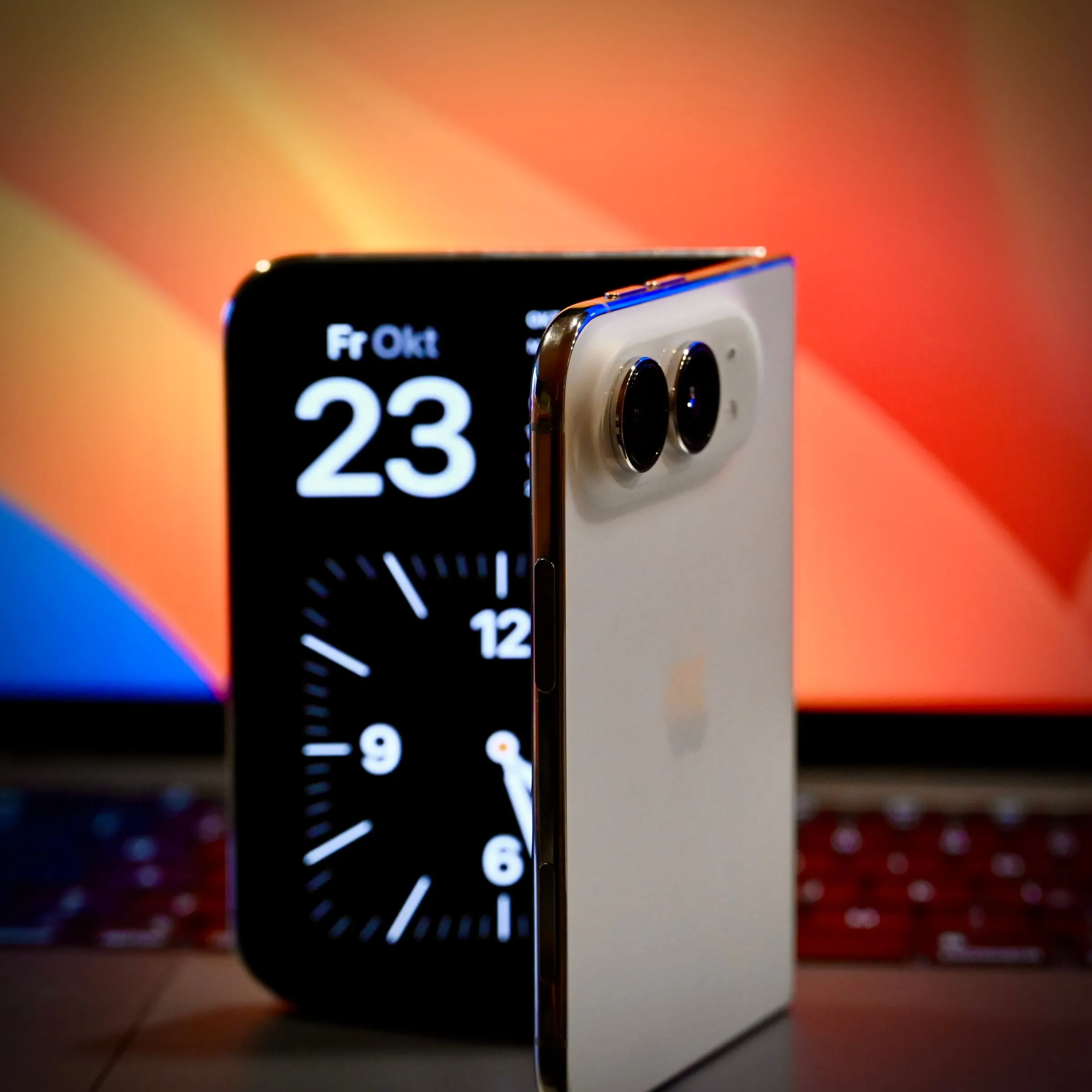
Put the Duo back on the shelf beside the first iPhone and the circle nearly closes. Folded, it is 117.8 mm tall, 2.8 mm taller than the original, and about the height a phone was before the screens started to grow.
The Duo went on sale on 23 October 2026.
It took nineteen years for a big screen to fit in a small pocket again. It costs four times as much, or about two and a half times in today’s money.
iPhone Duo, folded
117.8 mm
Specifications. The Duo’s dimensions are given folded (117.8 × 84.1 × 11.3 mm); open, it is 117.8 × 164.6 × 5.2 mm. Weights are for the US model, which can differ by a gram or two from other regions: for example 135 g for the 12 mini, 240 g for the 13 Pro Max, 206 g for the 17 Pro and 233 g for the 17 Pro Max.
Prices. The US starting price announced at launch, for the base storage tier. The iPhone 3G, 3GS and 4 had only a two-year-contract price (US$199). The iPhone 12 mini and 12 were announced at US$699 and US$799 with a US$30 carrier offer, or US$729 and US$829 otherwise; we use the announced figures. Inflation uses the US CPI-U, all items, not seasonally adjusted, from each model’s US release month to September 2026 (336.940). The October index was not yet published, so the Duo is shown at its nominal price, as are the 18 Pro and 18 Pro Max.
Drawings. Outer dimensions and screen diagonals are to scale. Screen rectangles are calculated from each diagonal and the display’s aspect ratio and centred on the body, so borders are approximate. Data as of November 2026.
| H × W × D mm | ||||||||
|---|---|---|---|---|---|---|---|---|
| iPhone | Numbered | 2007-06-29 | 3.5 | 115 × 61 × 11.6 | 135 | 4 GB | US$499 | US$807 |
| iPhone 3G | Numbered | 2008-07-11 | 3.5 | 115.5 × 62.1 × 12.3 | 133 | 8 GB | US$199 (contract) | – |
| iPhone 3GS | Numbered | 2009-06-19 | 3.5 | 115.5 × 62.1 × 12.3 | 135 | 16 GB | US$199 (contract) | – |
| iPhone 4 | Numbered | 2010-06-24 | 3.5 | 115.2 × 58.6 × 9.3 | 137 | 16 GB | US$199 (contract) | – |
| iPhone 4S | Numbered | 2011-10-14 | 3.5 | 115.2 × 58.6 × 9.3 | 140 | 16 GB | US$649 | US$966 |
| iPhone 5 | Numbered | 2012-09-21 | 4.0 | 123.8 × 58.6 × 7.6 | 112 | 16 GB | US$649 | US$945 |
| iPhone 5c | SE and e | 2013-09-20 | 4.0 | 124.4 × 59.2 × 8.97 | 132 | 16 GB | US$549 | US$790 |
| iPhone 5s | Numbered | 2013-09-20 | 4.0 | 123.8 × 58.6 × 7.6 | 112 | 16 GB | US$649 | US$934 |
| iPhone 6 | Numbered | 2014-09-19 | 4.7 | 138.1 × 67 × 6.9 | 129 | 16 GB | US$649 | US$919 |
| iPhone 6 Plus | Plus | 2014-09-19 | 5.5 | 158.1 × 77.8 × 7.1 | 172 | 16 GB | US$749 | US$1,060 |
| iPhone 6s | Numbered | 2015-09-25 | 4.7 | 138.3 × 67.1 × 7.1 | 143 | 16 GB | US$649 | US$919 |
| iPhone 6s Plus | Plus | 2015-09-25 | 5.5 | 158.2 × 77.9 × 7.3 | 192 | 16 GB | US$749 | US$1,061 |
| iPhone SE (1st gen) | SE and e | 2016-03-31 | 4.0 | 123.8 × 58.6 × 7.6 | 113 | 16 GB | US$399 | US$565 |
| iPhone 7 | Numbered | 2016-09-16 | 4.7 | 138.3 × 67.1 × 7.1 | 138 | 32 GB | US$649 | US$906 |
| iPhone 7 Plus | Plus | 2016-09-16 | 5.5 | 158.2 × 77.9 × 7.3 | 188 | 32 GB | US$769 | US$1,073 |
| iPhone 8 | Numbered | 2017-09-22 | 4.7 | 138.4 × 67.3 × 7.3 | 148 | 64 GB | US$699 | US$954 |
| iPhone 8 Plus | Plus | 2017-09-22 | 5.5 | 158.4 × 78.1 × 7.5 | 202 | 64 GB | US$799 | US$1,091 |
| iPhone X | Pro, X and XS | 2017-11-03 | 5.8 | 143.6 × 70.9 × 7.7 | 174 | 64 GB | US$999 | US$1,365 |
| iPhone XS | Pro, X and XS | 2018-09-21 | 5.8 | 143.6 × 70.9 × 7.7 | 177 | 64 GB | US$999 | US$1,333 |
| iPhone XS Max | Pro, X and XS | 2018-09-21 | 6.5 | 157.5 × 77.4 × 7.7 | 208 | 64 GB | US$1,099 | US$1,467 |
| iPhone XR | Numbered | 2018-10-26 | 6.1 | 150.9 × 75.7 × 8.3 | 194 | 64 GB | US$749 | US$998 |
| iPhone 11 | Numbered | 2019-09-20 | 6.1 | 150.9 × 75.7 × 8.3 | 194 | 64 GB | US$699 | US$917 |
| iPhone 11 Pro | Pro, X and XS | 2019-09-20 | 5.8 | 144 × 71.4 × 8.1 | 188 | 64 GB | US$999 | US$1,311 |
| iPhone 11 Pro Max | Pro, X and XS | 2019-09-20 | 6.5 | 158 × 77.8 × 8.1 | 226 | 64 GB | US$1,099 | US$1,442 |
| iPhone SE (2nd gen) | SE and e | 2020-04-24 | 4.7 | 138.4 × 67.3 × 7.3 | 148 | 64 GB | US$399 | US$524 |
| iPhone 12 | Numbered | 2020-10-23 | 6.1 | 146.7 × 71.5 × 7.4 | 164 | 64 GB | US$799 | US$1,034 |
| iPhone 12 Pro | Pro, X and XS | 2020-10-23 | 6.1 | 146.7 × 71.5 × 7.4 | 189 | 128 GB | US$999 | US$1,293 |
| iPhone 12 mini | mini | 2020-11-13 | 5.4 | 131.5 × 64.2 × 7.4 | 135 | 64 GB | US$699 | US$905 |
| iPhone 12 Pro Max | Pro, X and XS | 2020-11-13 | 6.7 | 160.8 × 78.1 × 7.4 | 228 | 128 GB | US$1,099 | US$1,423 |
| iPhone 13 mini | mini | 2021-09-24 | 5.4 | 131.5 × 64.2 × 7.65 | 141 | 128 GB | US$699 | US$859 |
| iPhone 13 | Numbered | 2021-09-24 | 6.1 | 146.7 × 71.5 × 7.65 | 174 | 128 GB | US$799 | US$981 |
| iPhone 13 Pro | Pro, X and XS | 2021-09-24 | 6.1 | 146.7 × 71.5 × 7.65 | 204 | 128 GB | US$999 | US$1,227 |
| iPhone 13 Pro Max | Pro, X and XS | 2021-09-24 | 6.7 | 160.8 × 78.1 × 7.65 | 240 | 128 GB | US$1,099 | US$1,350 |
| iPhone SE (3rd gen) | SE and e | 2022-03-18 | 4.7 | 138.4 × 67.3 × 7.3 | 144 | 64 GB | US$429 | US$503 |
| iPhone 14 | Numbered | 2022-09-16 | 6.1 | 146.7 × 71.5 × 7.8 | 172 | 128 GB | US$799 | US$907 |
| iPhone 14 Pro | Pro, X and XS | 2022-09-16 | 6.1 | 147.5 × 71.5 × 7.85 | 206 | 128 GB | US$999 | US$1,134 |
| iPhone 14 Pro Max | Pro, X and XS | 2022-09-16 | 6.7 | 160.7 × 77.6 × 7.85 | 240 | 128 GB | US$1,099 | US$1,248 |
| iPhone 14 Plus | Plus | 2022-10-07 | 6.7 | 160.8 × 78.1 × 7.8 | 203 | 128 GB | US$899 | US$1,016 |
| iPhone 15 | Numbered | 2023-09-22 | 6.1 | 147.6 × 71.6 × 7.8 | 171 | 128 GB | US$799 | US$875 |
| iPhone 15 Plus | Plus | 2023-09-22 | 6.7 | 160.9 × 77.8 × 7.8 | 201 | 128 GB | US$899 | US$984 |
| iPhone 15 Pro | Pro, X and XS | 2023-09-22 | 6.1 | 146.6 × 70.6 × 8.25 | 187 | 128 GB | US$999 | US$1,094 |
| iPhone 15 Pro Max | Pro, X and XS | 2023-09-22 | 6.7 | 159.9 × 76.7 × 8.25 | 221 | 256 GB | US$1,199 | US$1,313 |
| iPhone 16 | Numbered | 2024-09-20 | 6.1 | 147.6 × 71.6 × 7.8 | 170 | 128 GB | US$799 | US$854 |
| iPhone 16 Plus | Plus | 2024-09-20 | 6.7 | 160.9 × 77.8 × 7.8 | 199 | 128 GB | US$899 | US$961 |
| iPhone 16 Pro | Pro, X and XS | 2024-09-20 | 6.3 | 149.6 × 71.5 × 8.25 | 199 | 128 GB | US$999 | US$1,068 |
| iPhone 16 Pro Max | Pro, X and XS | 2024-09-20 | 6.9 | 163 × 77.6 × 8.25 | 227 | 256 GB | US$1,199 | US$1,281 |
| iPhone 16e | SE and e | 2025-02-28 | 6.1 | 146.7 × 71.5 × 7.8 | 167 | 128 GB | US$599 | US$633 |
| iPhone 17 | Numbered | 2025-09-19 | 6.3 | 149.6 × 71.5 × 7.95 | 177 | 256 GB | US$799 | US$829 |
| iPhone Air | Air and Duo | 2025-09-19 | 6.5 | 156.2 × 74.7 × 5.64 | 165 | 256 GB | US$999 | US$1,036 |
| iPhone 17 Pro | Pro, X and XS | 2025-09-19 | 6.3 | 150 × 71.9 × 8.75 | 206 | 256 GB | US$1,099 | US$1,140 |
| iPhone 17 Pro Max | Pro, X and XS | 2025-09-19 | 6.9 | 163.4 × 78 × 8.75 | 233 | 256 GB | US$1,199 | US$1,244 |
| iPhone 17e | SE and e | 2026-03-11 | 6.1 | 146.7 × 71.5 × 7.8 | 169 | 256 GB | US$599 | US$611 |
| iPhone 18 Pro | Pro, X and XS | 2026-09-18 | 6.3 | 150 × 71.9 × 8.75 | 211 | 256 GB | US$1,199 | US$1,199 |
| iPhone 18 Pro Max | Pro, X and XS | 2026-09-18 | 6.9 | 163.4 × 78 × 8.75 | 249 | 256 GB | US$1,299 | US$1,299 |
| iPhone Duo | Air and Duo | 2026-10-23 | 7.6 / 5.4 | 117.8 × 84.1 × 11.3 (folded) | 254 | 256 GB | US$1,999 | US$1,999 |
That is how much taller the folded Duo is than the phone Apple sold in June 2007. In between, the screen tripled in area and the phone grew to 163.4 mm. Then it folded back.
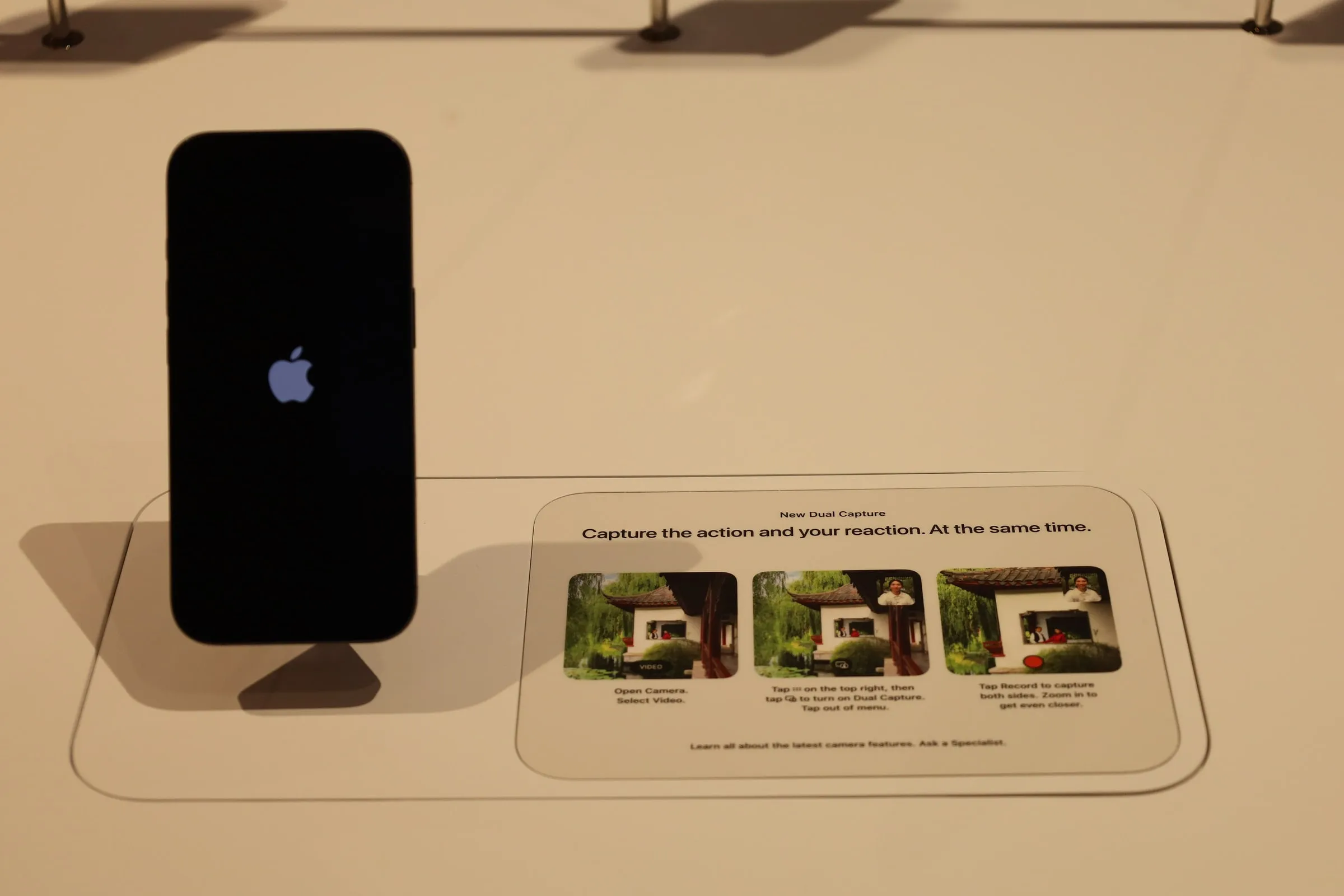
Brickell City Centre, Miami, October 2026. Phillip Pessar / CC BY 4.0
Cite this
The Studio (2026). “Every iPhone, to Scale.” No. 001, published 2 November 2026. thestudio.nz/drops/every-iphone
Older
007PlayNintendo
Nintendo has shipped 935 million game machines since 1980. Just over half were handhelds, and its best-seller is a machine that is both.
Newer
 010
CultureFilm
Twenty-five Eon Bond films, six actors and 59 years, measured in today’s money. Skyfall still leads, Thunderball runs it close, and Sean Connery’s six films out-earned Daniel Craig’s five.
The list
New stories land on Mondays. No noise in between, and you can leave whenever you like.
The list opens soon.
Until then, follow along with the RSS feed, or write to hello@thestudio.nz and we will add you on day one.