 012
DesignDyson
5,127 Prototypes
James Dyson built 5,127 versions of one vacuum cleaner before he had one that worked. Since then his company has put the same two ideas, a cyclone and a very fast motor, into almost everything that moves air.
No. 013 · Gaming
Forty-two machines, fifty-four years, and about 1.86 billion boxes sold.
Sergey Galyonkin / CC BY-SA 2.0
Forty-two games consoles, from the 1972 Magnavox Odyssey to Valve’s 2026 Steam Machine, drawn by maker, sales and price. Nintendo has sold the most machines. Sony has the biggest single hit. And since 2025, for the first time, consoles have been getting dearer as they age.
Lifetime units, 1972 to June 2026
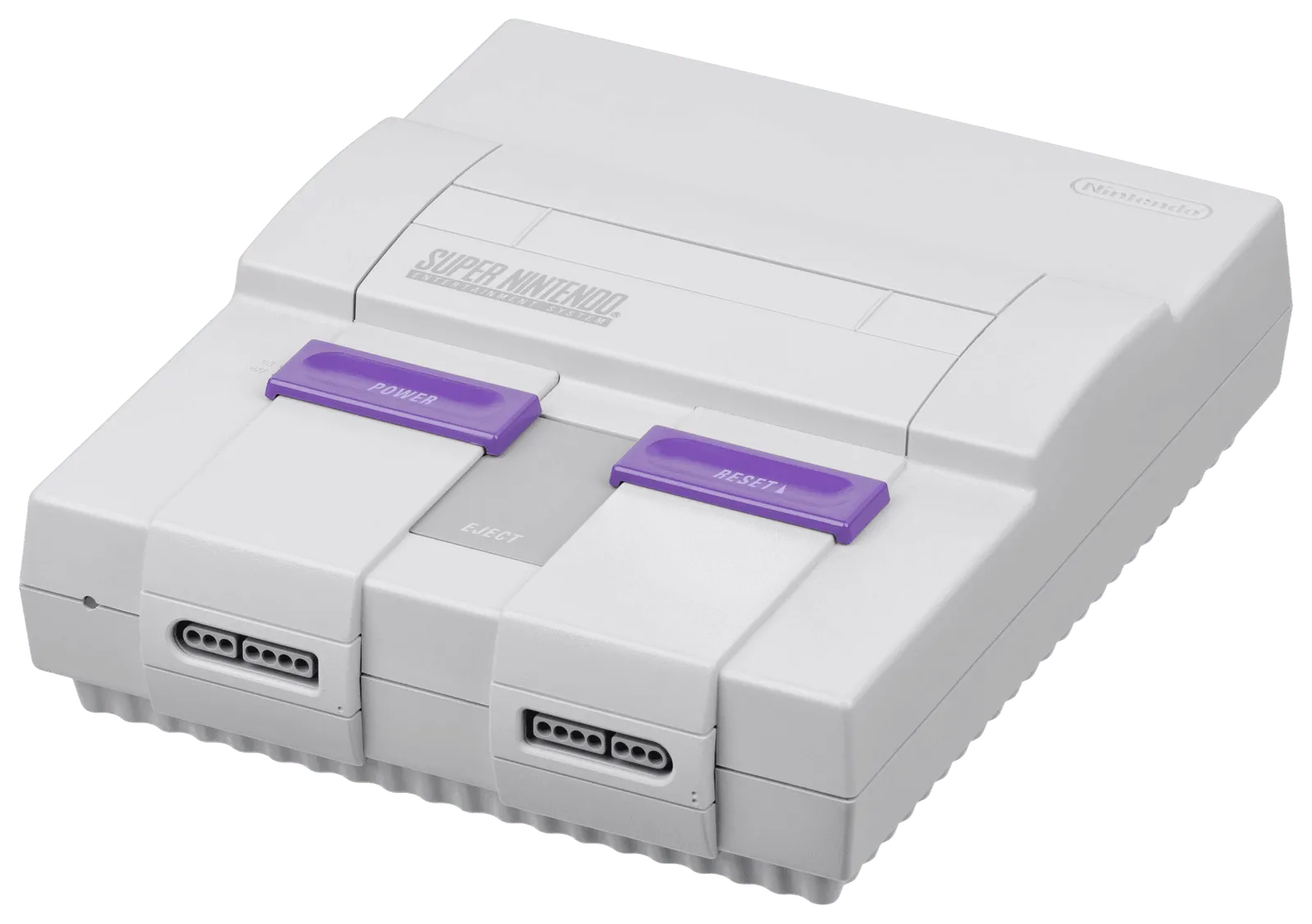
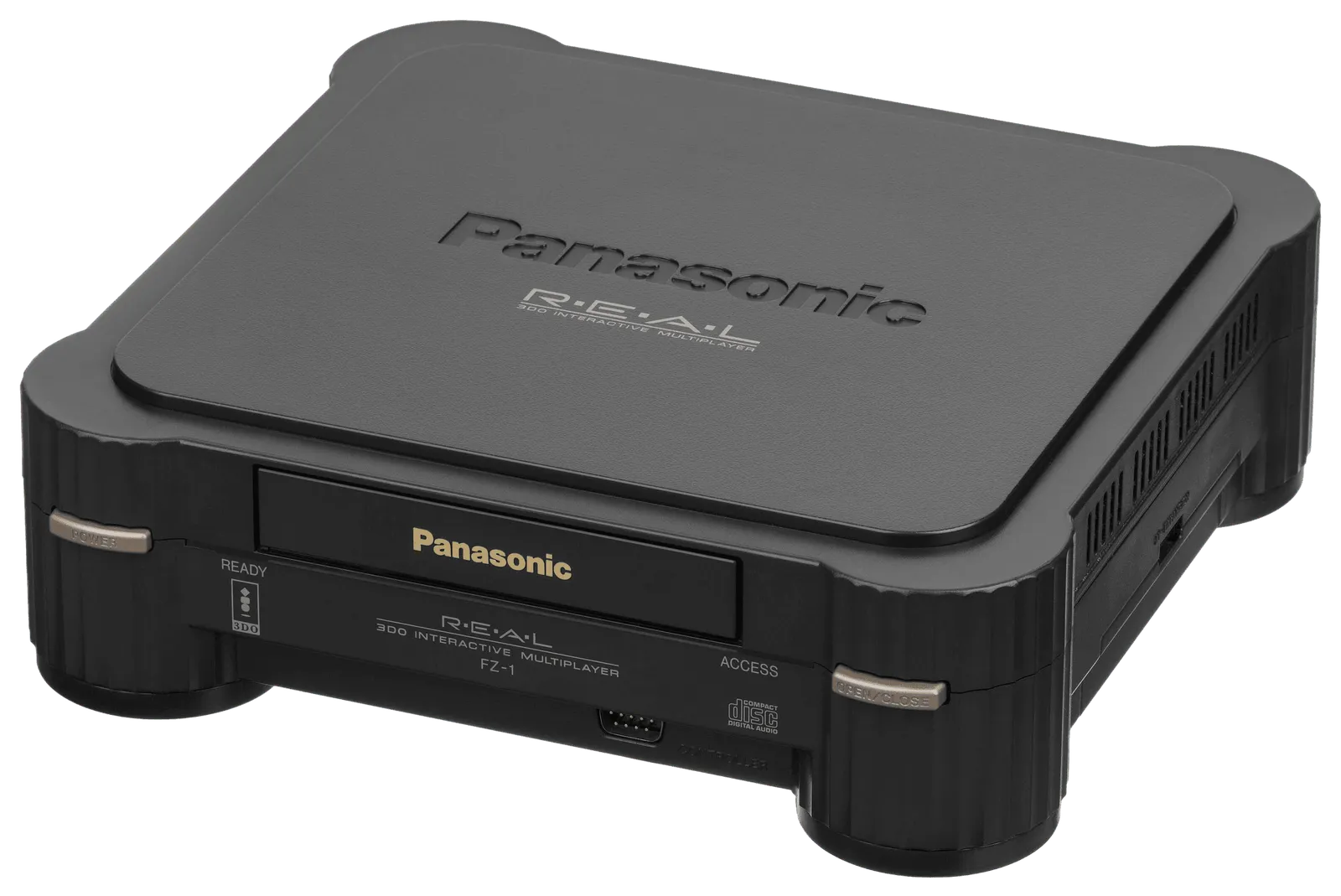
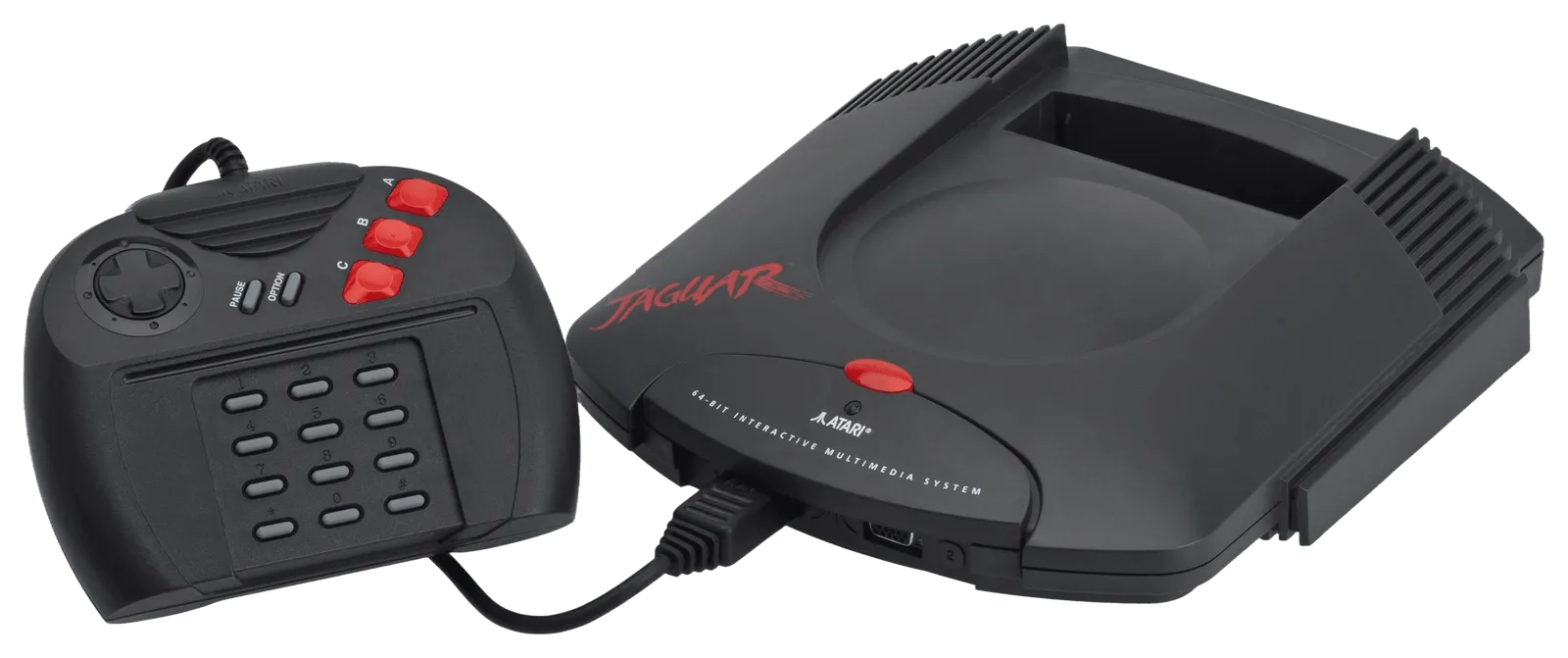
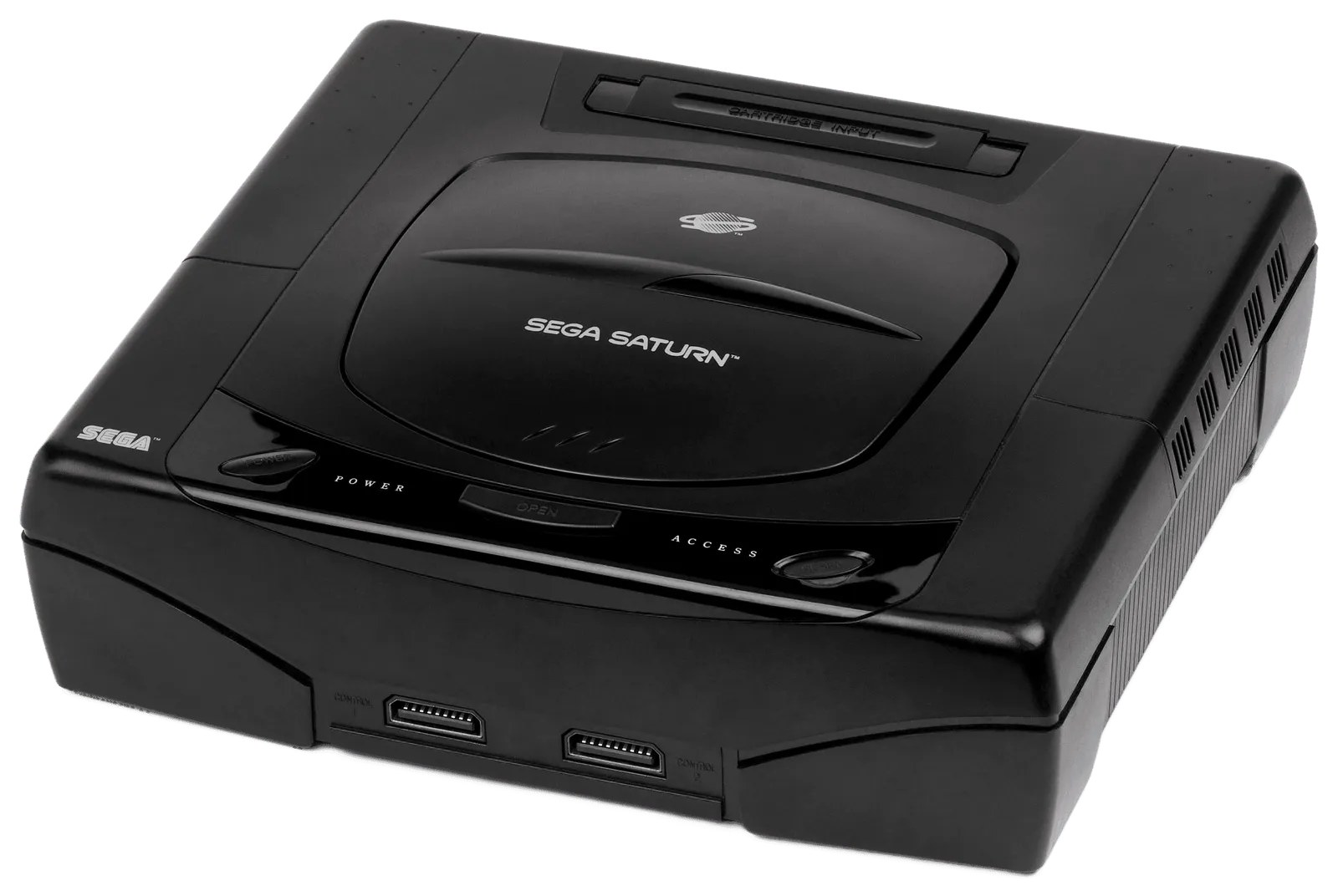
1972 to 2026
Nintendo
Sony
Sega
Microsoft
Everyone
01 · The best-sellers
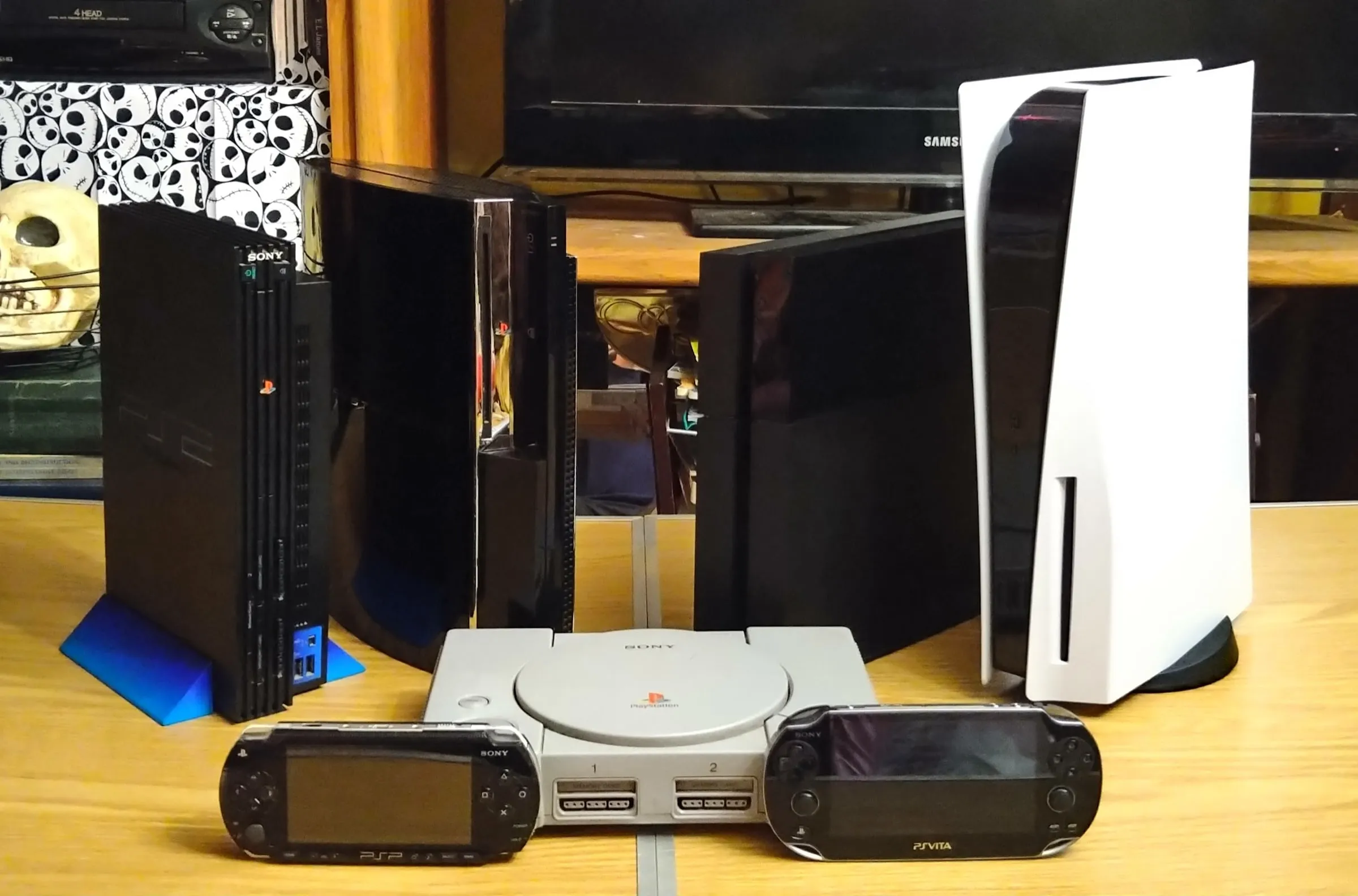
Sony says the PlayStation 2 sold more than 160 million units between 2000 and 2013. It published that figure with its 30th-anniversary history in November 2024. Its previous official total, from 2012, was 155 million.
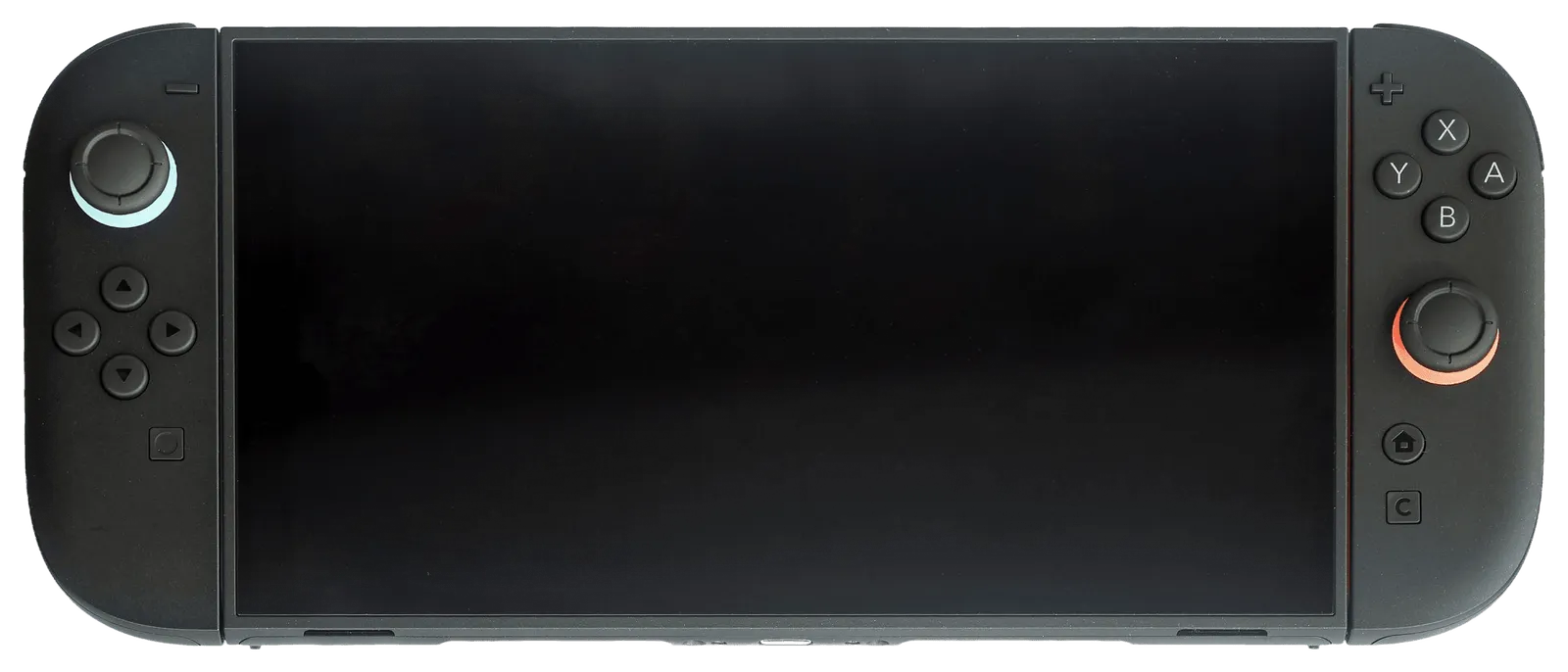
The one machine still on sale that could pass it is the Nintendo Switch. It overtook the Nintendo DS (154.02 million) in the quarter to December 2025 and stood at 156.59 million on 30 June 2026. But the Switch is slowing now that its successor is out: it shipped 0.66 million from April to June 2026. At that rate the remaining 3.4 million would take more than five quarters, and the rate keeps falling.
The Switch’s gap to the PS2
3.41m
Fig. 1 · Best-sellers
Lifetime units, millions. ~ marks an estimate.
| PS2 | Sony | 160+m |
|---|---|---|
| Switch | Nintendo | 156.59m |
| DS | Nintendo | 154.02m |
| Game Boy | Nintendo | 118.69m |
| PS4 | Sony | 117.2m |
| PlayStation | Sony | 102.49m |
| Wii | Nintendo | 101.63m |
| PS5 | Sony | 95.3m |
| PS3 | Sony | 87.4m |
| Xbox 360 | Microsoft | 84m |
| GBA | Nintendo | 81.51m |
| PSP | Sony | 80+m |
| 3DS | Nintendo | 75.94m |
| NES | Nintendo | 61.91m |
| Xbox One (est.) | Microsoft | ~58m |
| SNES | Nintendo | 49.1m |
| Series X|S (est.) | Microsoft | ~35m |
| N64 | Nintendo | 32.93m |
| Mega Drive (est.) | Sega | ~30.75m |
| Atari 2600 (est.) | Atari | ~30m |
| Xbox | Microsoft | 24m |
| Switch 2 | Nintendo | 23.68m |
| GameCube | Nintendo | 21.74m |
Below the top three sits a crowded middle. Nine machines finished, or sit, between 80 and 120 million, from the Game Boy to the PSP. The PS5 is the only one of them still climbing.
02 · Generations
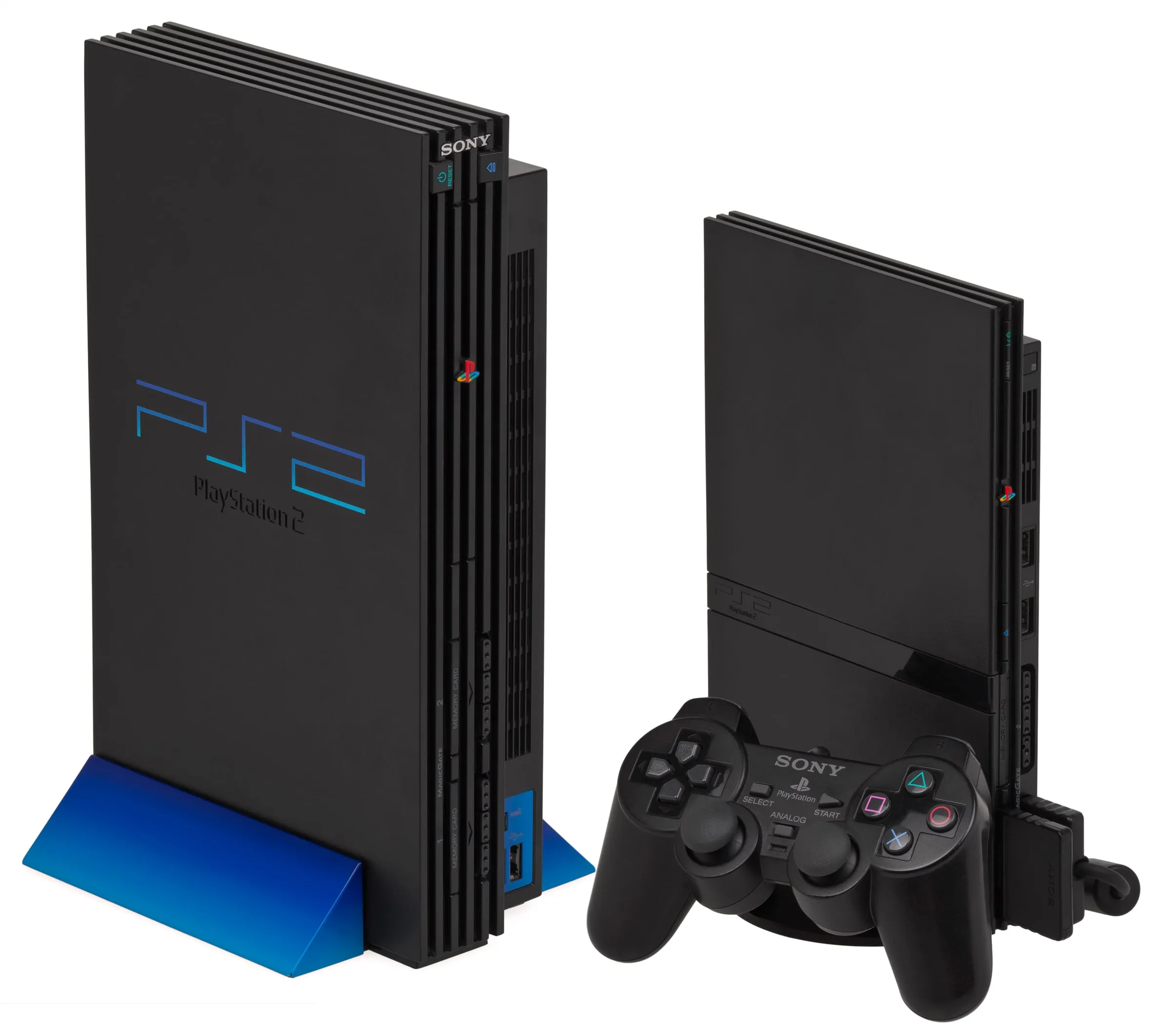
Count handhelds alongside home machines and the top seller of every generation since the third has been a Nintendo or a Sony.
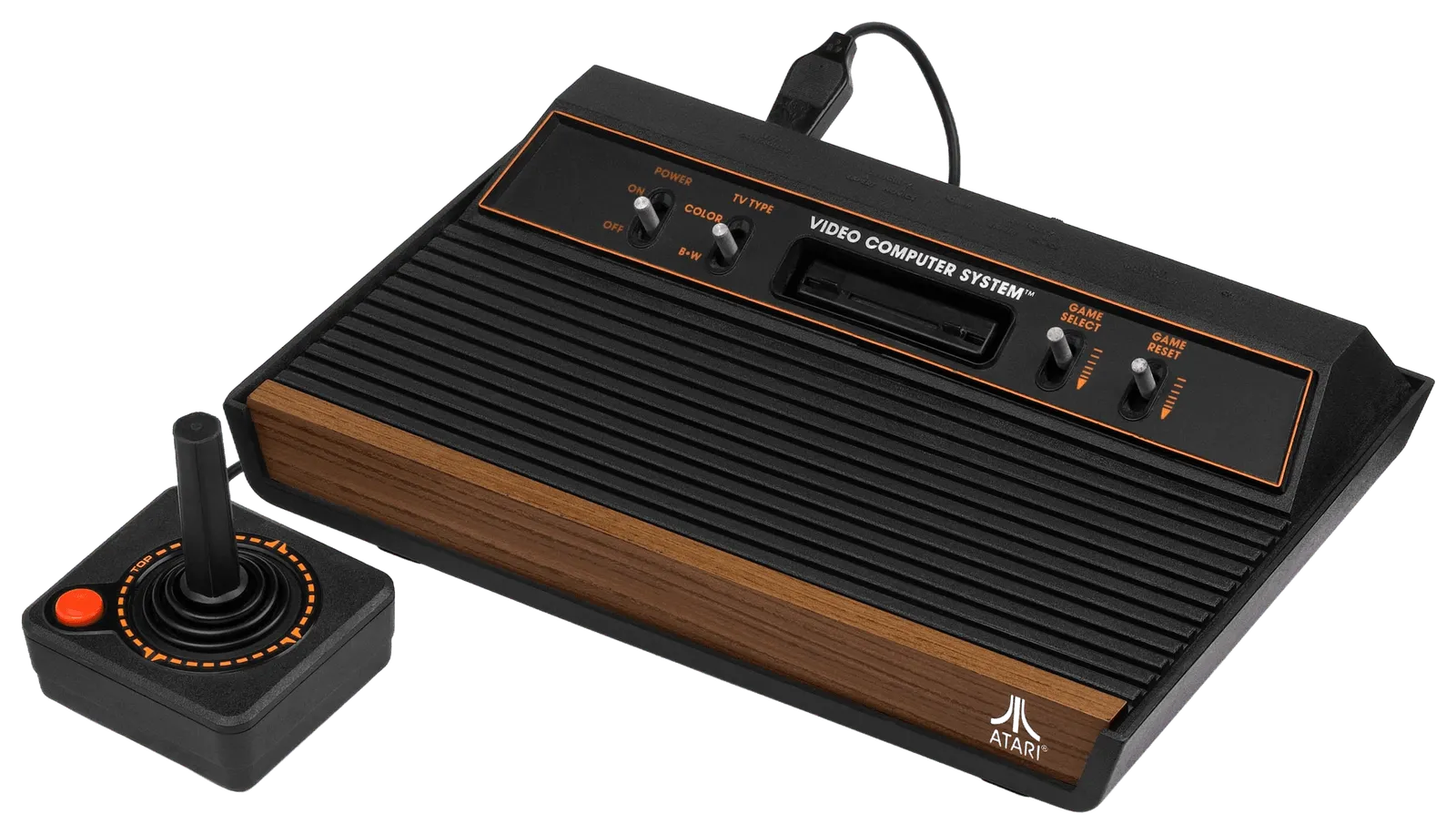
Atari 2600 · 2nd generation
Atari’s 2600 owns the second generation. It stayed in production until 1992.
Evan-Amos / Public domain
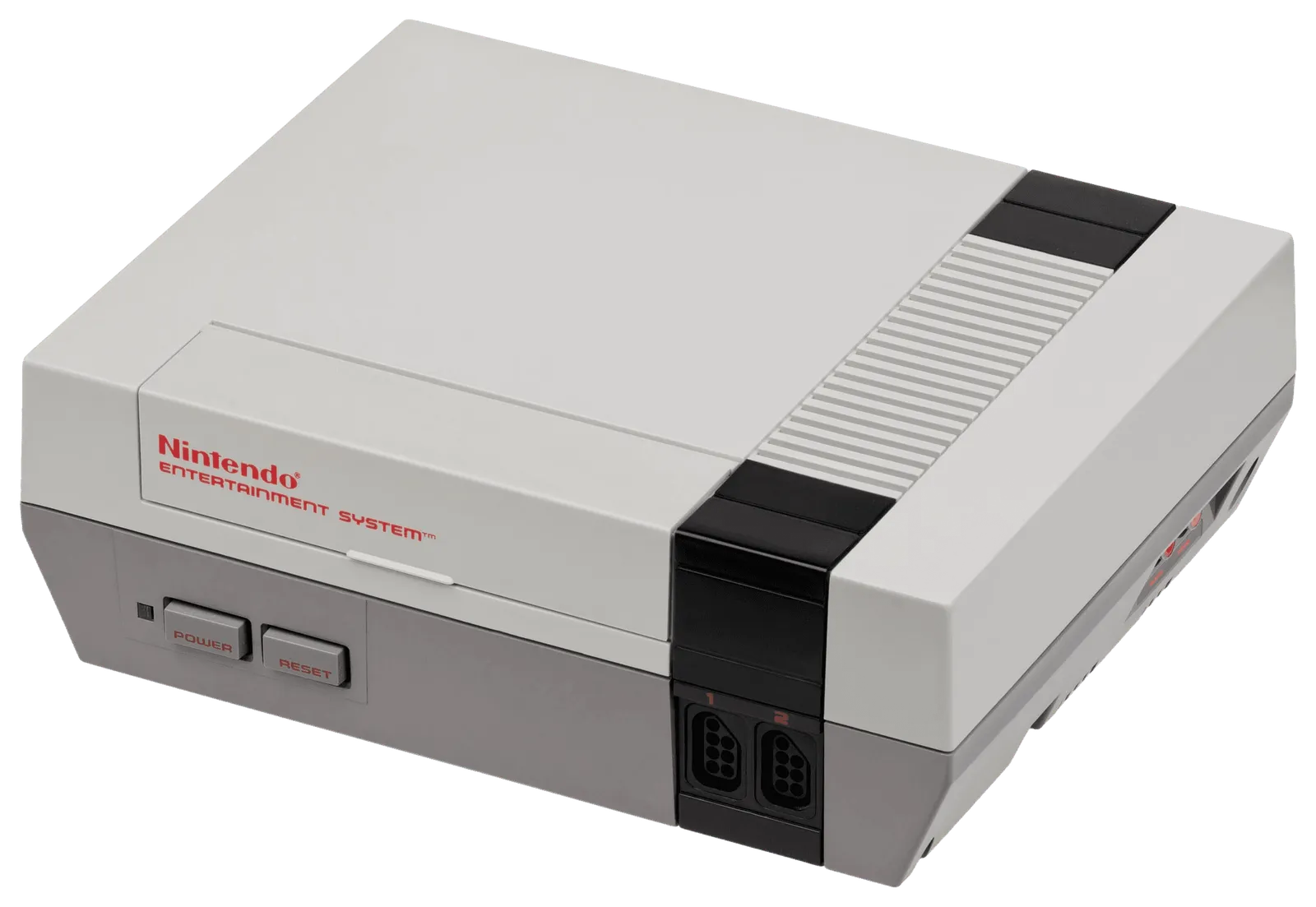
NES · 3rd generation
Launched in Japan as the Famicom in July 1983, on the same day as Sega’s first home console.
Evan-Amos / Public domain
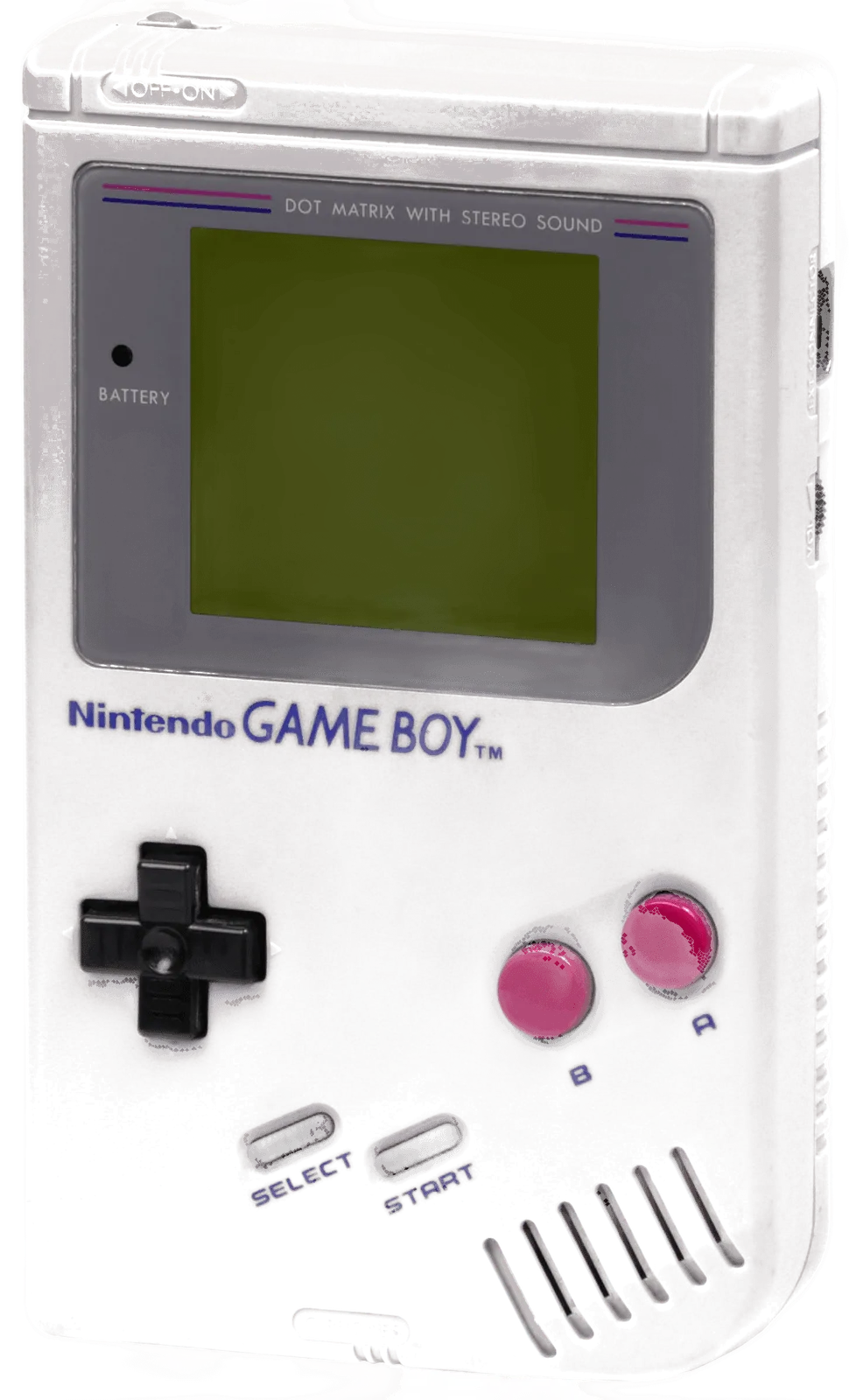
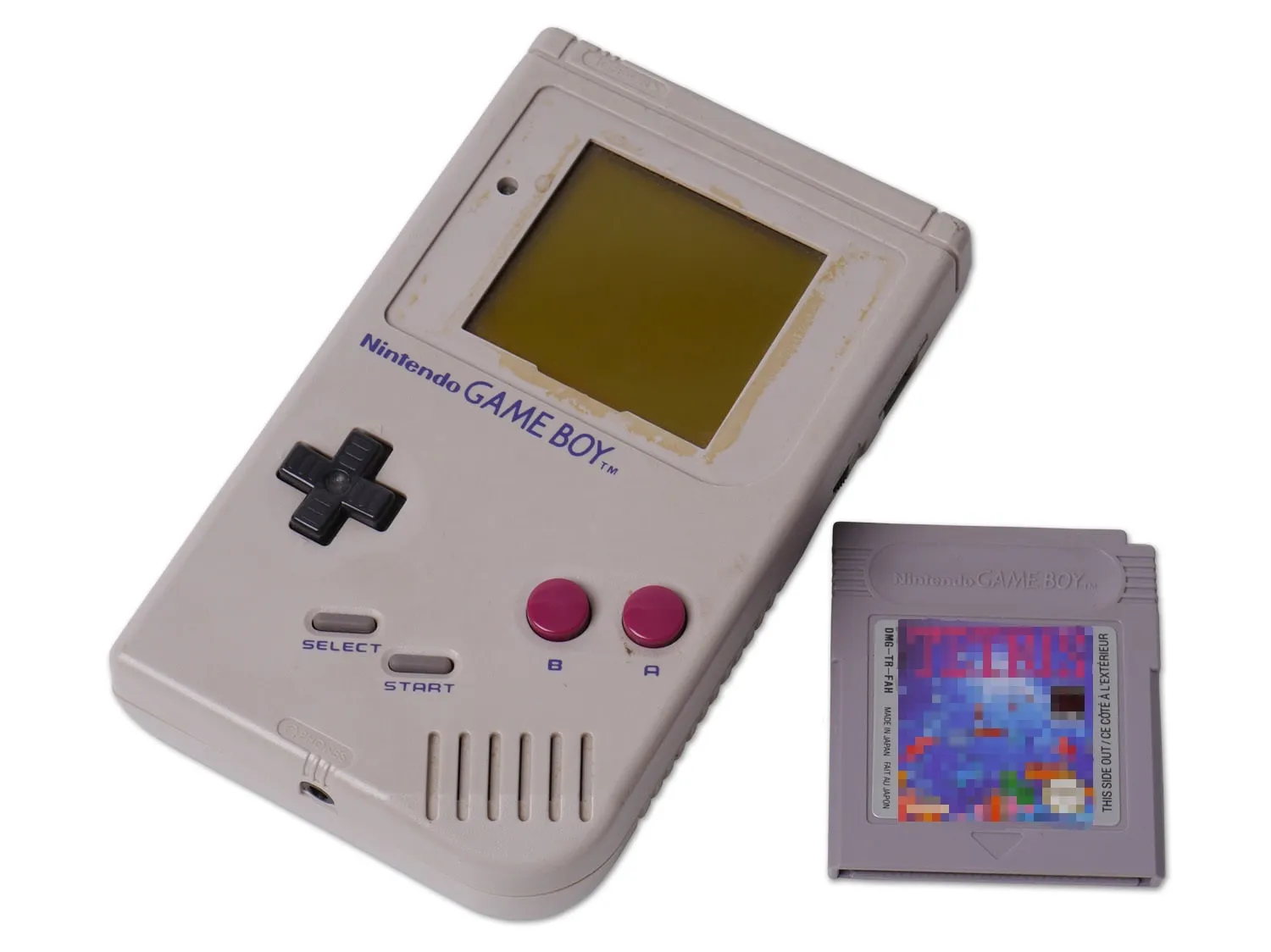
Game Boy · 4th generation
Count handhelds alongside home machines and the Game Boy wins the fourth. Among home consoles, the SNES does.
Evan-Amos / Public domain
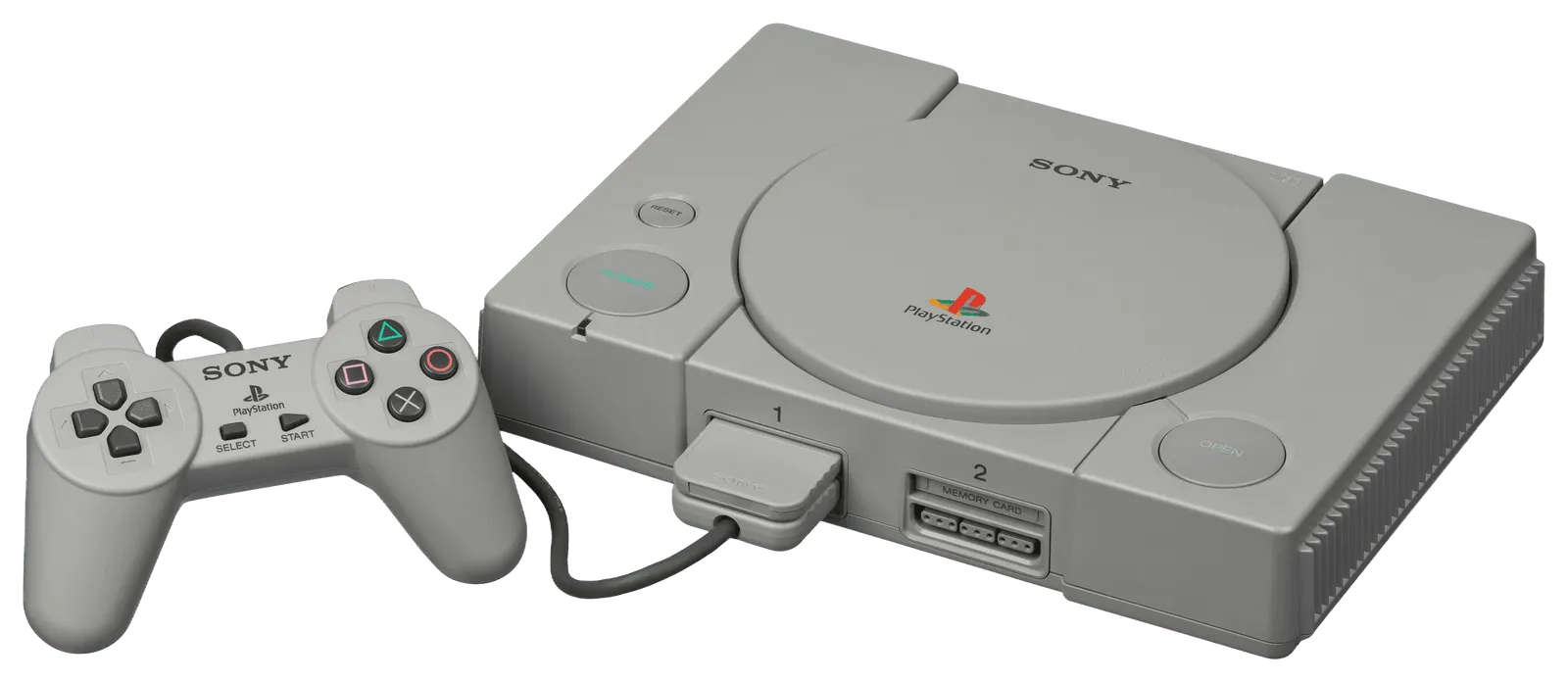
PlayStation · 5th generation
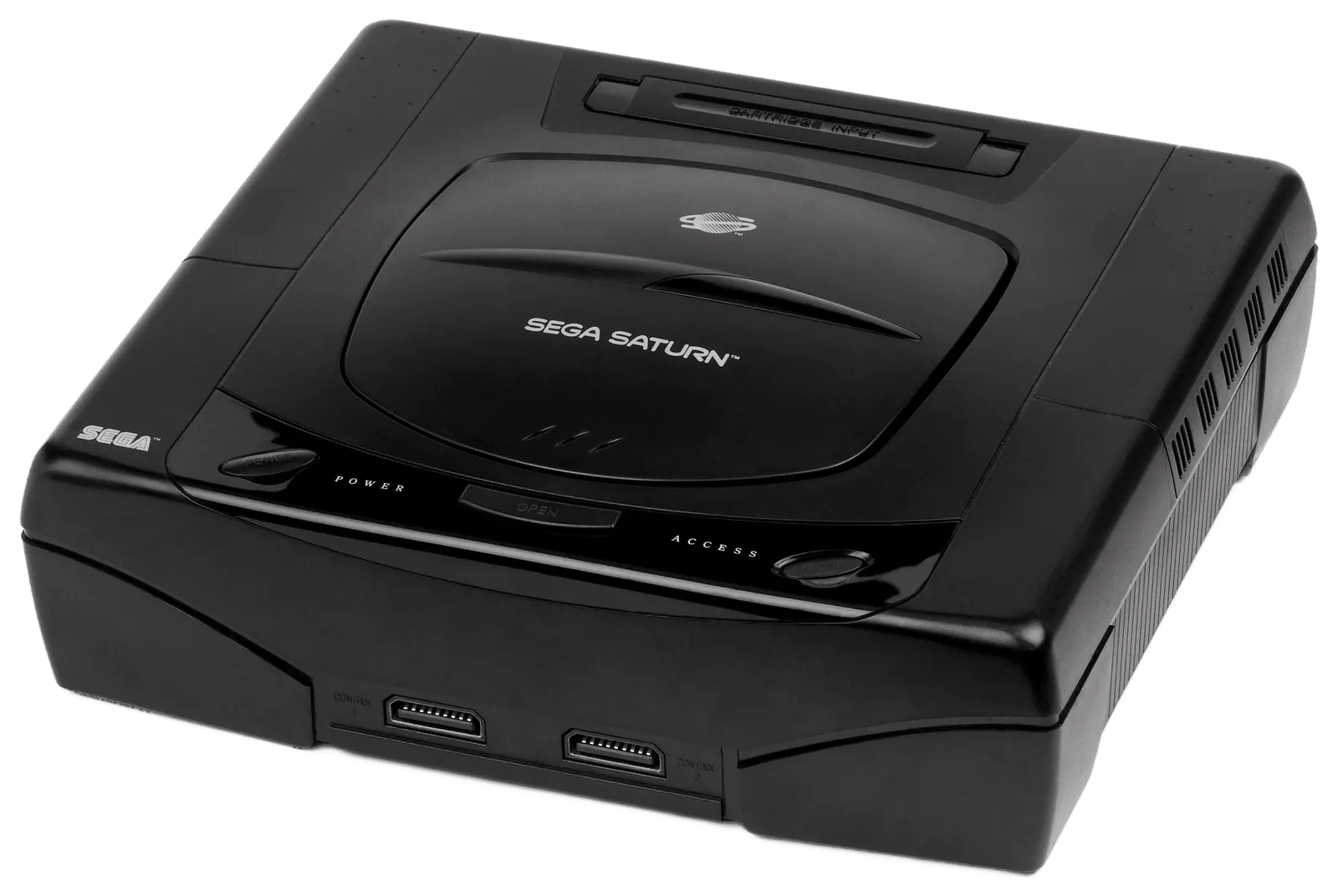
The Saturn, its Sega rival, sold about 9.3 million. The PlayStation sold 102.5 million.
Evan-Amos / Public domain
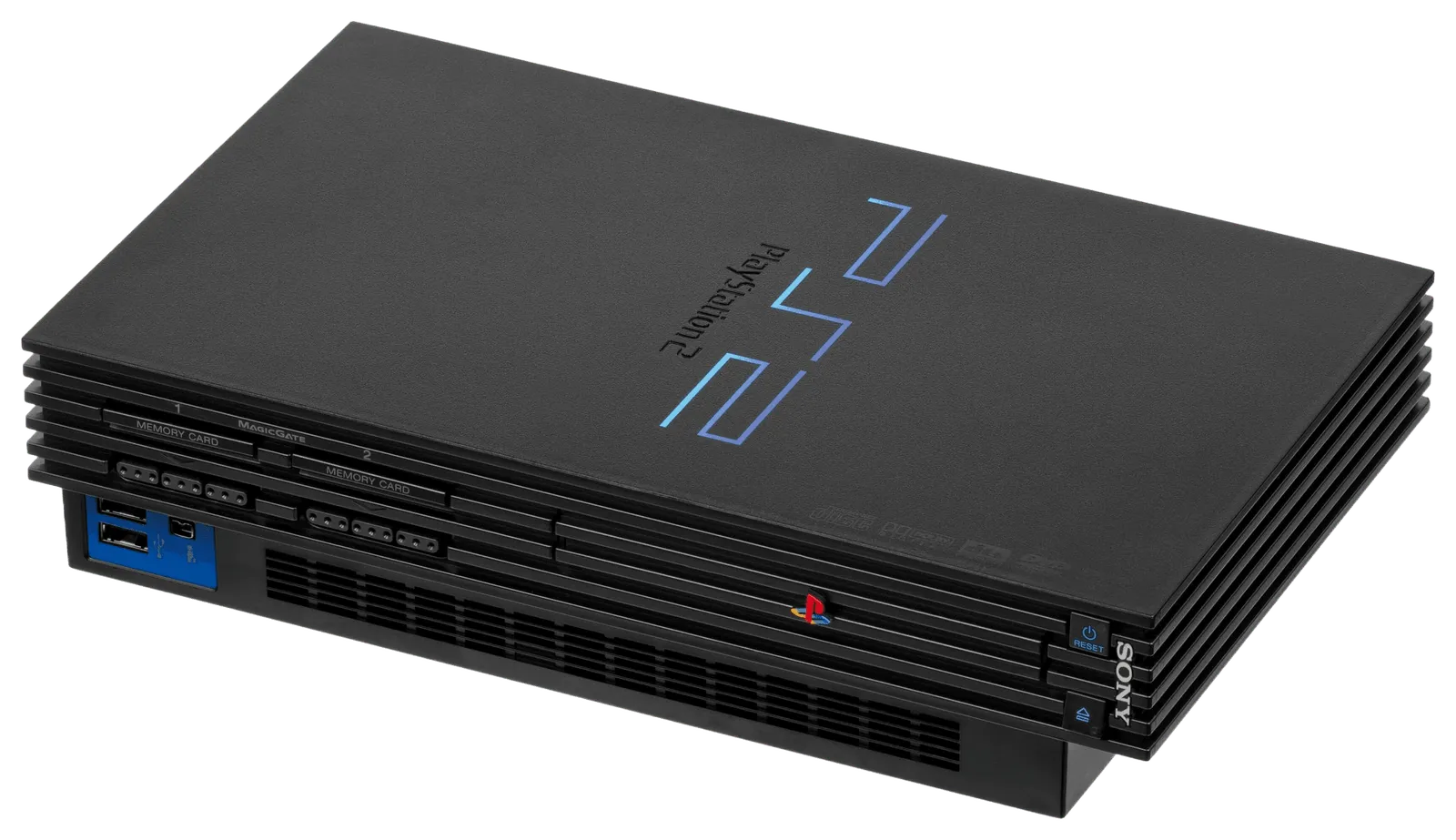
PlayStation 2 · 6th generation
More than 160 million, by Sony’s count. Nothing has sold more.
Evan-Amos / Public domain
Nintendo DS · 7th generation
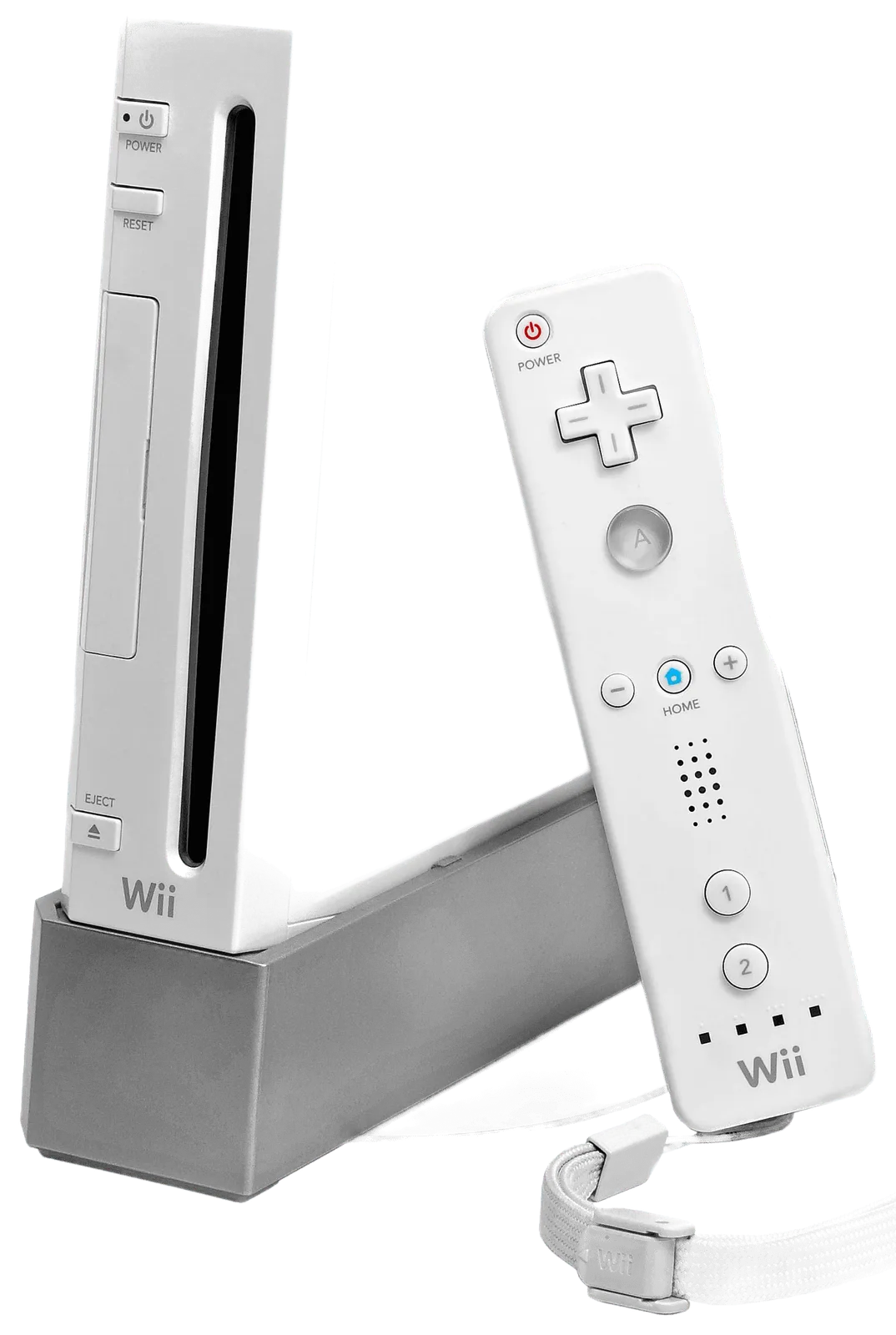
The DS takes the seventh. Among home consoles, the Wii does.
Evan-Amos / Public domain
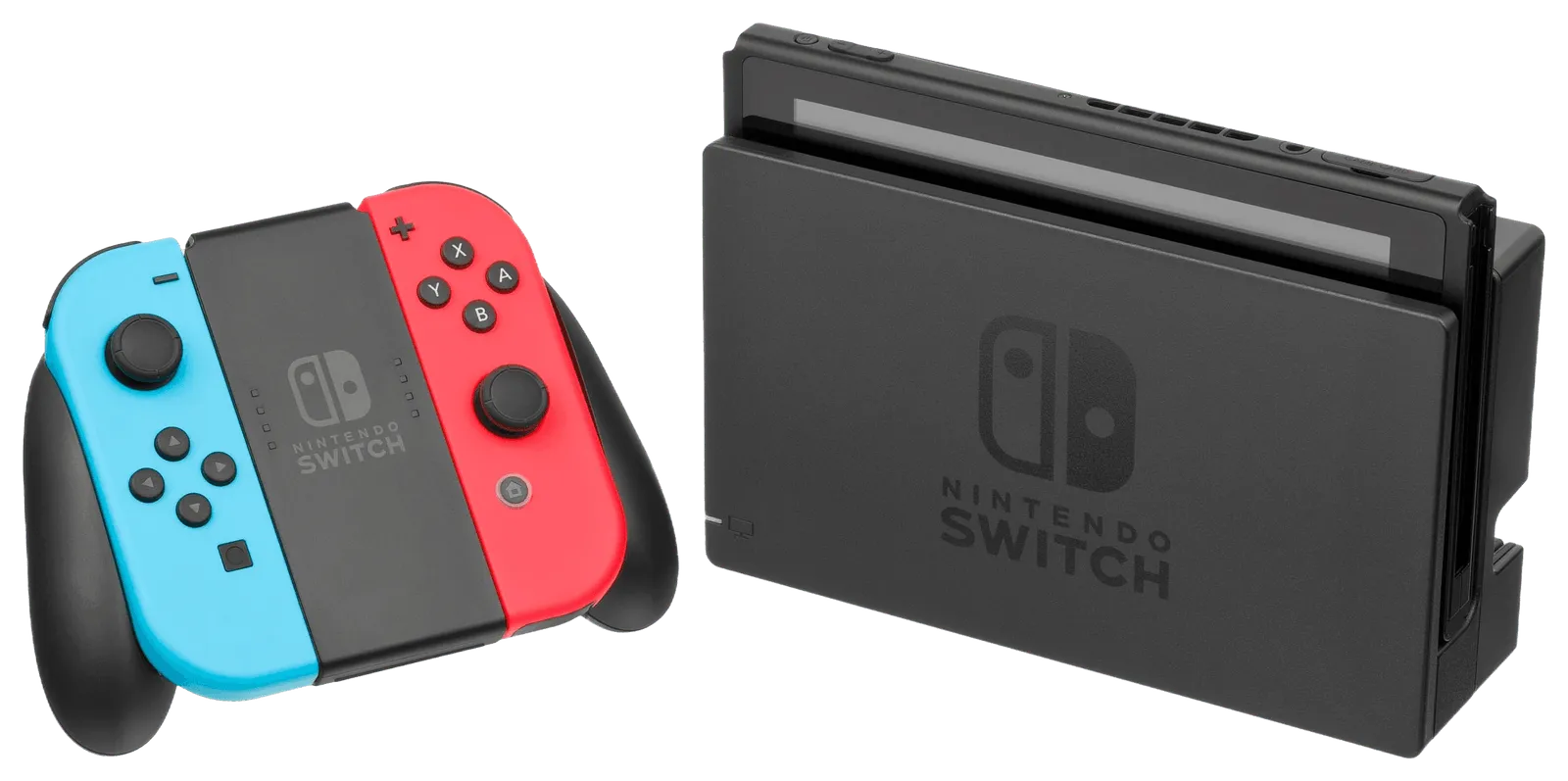
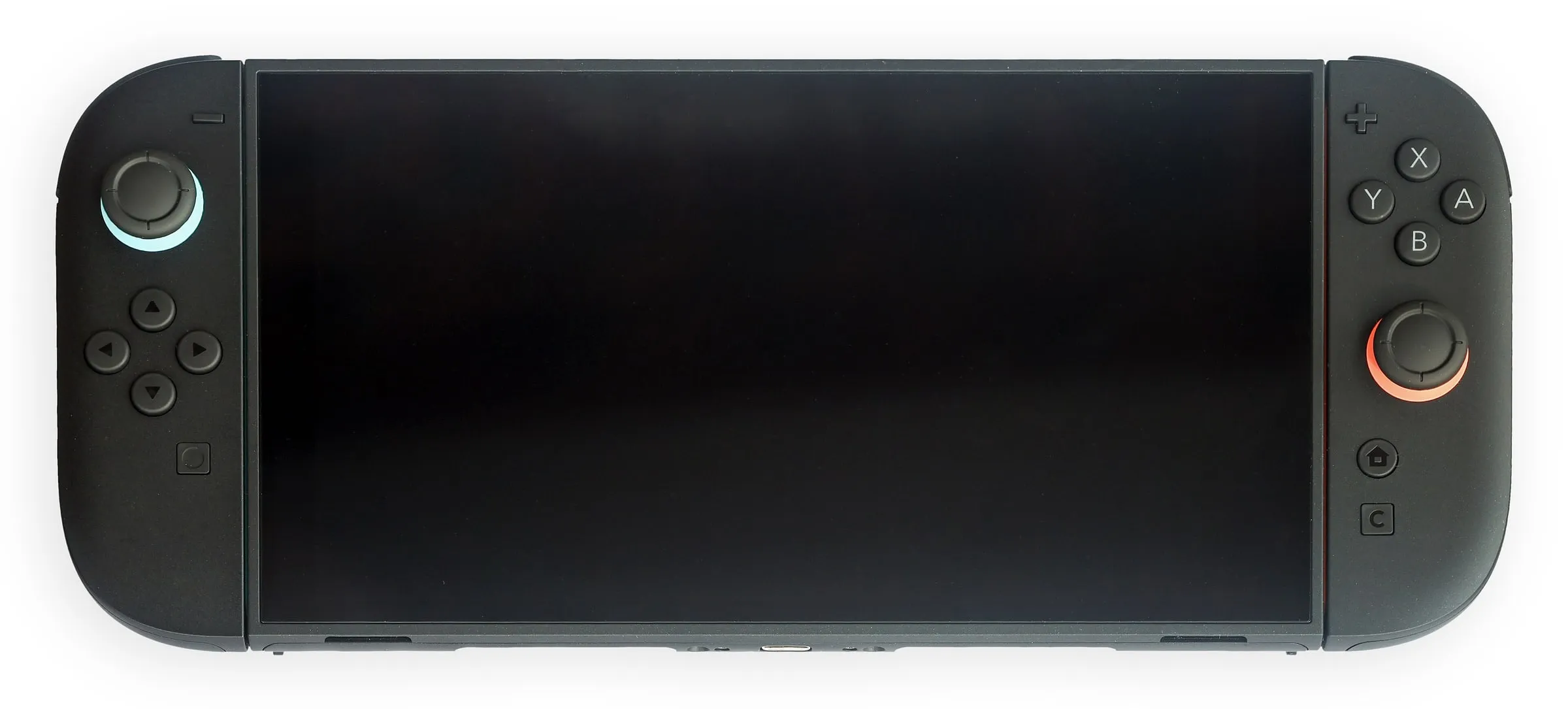
Switch · 8th generation
A hybrid of home and handheld. It passed the DS in the quarter to December 2025. Among home consoles, the PS4 takes the eighth.
Evan-Amos / Public domain
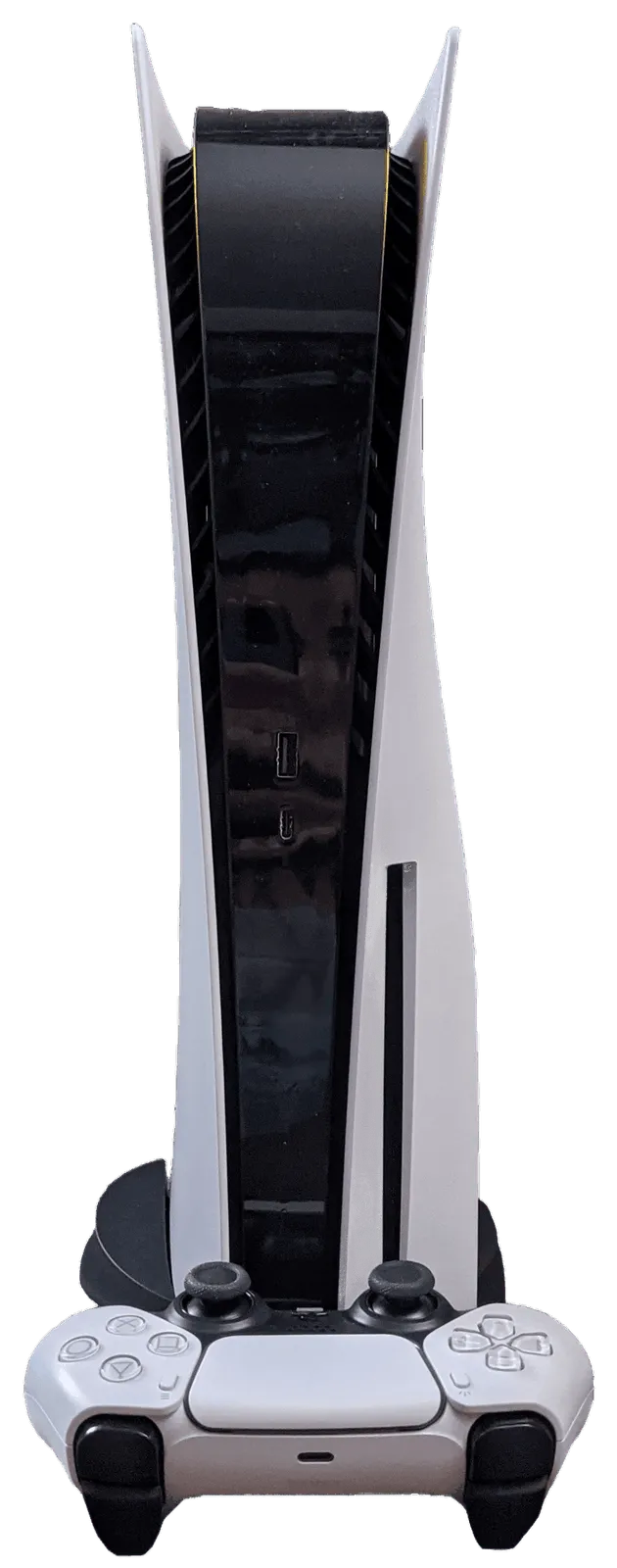
PlayStation 5 · 9th generation
Against about 35 million Xbox Series X|S and 23.68 million Switch 2, so far.
Soberian / CC BY-SA 4.0
Nintendo took the third with the NES, the fourth with the Game Boy, the seventh with the DS and the eighth with the Switch. Sony took the fifth and sixth with the first two PlayStations, and the PS5 leads the ninth by a wide margin so far: 95.3 million against about 35 million Xbox Series X|S and 23.68 million Switch 2. Atari’s 2600 owns the second.
Look at home consoles only and Nintendo still holds the fourth (SNES) and the seventh (Wii). The eighth goes to the PS4, with 117.2 million.
Fig. 2 · Generations
Millions of units, on one scale across all panels. The first generation, with the Odyssey alone in this dataset, is left out.
03 · Sega
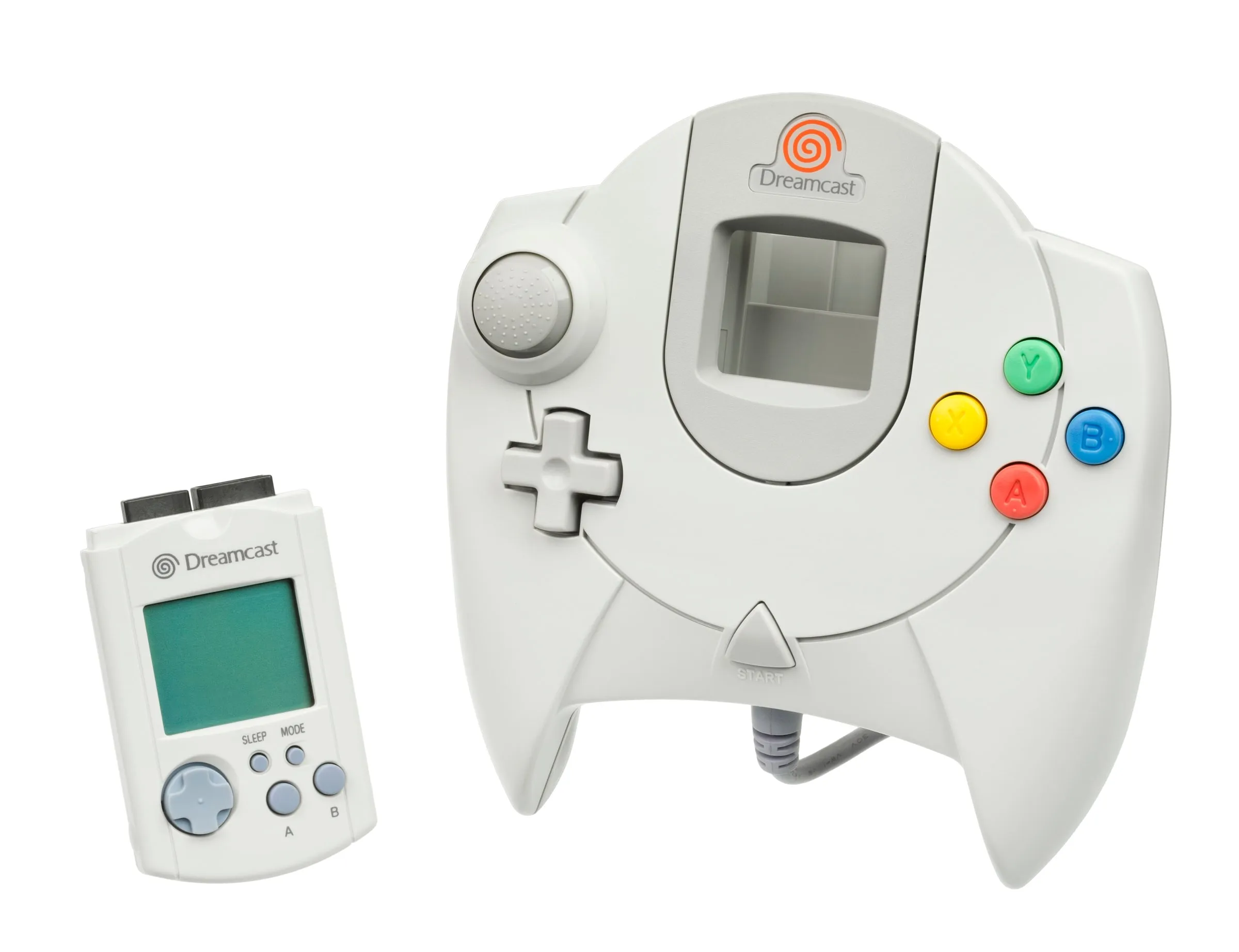
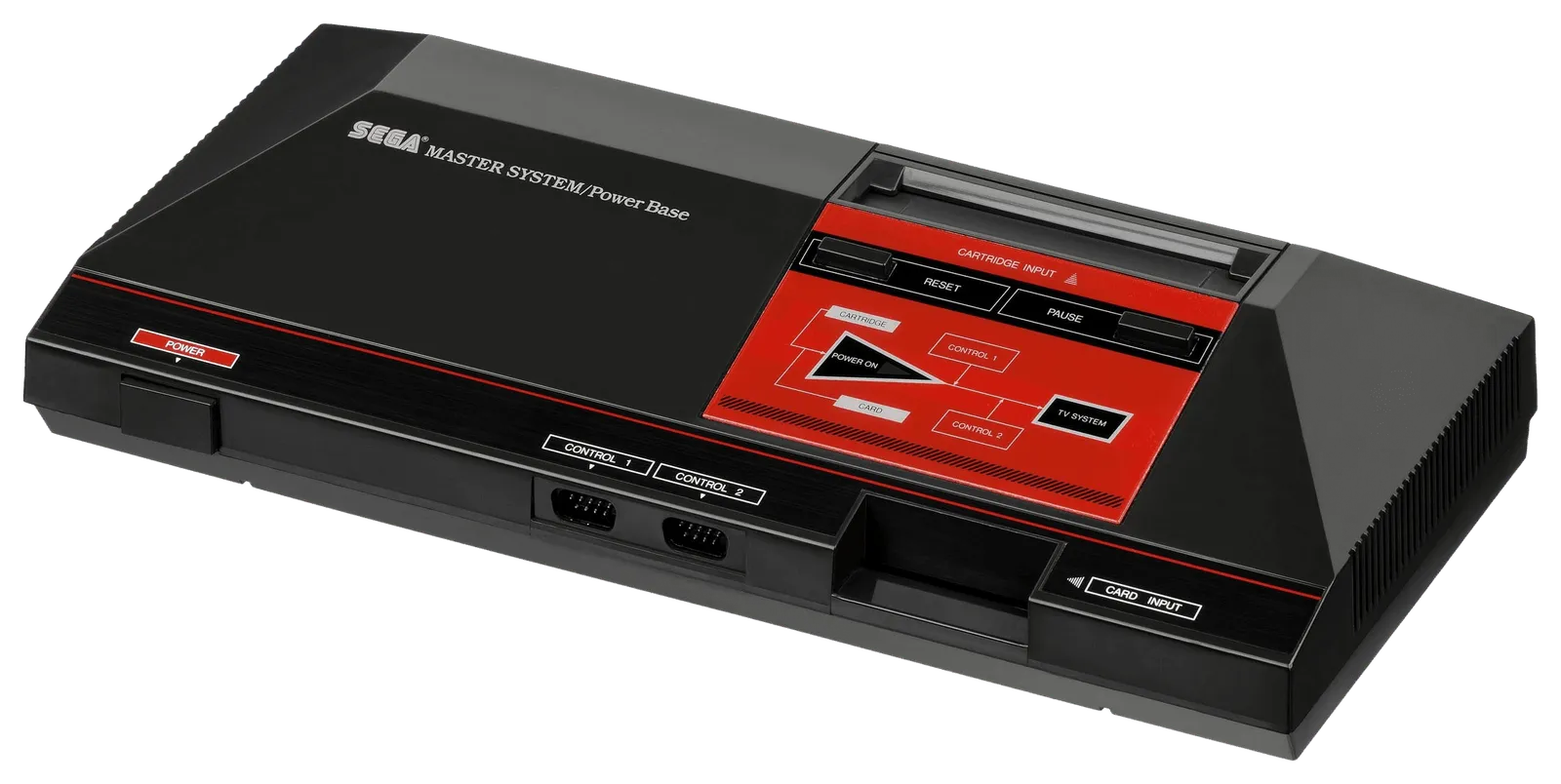
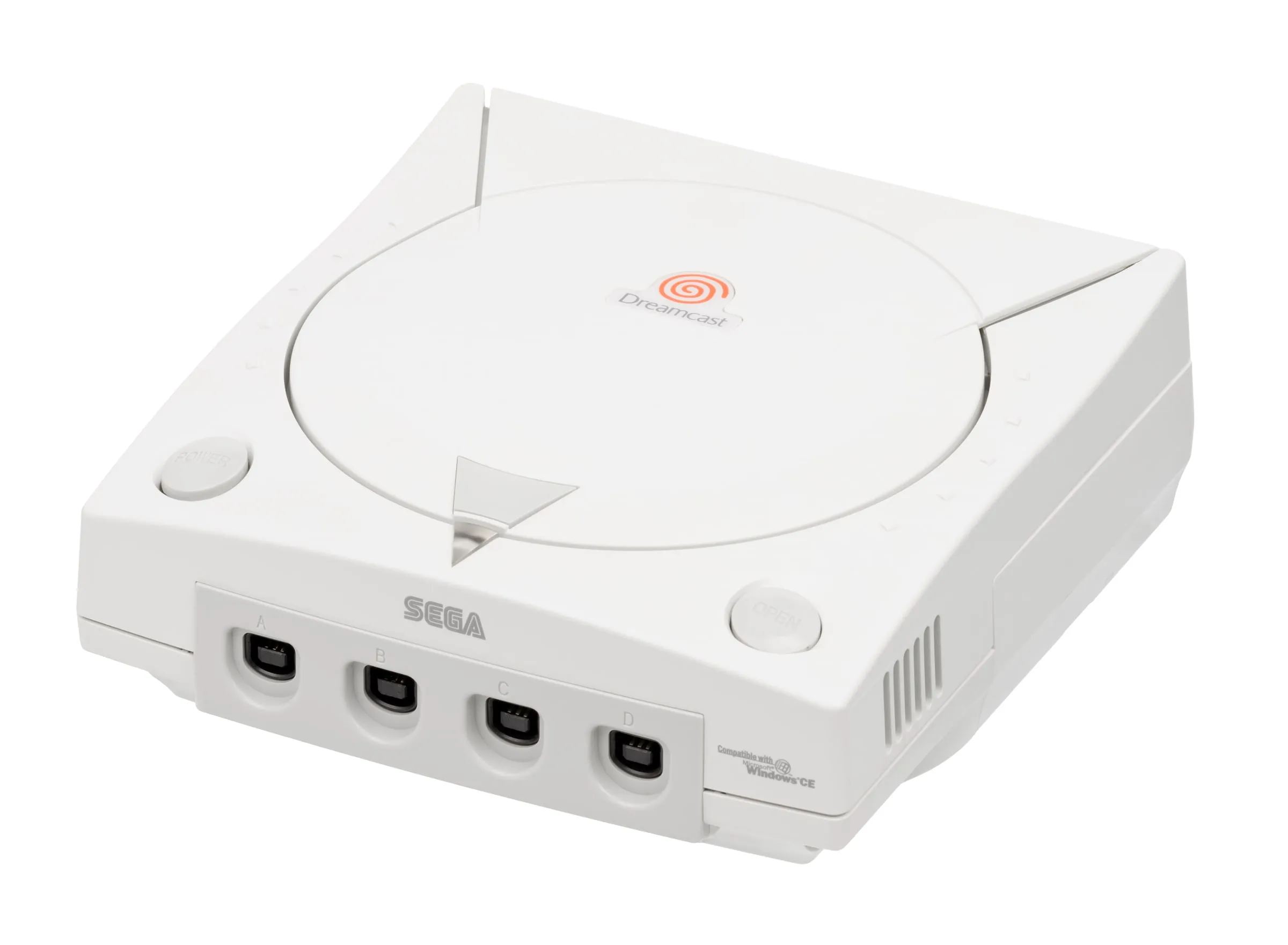
Sega’s first home console, the SG-1000, went on sale in Japan on the same day as Nintendo’s Famicom in July 1983. Its last was the Dreamcast. In between, Sega always sold fewer machines than the leader of its generation.
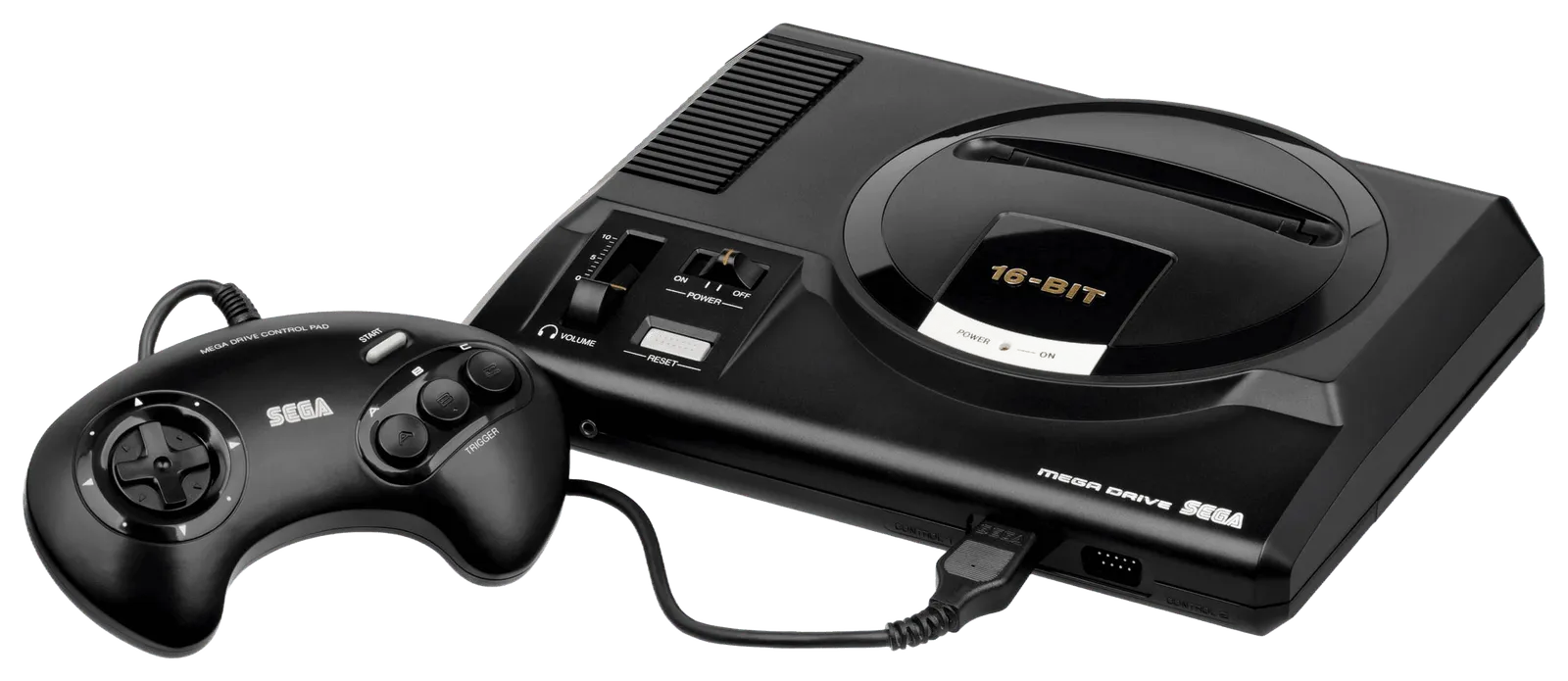
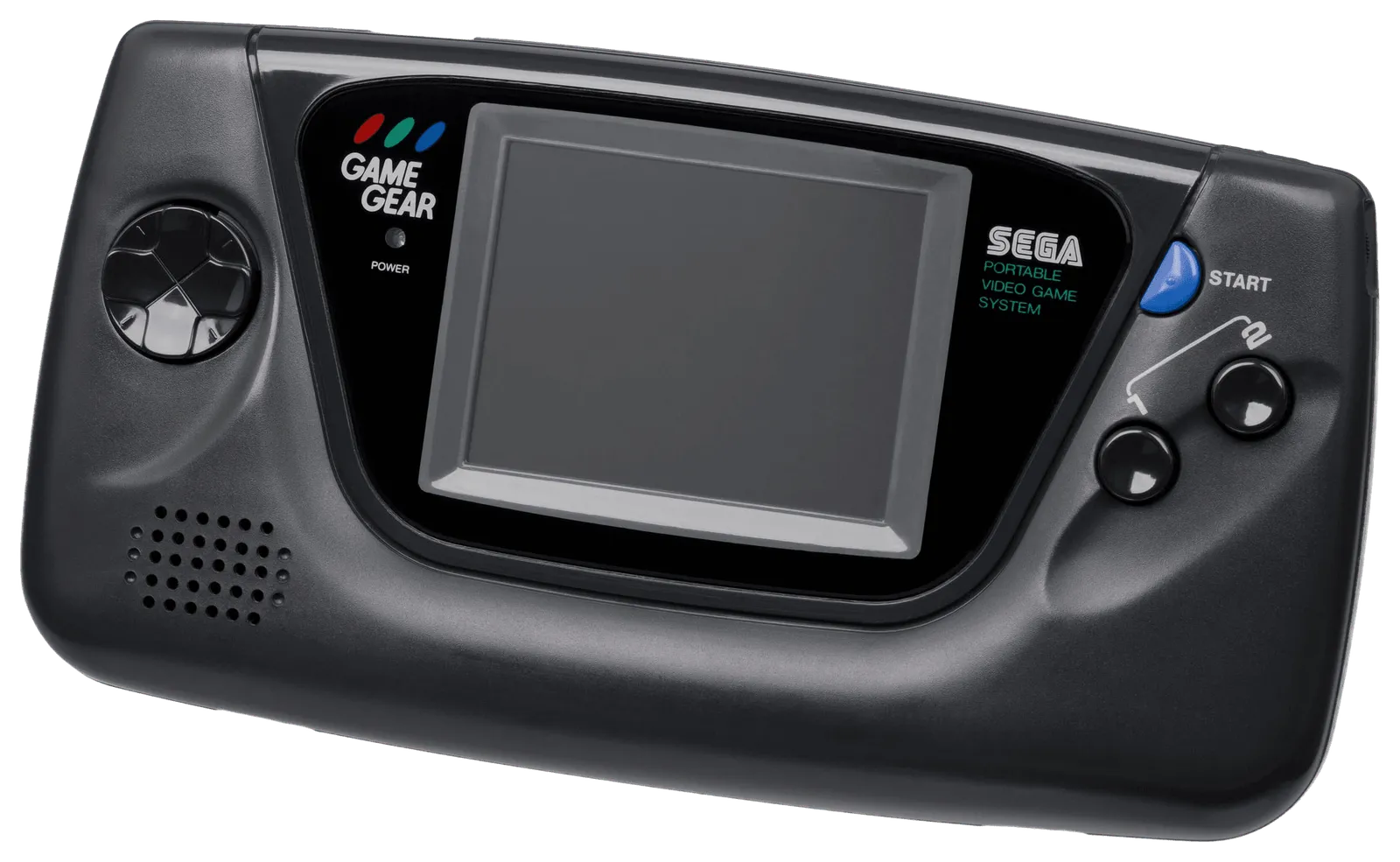
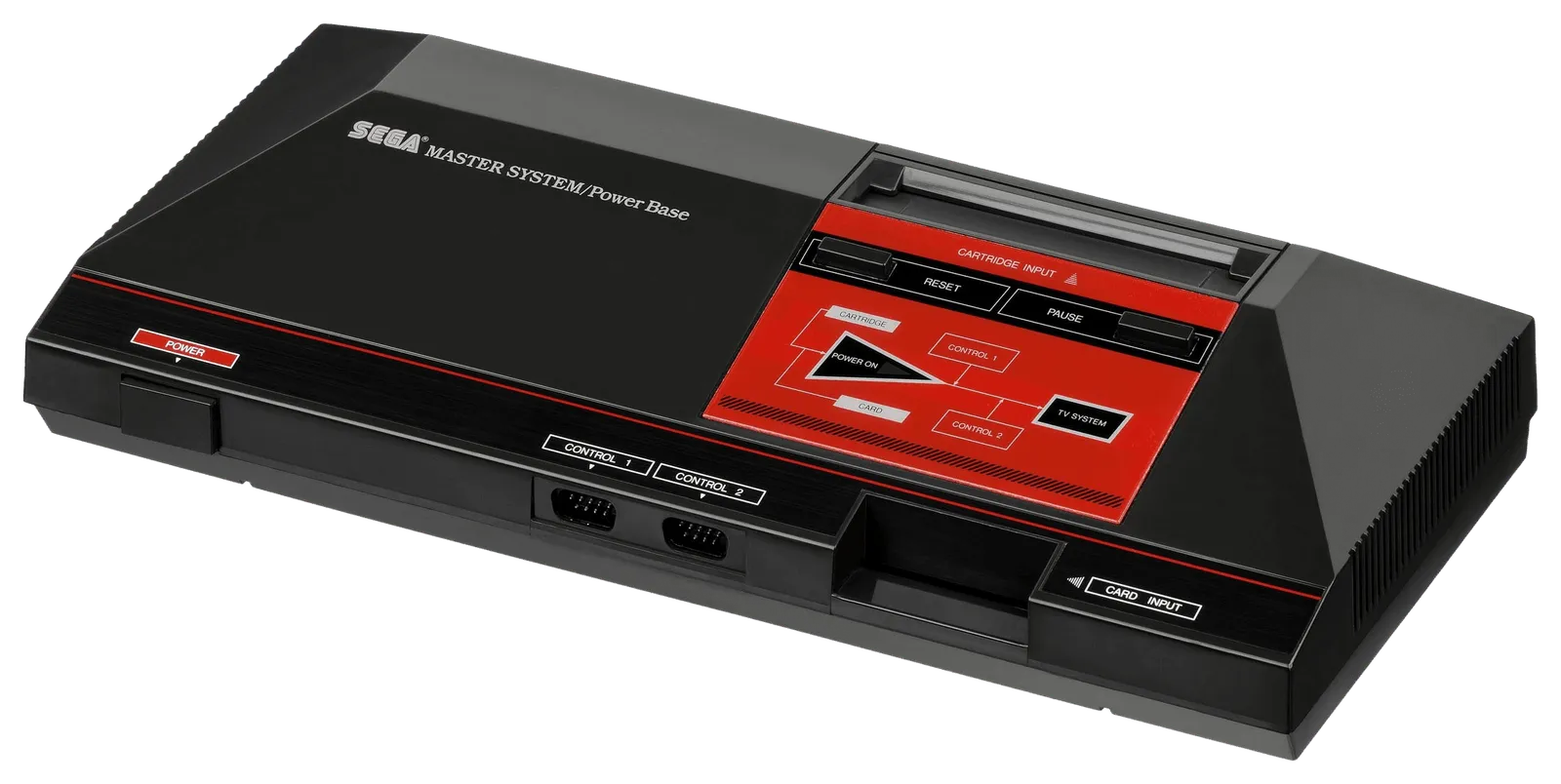
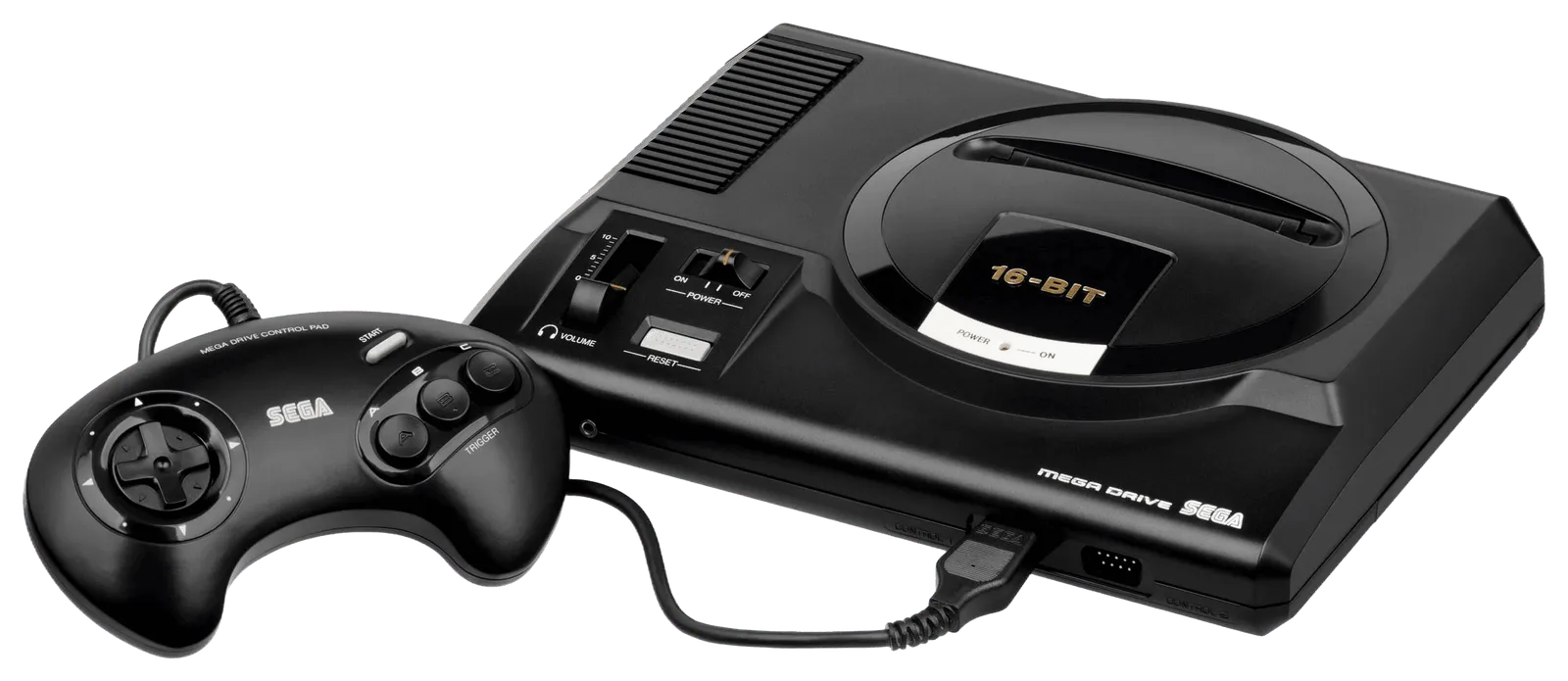
Sega’s machines from the Master System to the Dreamcast, with how each did against the best-seller it faced.
The Mega Drive, sold as the Genesis in North America, came closest. At about 30.75 million it reached roughly 63% of the Super NES. After that the gap became a gulf. The Saturn sold about 9.3 million against the PlayStation’s 102.5 million. The Dreamcast, launched in Japan in November 1998, sold about 9.1 million. The PS2 has sold at least 17 times as many.
Fig. 3 · Sega
Lifetime units, millions, with Sega’s share of the rival’s total.
21%of the NES
63%of the SNES
9%of the Game Boy
9%of the PlayStation
6%of the PS2
At the end of January 2001 Sega said it would stop making the Dreamcast and publish games for other companies’ hardware. Production ended on 31 March 2001. Sega has made games for its former rivals ever since.
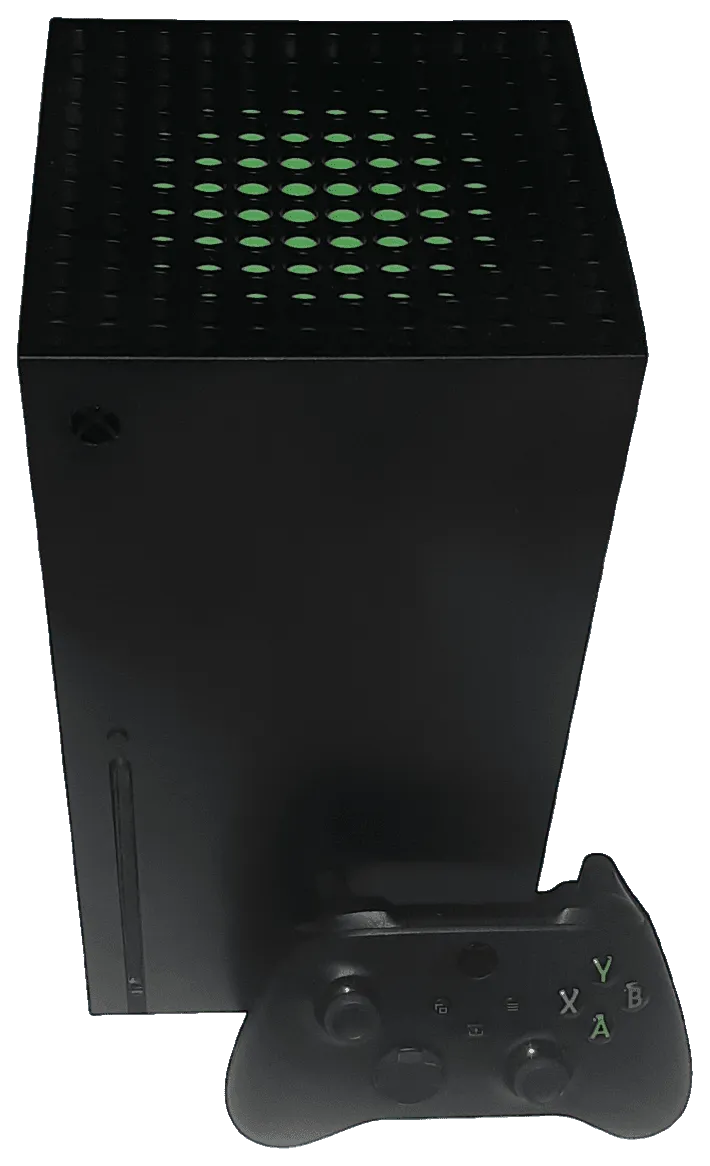
04 · Microsoft
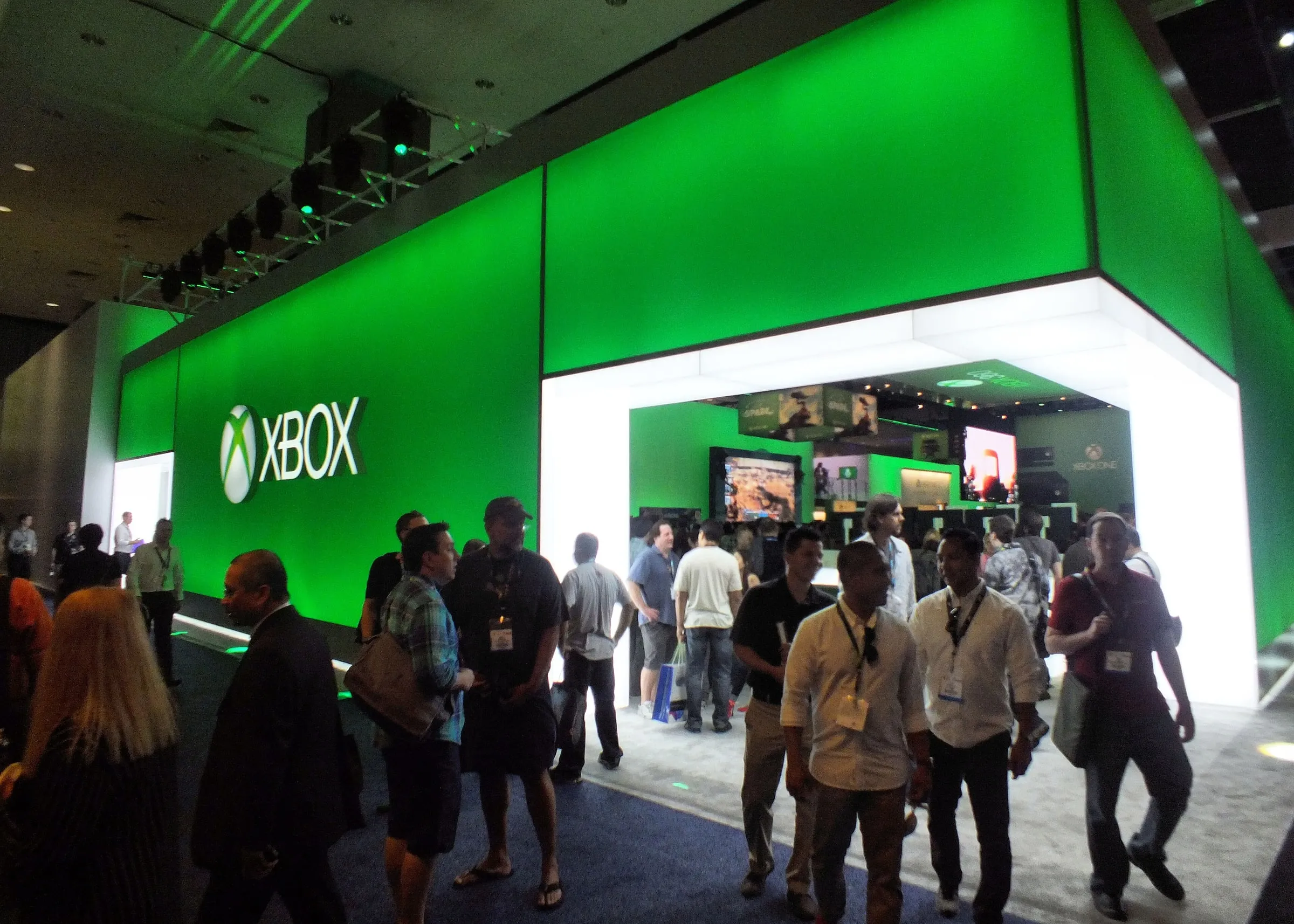
The Xbox stand at E3, 2013. - EMR - / CC BY 2.0
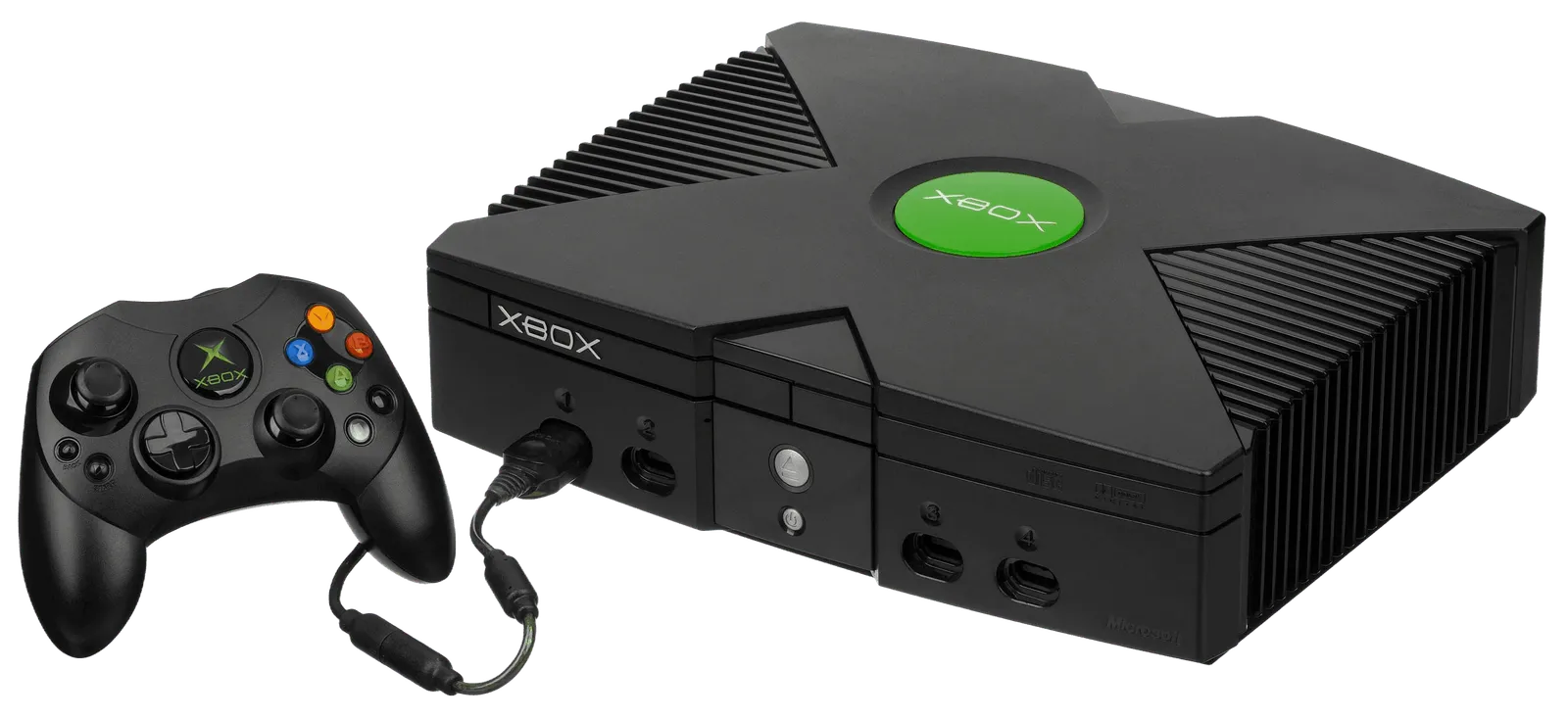
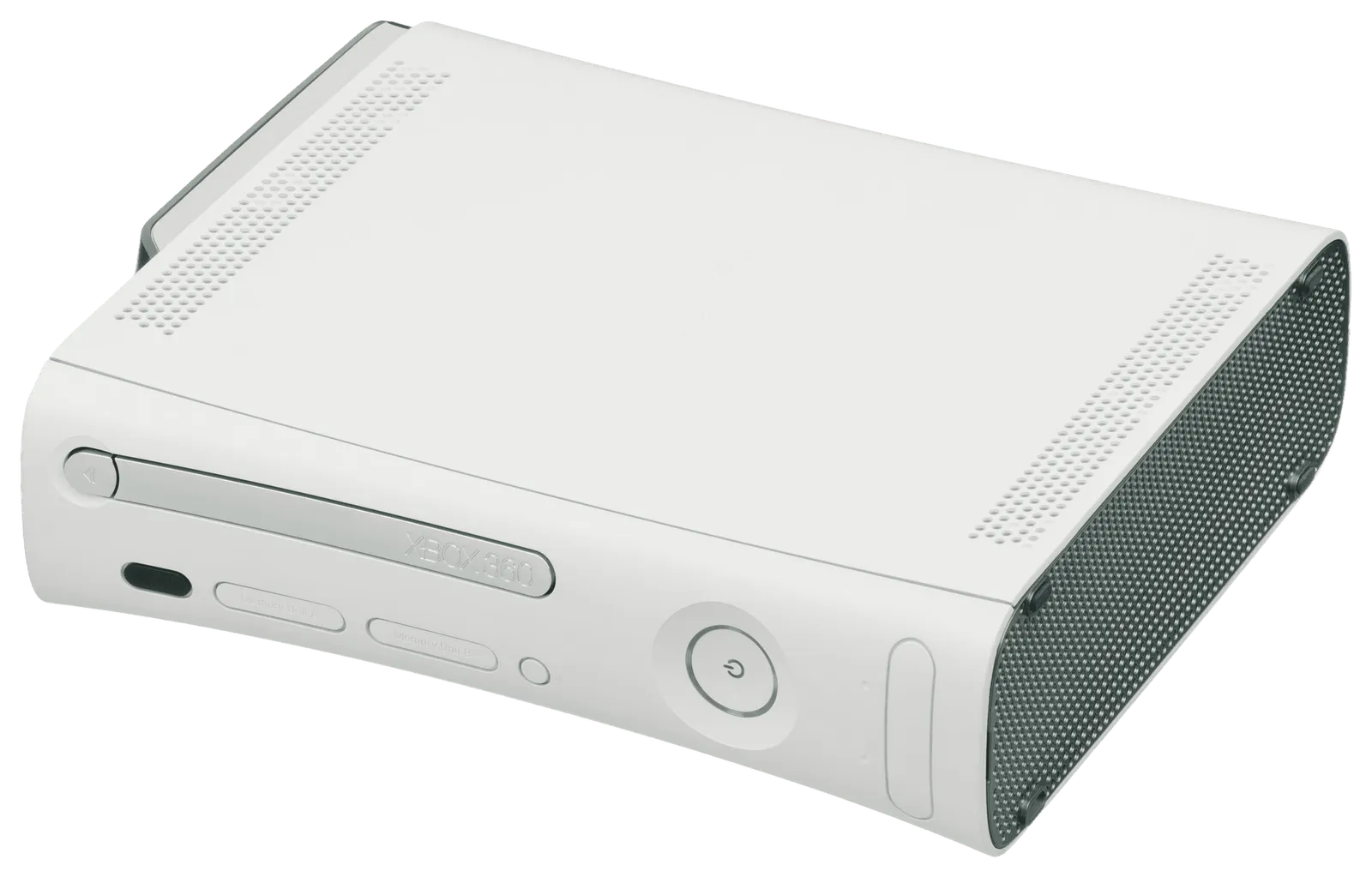
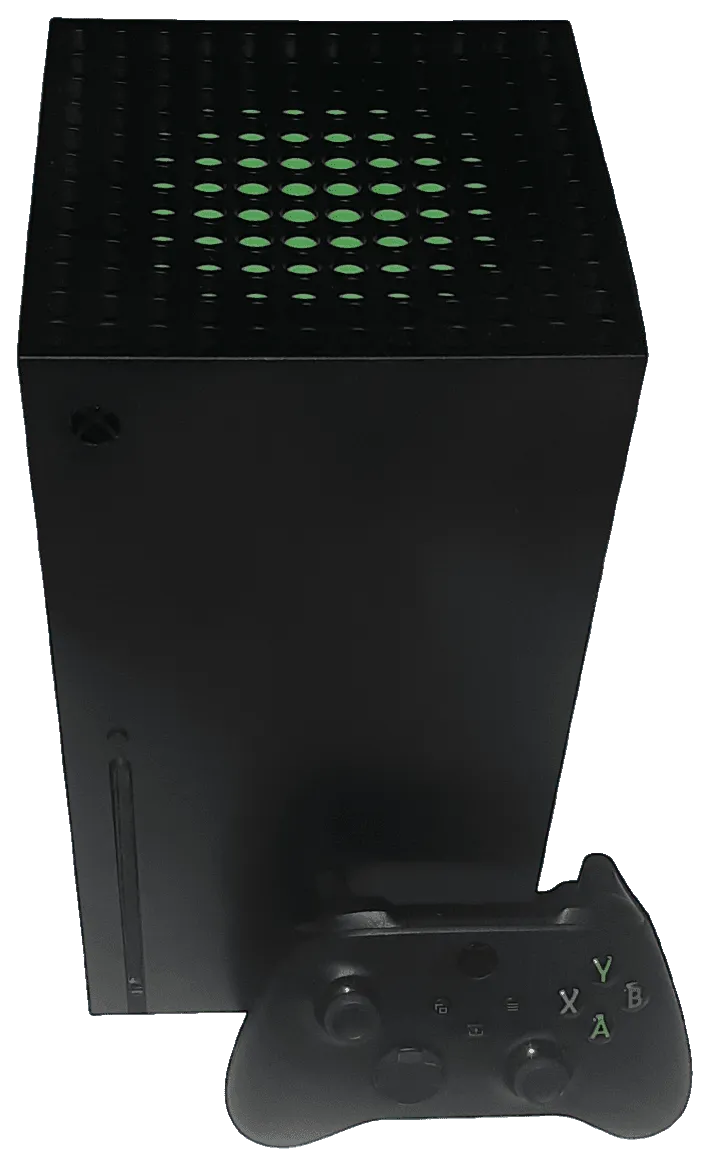
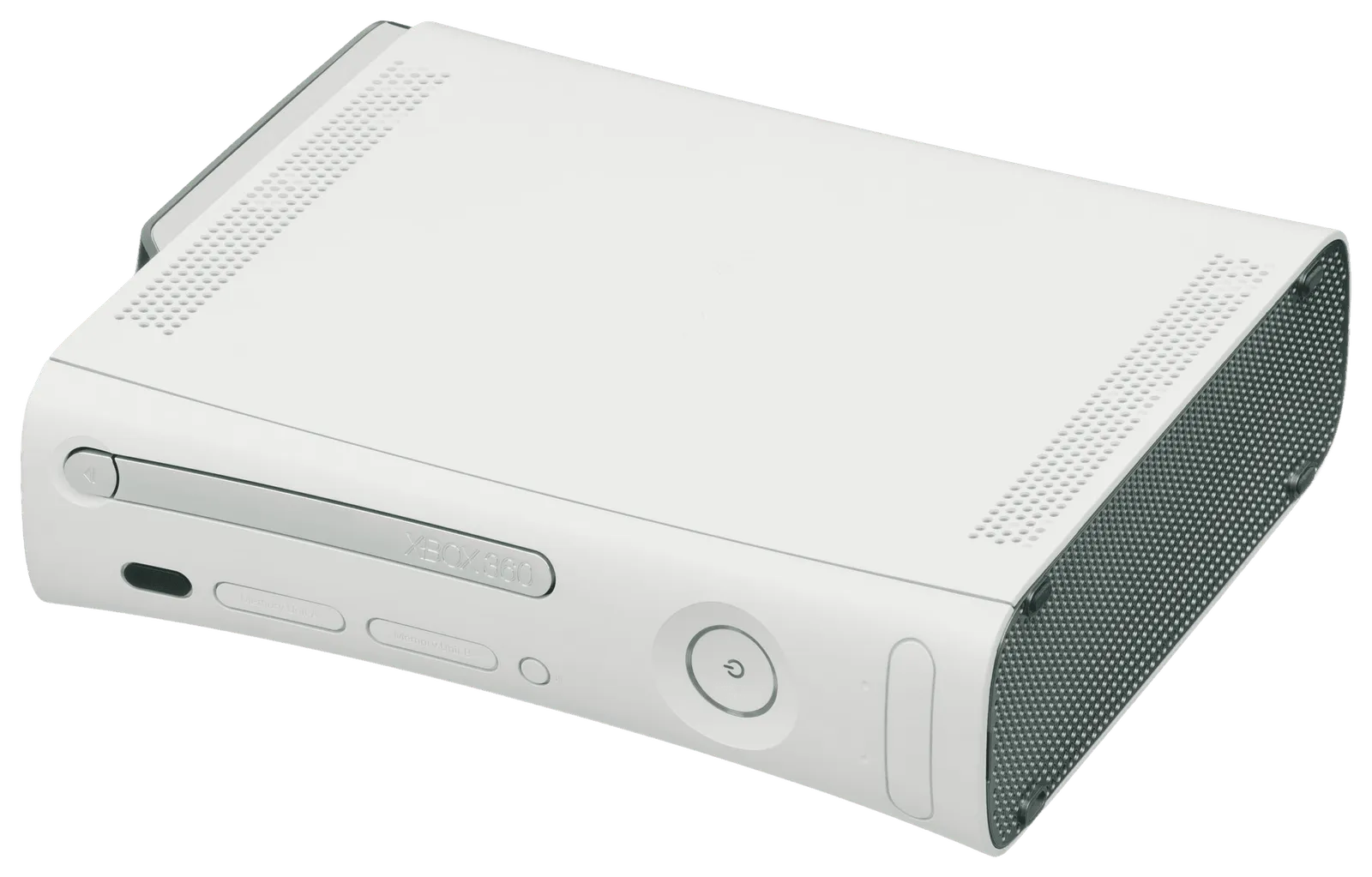
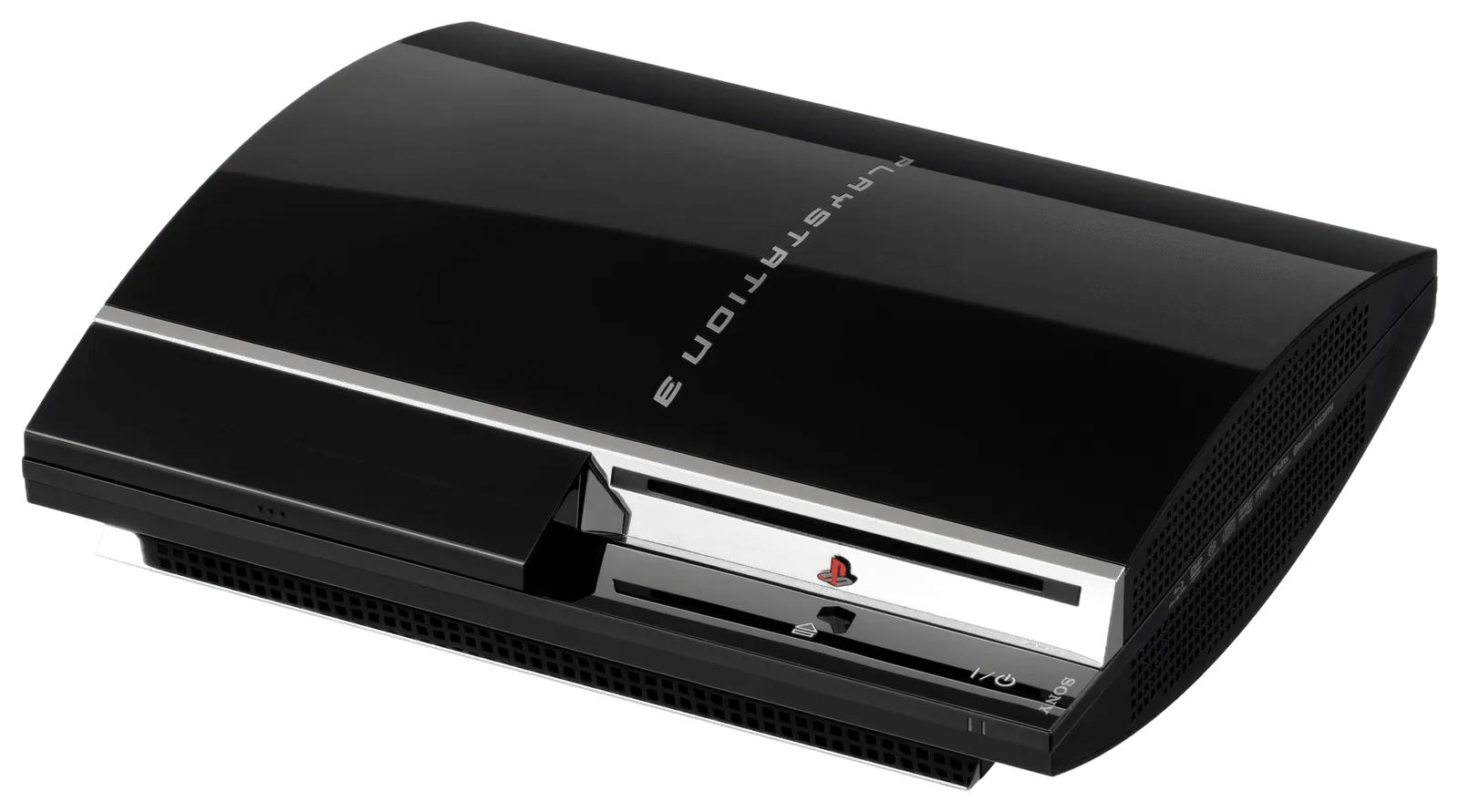
Microsoft arrived in 2001 with the Xbox, which sold 24 million: about 15 for every 100 PS2s. Its second try nearly drew level. By June 2014 the Xbox 360 had sold 84 million. The PS3 finished on 87.4 million.
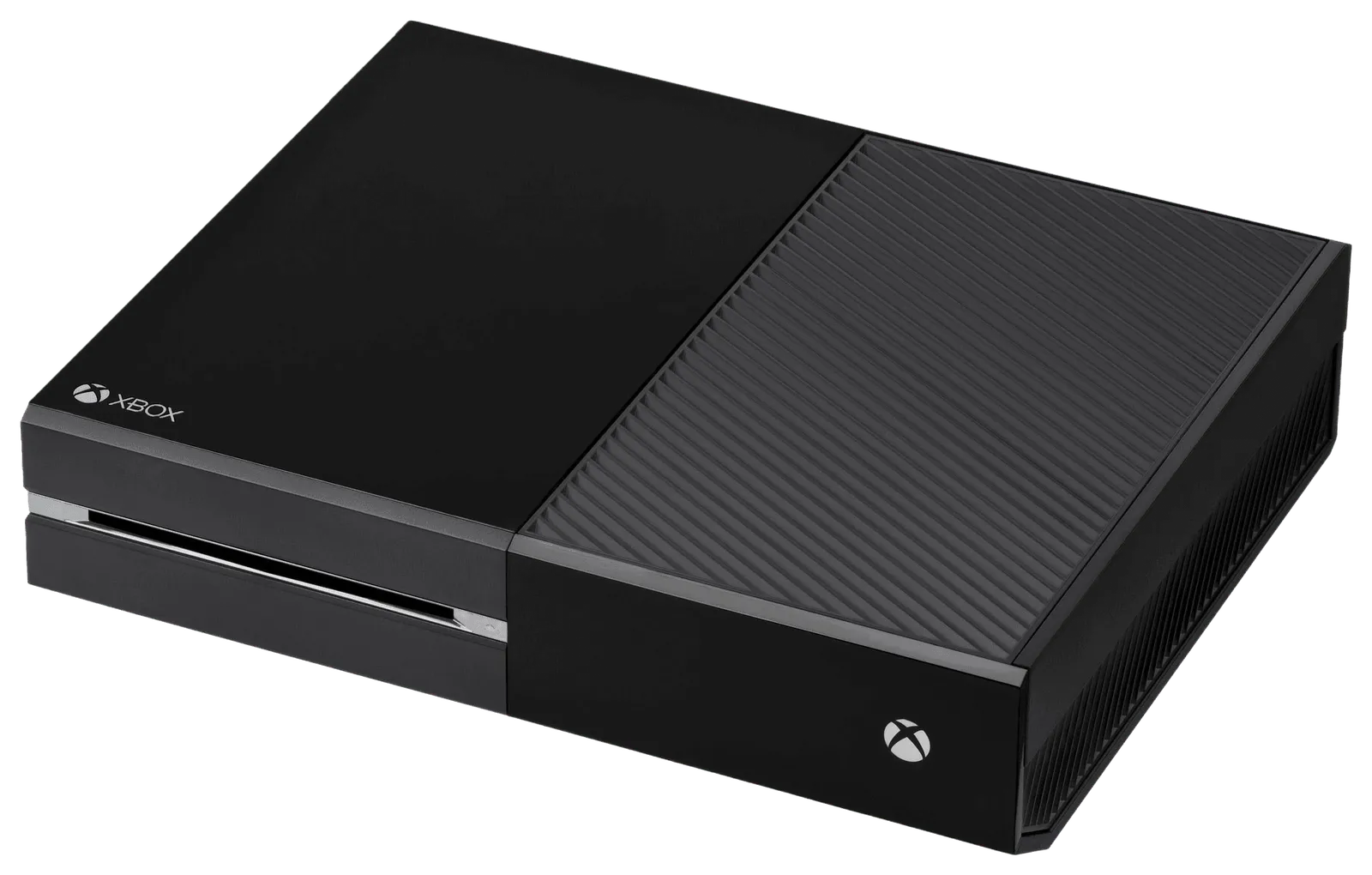
Lifetime units. The last two are estimates.
Microsoft’s last Xbox One figure was 10 million shipped, in November 2014. It has published no console sales since, so the numbers come sideways. In a 2022 regulatory filing Microsoft said the Xbox One had sold less than half as many as the PS4, which puts it under 58.6 million; a 2023 Microsoft presentation in Brazil implied about 58 million. Xbox Series X|S had sold about 35 million by mid-2026, around 37 for every 100 PS5s.
Fig. 4 · Xbox
Units, Xbox ÷ PlayStation × 100. 100 would be parity. ~ marks an estimated Xbox total.
| Xbox | 24 | PS2 | 160 | 6th gen | 15 |
|---|---|---|---|---|---|
| Xbox 360 | 84 | PS3 | 87 | 7th gen | 96 |
| Xbox One | 58 | PS4 | 117 | 8th gen | ~49 |
| Series X|S | 35 | PS5 | 95 | 9th gen, so far | ~37 |
Xbox hardware revenue fell 29% in Microsoft’s 2026 financial year, which ended in June. Prices went the other way. The Series X launched at US$499 in November 2020. After rises in May 2025, October 2025 and August 2026 it costs US$799.99.
05 · Launch prices
Adjusted for inflation, the dearest consoles were not the famous ones.
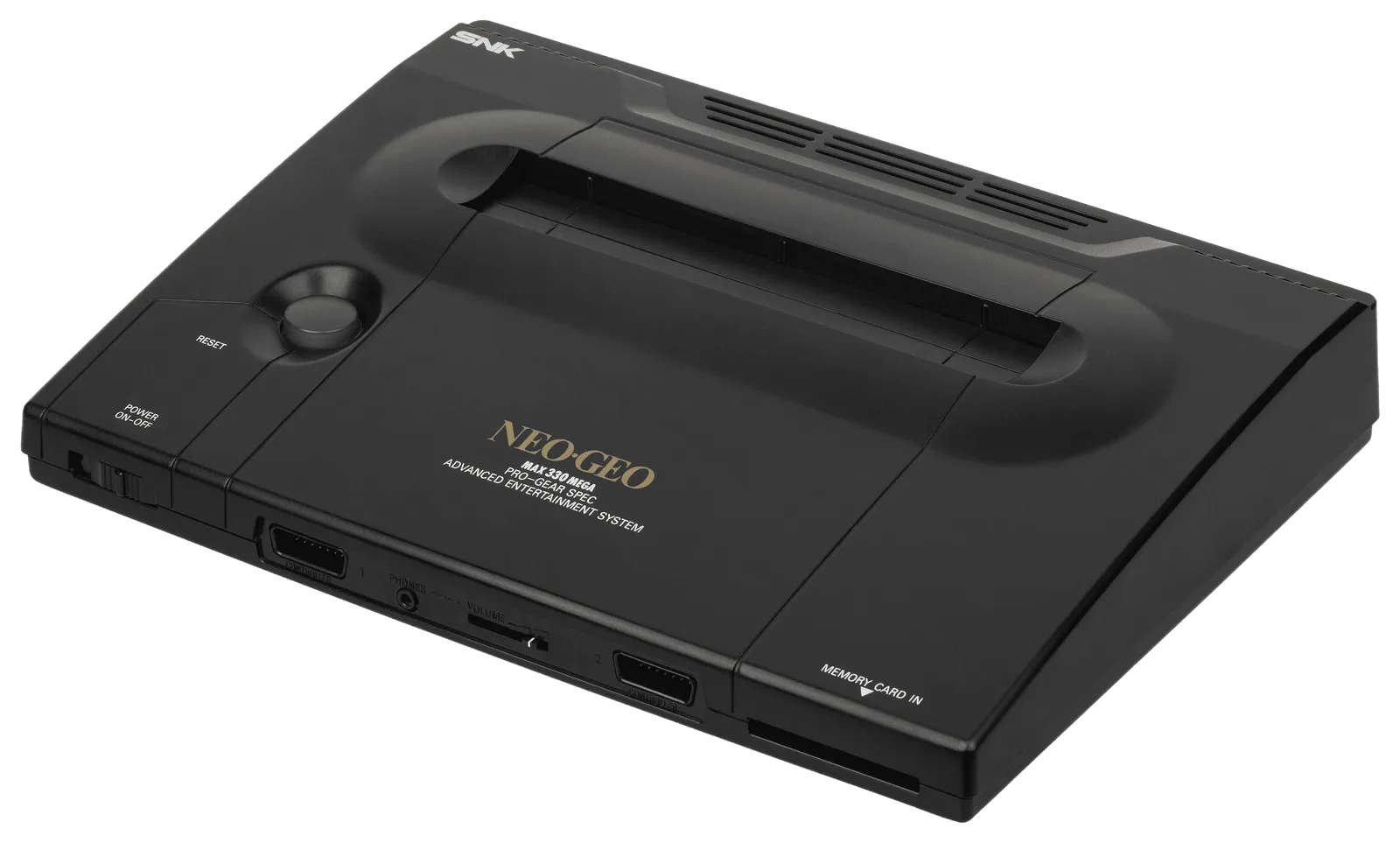
Adjusted for inflation with the US consumer price index (CPI-U), the most expensive launch in this dataset is SNK’s Neo Geo AES. Its Gold System cost US$649.99 at its US debut in 1990, about US$1,676 in September 2026 dollars. The 3DO followed in 1993 at US$699.99, about US$1,632. They sold like luxury goods: about 410,000 Neo Geo home consoles and around two million 3DOs.
Six of the dearest launches, adjusted for inflation to September 2026 US dollars.
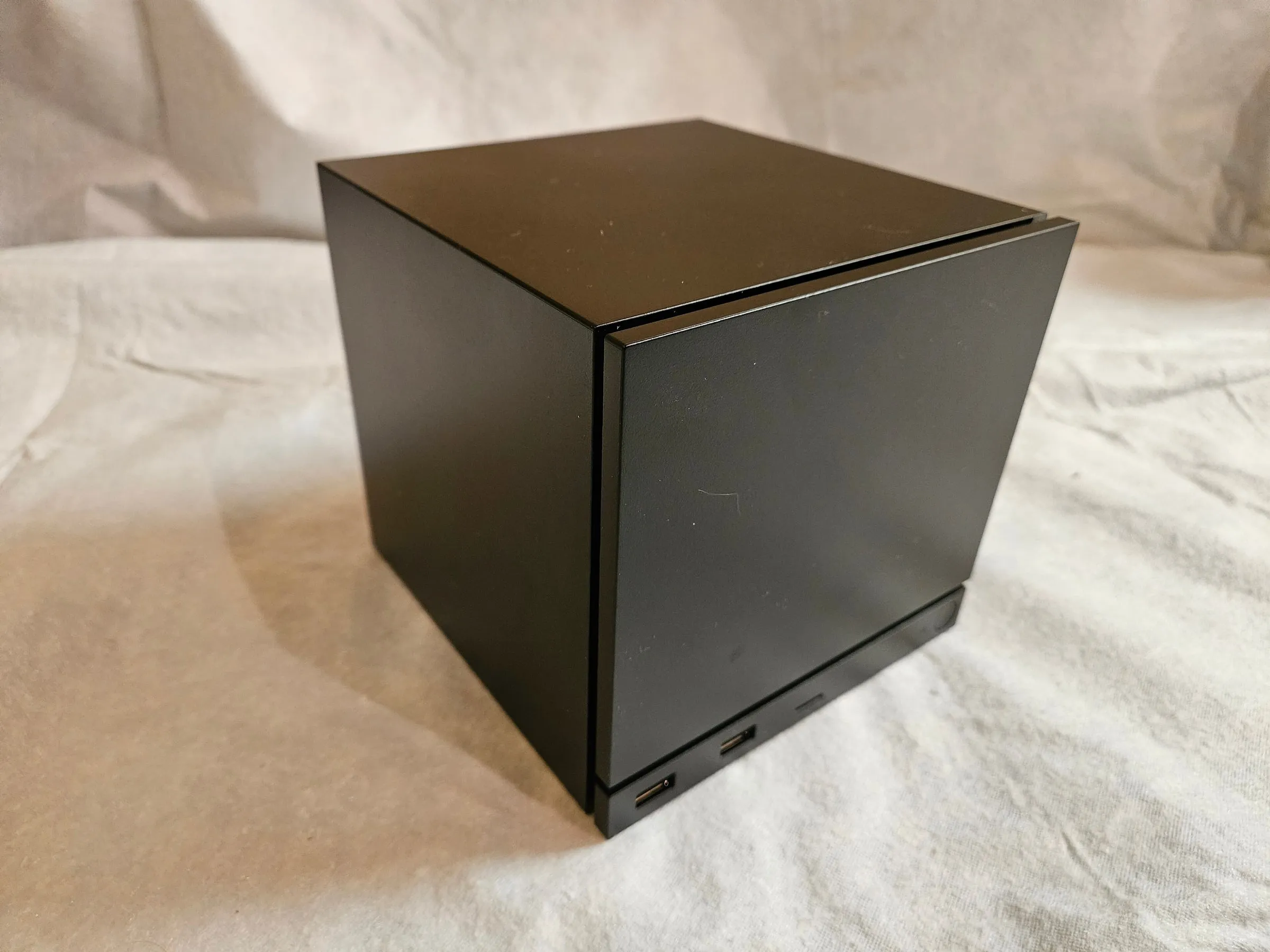
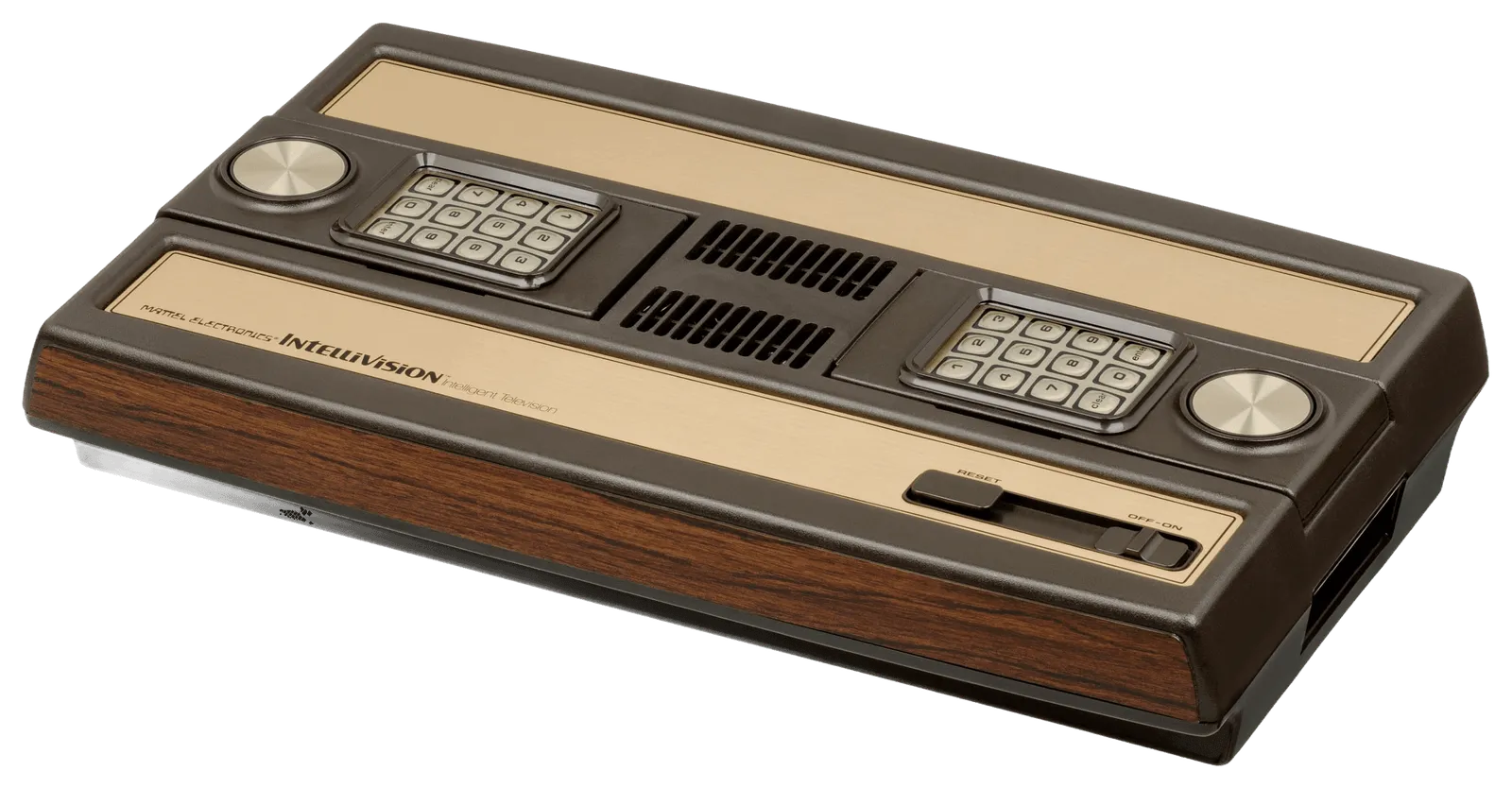
The PS3 is the famous expensive launch. The 60GB model cost US$599 in November 2006, about US$1,001 now; the 20GB model was US$499, about US$834. The first consoles were dear too. The Atari 2600 was US$199 in 1977 and the Intellivision US$299 in 1980, about US$1,106 and US$1,223 today.
Fig. 5 · Launch prices
Dot: cheapest model at launch. Line: up to the dearest model sold at launch. US$, by year of US launch.
| Odyssey | 1972 | $100 | – | $806 | – |
|---|---|---|---|---|---|
| Atari 2600 | 1977 | $199 | – | $1,106 | – |
| Intellivision | 1980 | $299 | – | $1,223 | – |
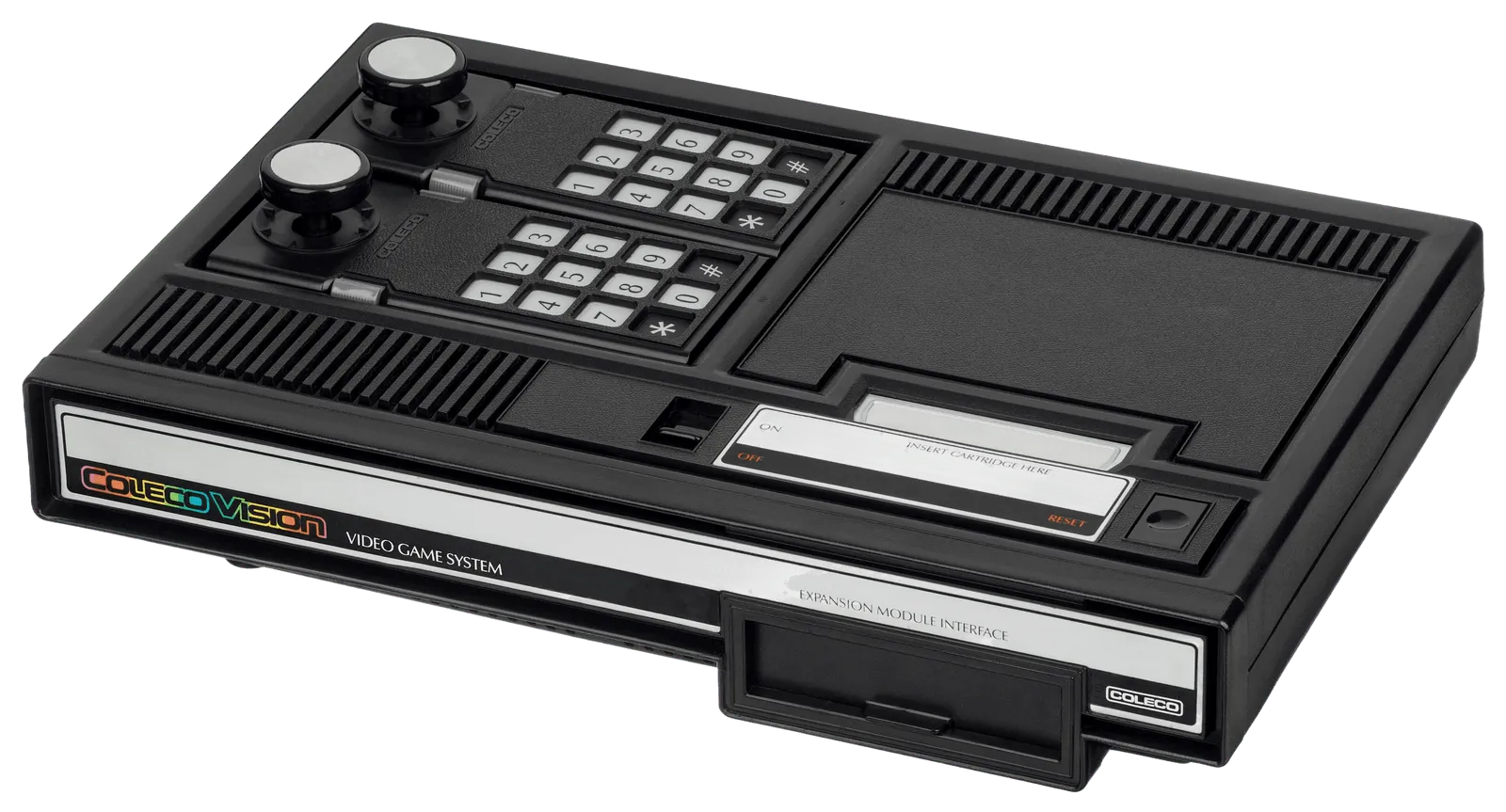
| ColecoVision | 1982 | $175 | – | $611 | – |
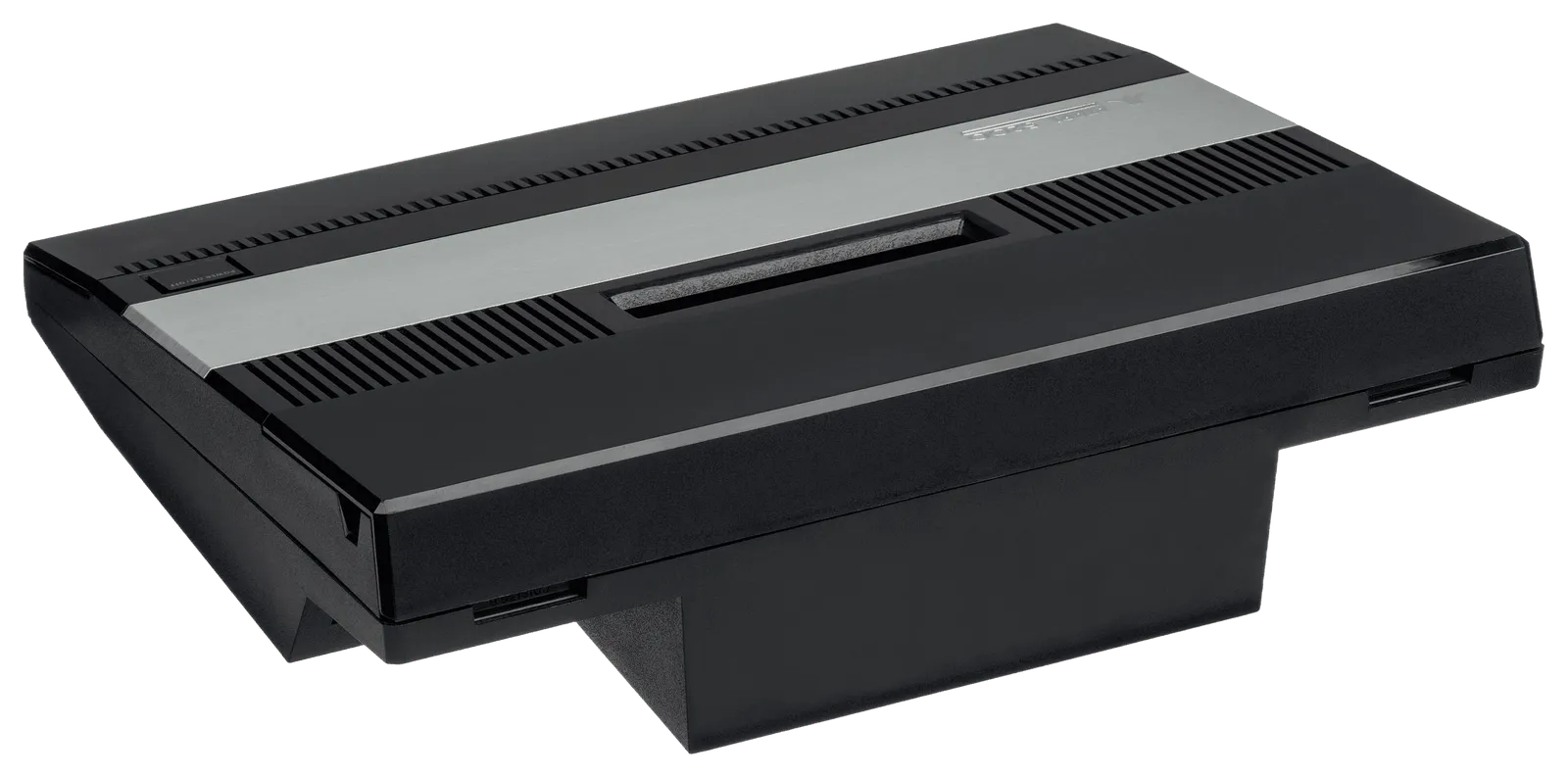
| Atari 5200 | 1982 | $269 | – | $939 | – |
| NES | 1985 | $180 | – | $564 | – |
| Master System | 1986 | $199 | – | $612 | – |
| PC Engine | 1989 | $200 | – | $543 | – |
| Mega Drive | 1989 | $190 | – | $516 | – |
| Game Boy | 1989 | $90 | – | $245 | – |
| Lynx | 1989 | $180 | – | $489 | – |
| Neo Geo | 1990 | $650 | – | $1,676 | – |
| Game Gear | 1991 | $150 | – | $371 | – |
| SNES | 1991 | $200 | – | $495 | – |
| 3DO | 1993 | $700 | – | $1,632 | – |
| Jaguar | 1993 | $250 | – | $583 | – |
| Saturn | 1995 | $399 | – | $882 | – |
| PlayStation | 1995 | $299 | – | $661 | – |
| Virtual Boy | 1995 | $180 | – | $398 | – |
| N64 | 1996 | $200 | – | $429 | – |
| Dreamcast | 1999 | $199 | – | $402 | – |
| PS2 | 2000 | $299 | – | $585 | – |
| GBA | 2001 | $100 | – | $190 | – |
| GameCube | 2001 | $200 | – | $380 | – |
| Xbox | 2001 | $299 | – | $569 | – |
| DS | 2004 | $150 | – | $268 | – |
| PSP | 2005 | $250 | – | $431 | – |
| Xbox 360 | 2005 | $300 | $400 | $518 | $690 |
| PS3 | 2006 | $499 | $599 | $834 | $1,001 |
| Wii | 2006 | $250 | – | $418 | – |
| 3DS | 2011 | $250 | – | $374 | – |
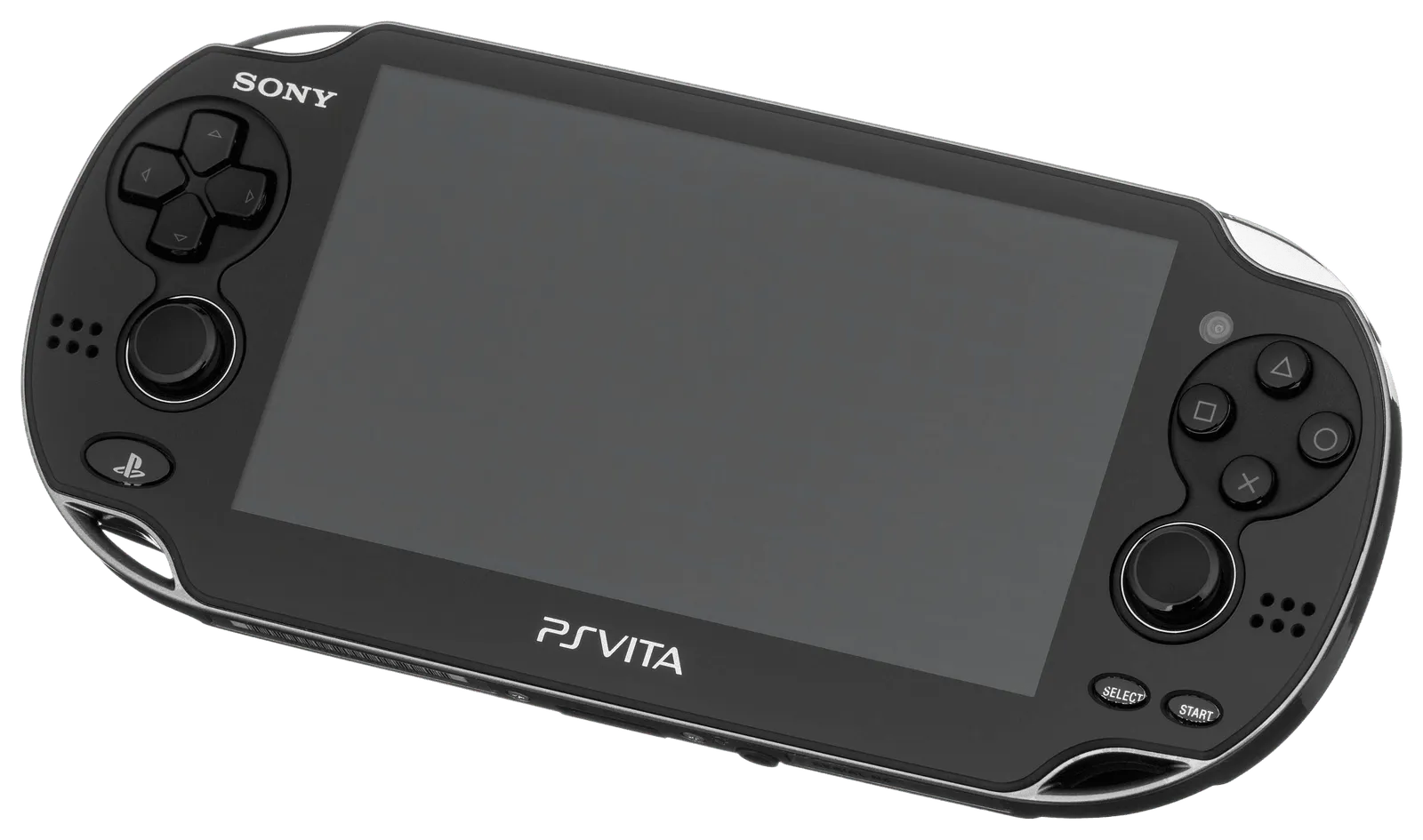
| PS Vita | 2012 | $250 | $300 | $367 | $440 |
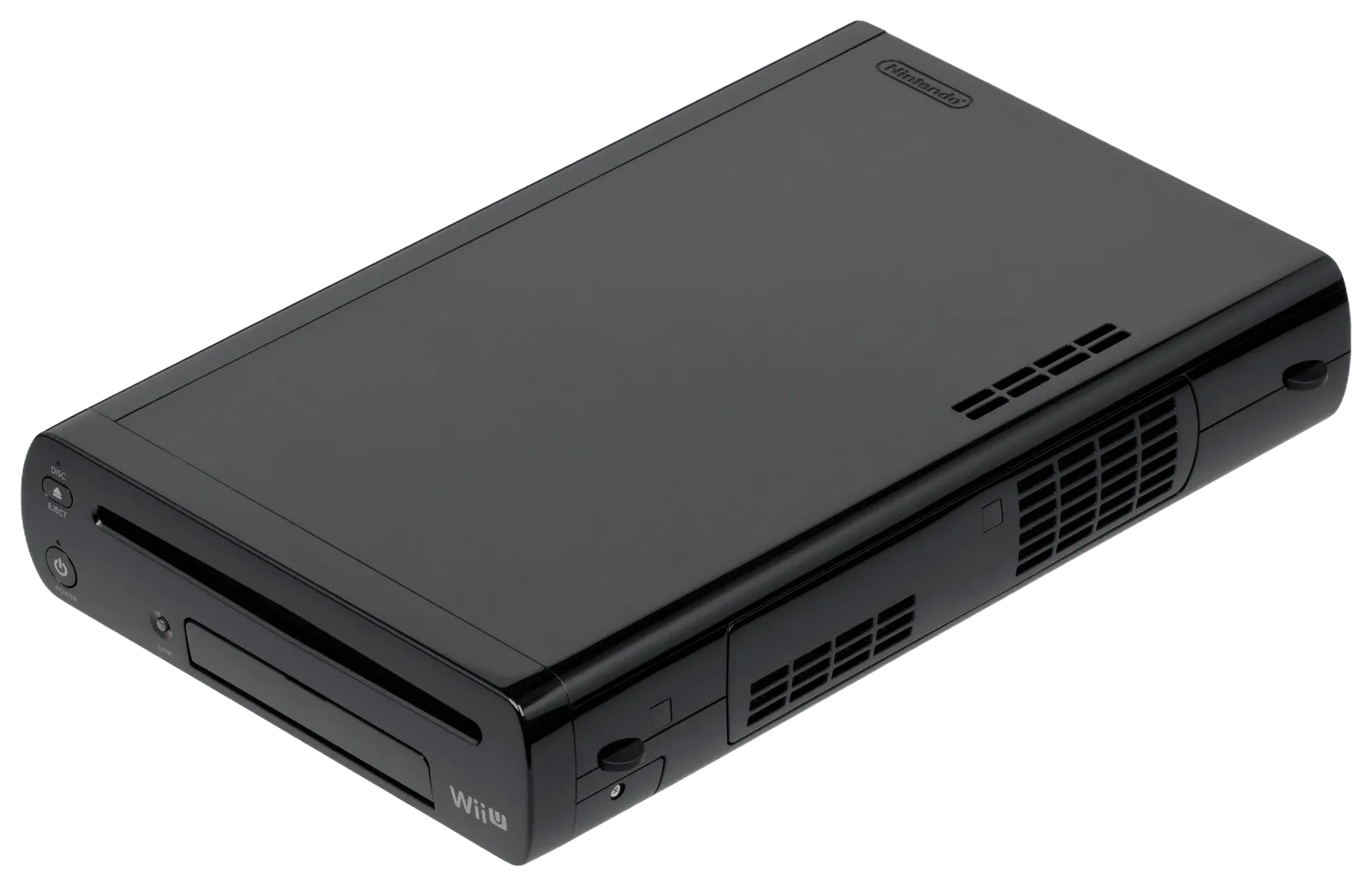
| Wii U | 2012 | $300 | $350 | $440 | $514 |
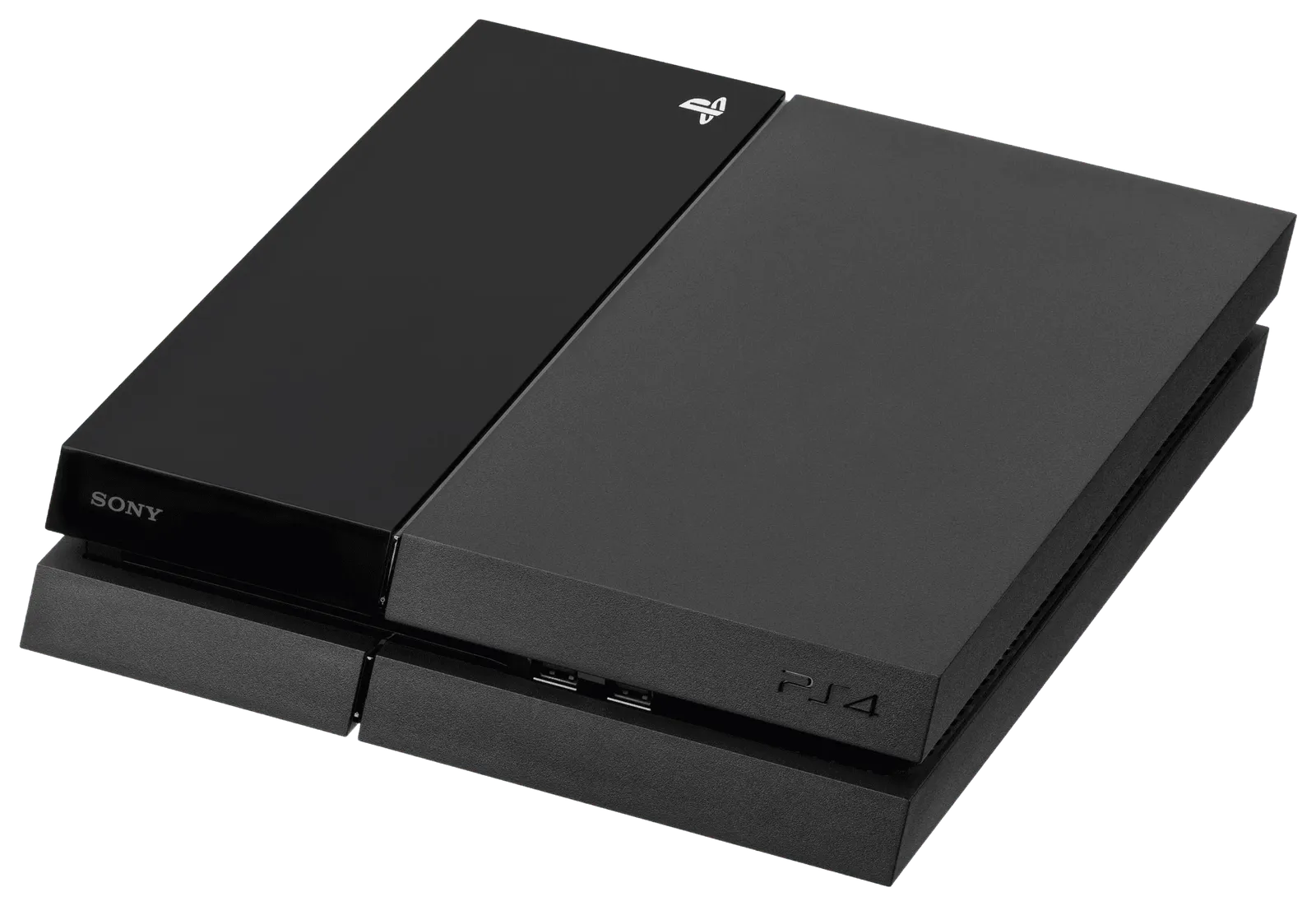
| PS4 | 2013 | $400 | – | $579 | – |
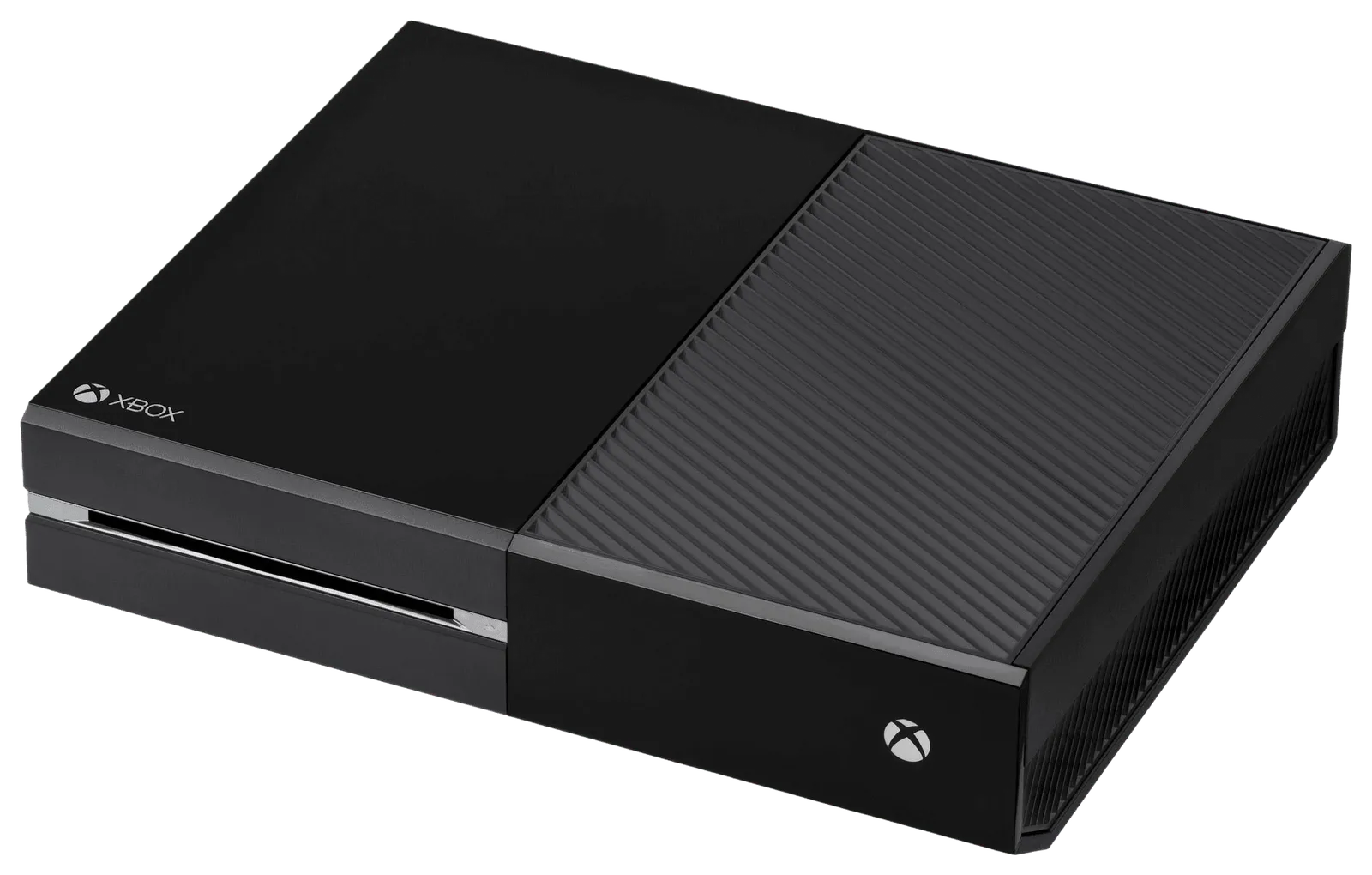
| Xbox One | 2013 | $499 | – | $722 | – |
| Switch | 2017 | $300 | – | $412 | – |
| PS5 | 2020 | $400 | $500 | $521 | $651 |
| Series X|S | 2020 | $299 | $499 | $389 | $650 |
| Steam Deck | 2022 | $399 | $649 | $459 | $747 |
| Switch 2 | 2025 | $450 | – | $471 | – |
| Steam Machine | 2026 | $1,049 | $1,349 | $1,049 | $1,349 |
The cheapest launch, in real terms, was the Game Boy Advance: US$99.99 in 2001, about US$190 now. In nominal dollars the record now belongs to Valve’s Steam Machine, a living-room PC that went on sale in late June 2026 at US$1,049. Valve blamed memory prices. Adjusted for inflation, it ranks fifth, behind the Neo Geo, the 3DO, the Intellivision and the Atari 2600.
06 · 2025–2026
For most of the history above, a console got cheaper as it aged. The PS2 launched at US$299 in October 2000. Sony cut it to US$199 in May 2002 and to US$129.99 in April 2006. The PS4 dropped from US$399.99 to US$349.99 two years after launch.
That stopped in 2025. Microsoft raised Xbox prices in May and October 2025, Sony raised the PS5 in August, and Nintendo raised the original Switch by US$40, eight years after its launch. The makers pointed to tariffs and “market conditions”.
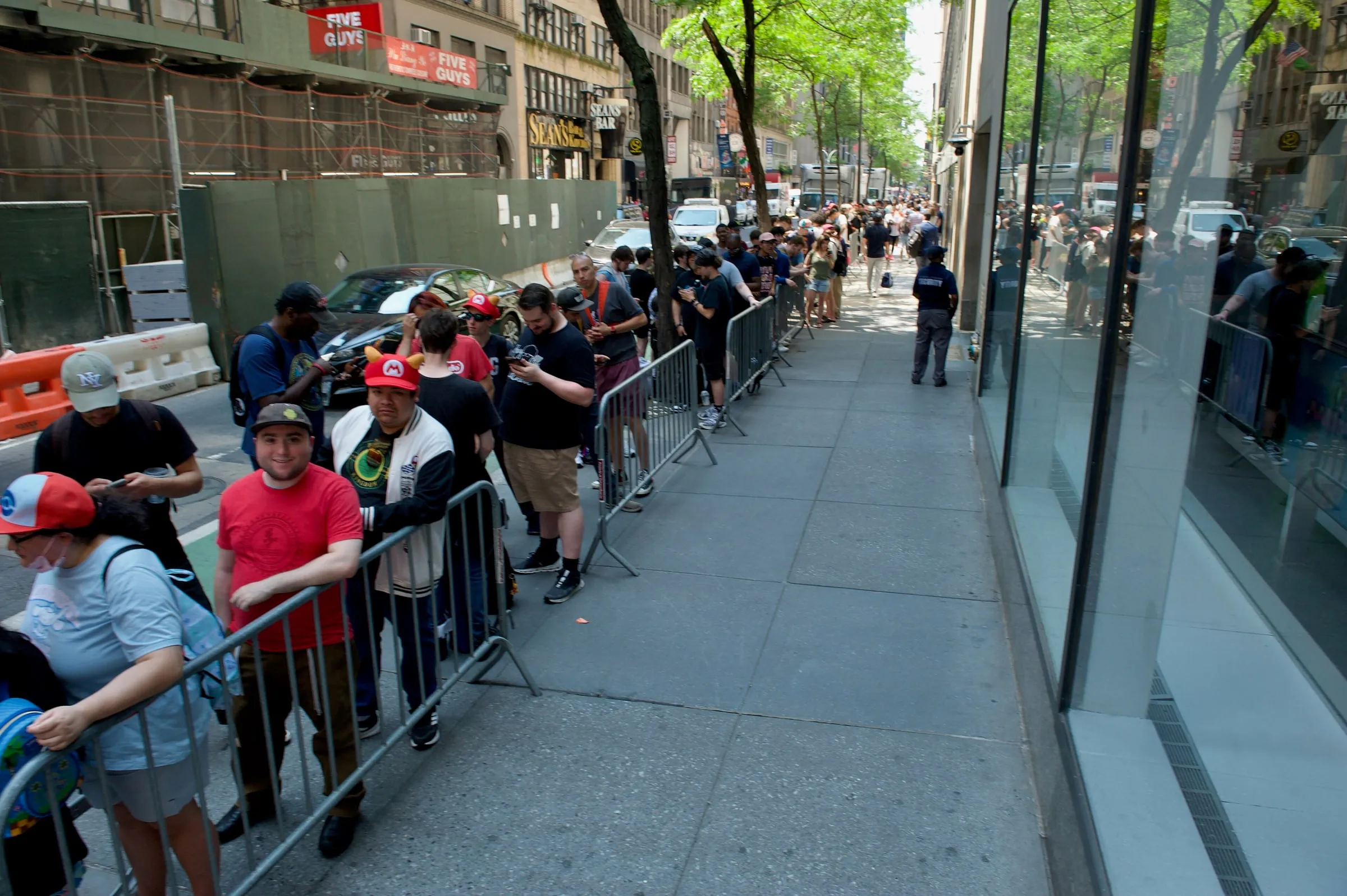
In 2026 a second round followed, this time tied to the cost of memory chips. The PS5 went to US$649.99 in April, the Series X to US$799.99 in August, and Switch 2 to US$499.99 on 1 September 2026, 15 months after it launched at US$449.99. The PS5 Pro, US$699.99 in November 2024, is now US$899.99.
US list price now, against launch
Inflation explains part of it. In 2026 dollars the PS5 costs about what it did in 2020, and the original Switch is still cheaper in real terms than at launch. The Xbox Series X and S are the exception: both cost more than 20% above their launch prices even after inflation.
Fig. 6 · Price paths
US price as a share of launch price (launch = 100), by years since US launch. Grey lines show two older PlayStations for comparison.
| PS2 | Oct 2000 · US$299 | US$129.99 (Apr 2006) | 43 | 37 |
|---|---|---|---|---|
| PS4 | Nov 2013 · US$399.99 | US$349.99 (Oct 2015) | 88 | 85 |
| PS5 | Nov 2020 · US$499.99 | US$649.99 (Apr 2026) | 130 | 100 |
| Xbox Series X | Nov 2020 · US$499 | US$799.99 (Aug 2026) | 160 | 124 |
| Xbox Series S | Nov 2020 · US$299 | US$499.99 (Aug 2026) | 167 | 129 |
| Switch | Mar 2017 · US$299.99 | US$339.99 (Aug 2025) | 113 | 82 |
None of this decides a console war on its own. The two best-selling machines here, the PS2 and the Switch, both launched at about US$300 in their day, and both stayed on sale long enough to get cheaper. The current generation has not had that chance yet. For Nintendo’s side of the story in more depth, see Handhelds Won, our drop on every Nintendo platform.
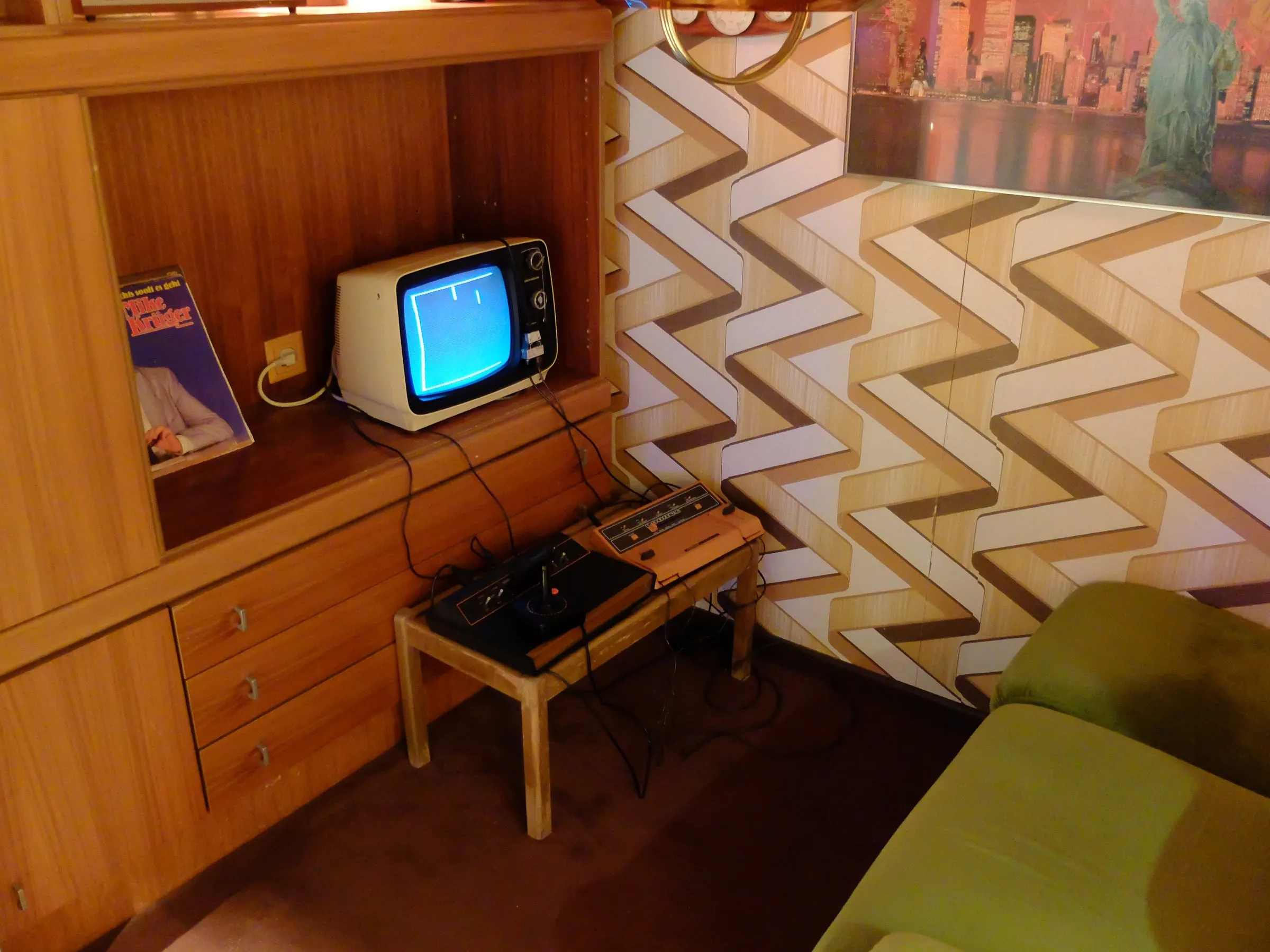
Fifty-four years under the telly.
| Magnavox Odyssey | Magnavox | 1 | Home | 1972 | c. 1975 | 0.35 | Estimate | $100 | 1972 | $806 |
|---|---|---|---|---|---|---|---|---|---|---|
| Atari 2600 (VCS) | Atari | 2 | Home | 1977 | 1992 | 30.00 | Estimate | $199 | 1977 | $1,106 |
| Intellivision | Mattel | 2 | Home | 1979 | c. 1990 | 3.00 | Estimate | $299 | 1980 | $1,223 |
| ColecoVision | Coleco | 2 | Home | 1982 | c. 1985 | 2.00 | Estimate | $175 | 1982 | $611 |
| Atari 5200 | Atari | 2 | Home | 1982 | 1984 | 1.00 | Estimate | $269 | 1982 | $939 |
| Famicom / NES | Nintendo | 3 | Home | 1983 | 2003 | 61.91 | Maker | $180 | 1985 | $564 |
| Sega Master System | Sega | 3 | Home | 1985 | c. 1996 | 13.00 | Estimate | $199 | 1986 | $612 |
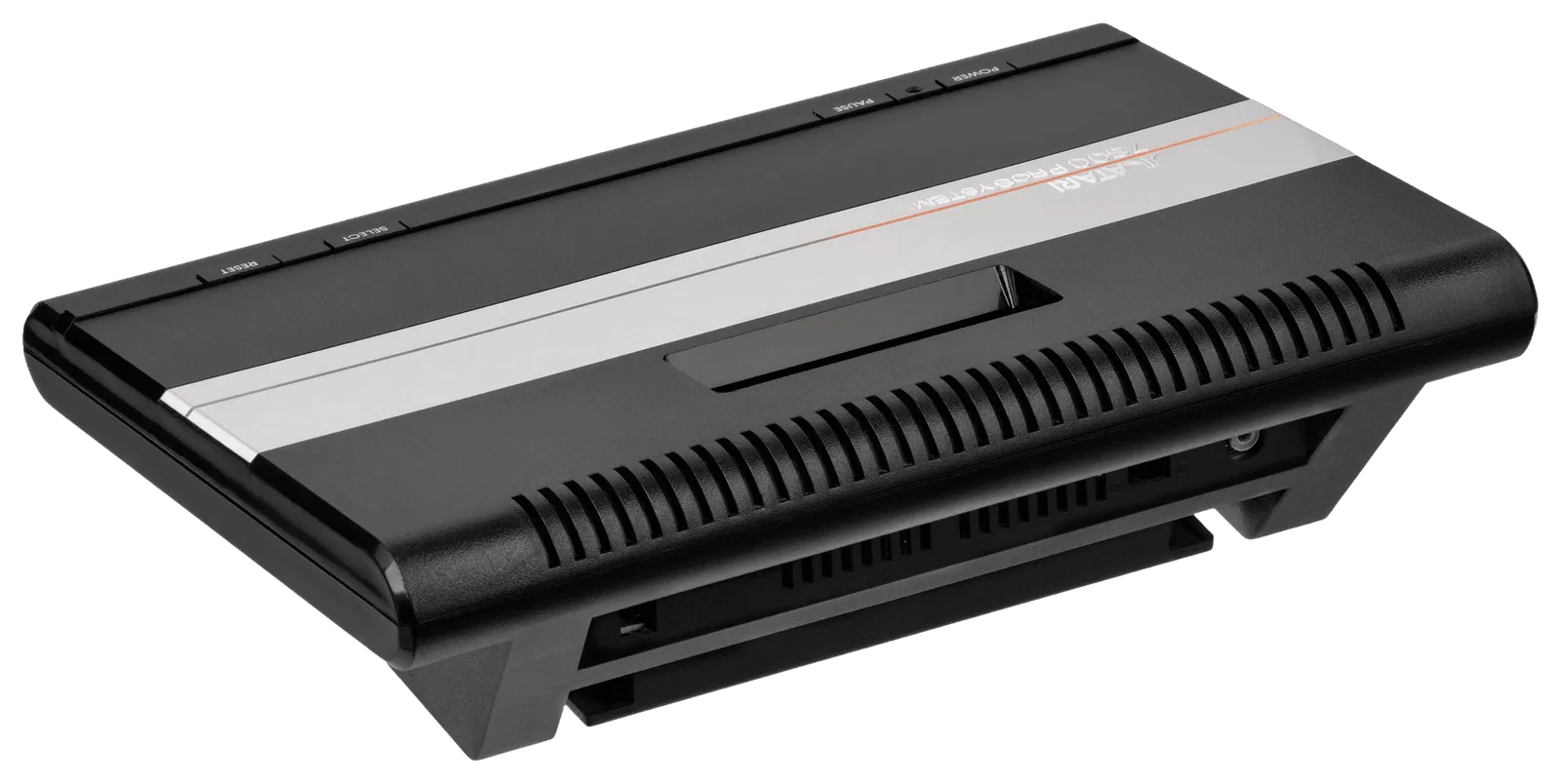
| Atari 7800 | Atari | 3 | Home | 1986 | 1992 | 3.77 | Estimate | – | – | – |
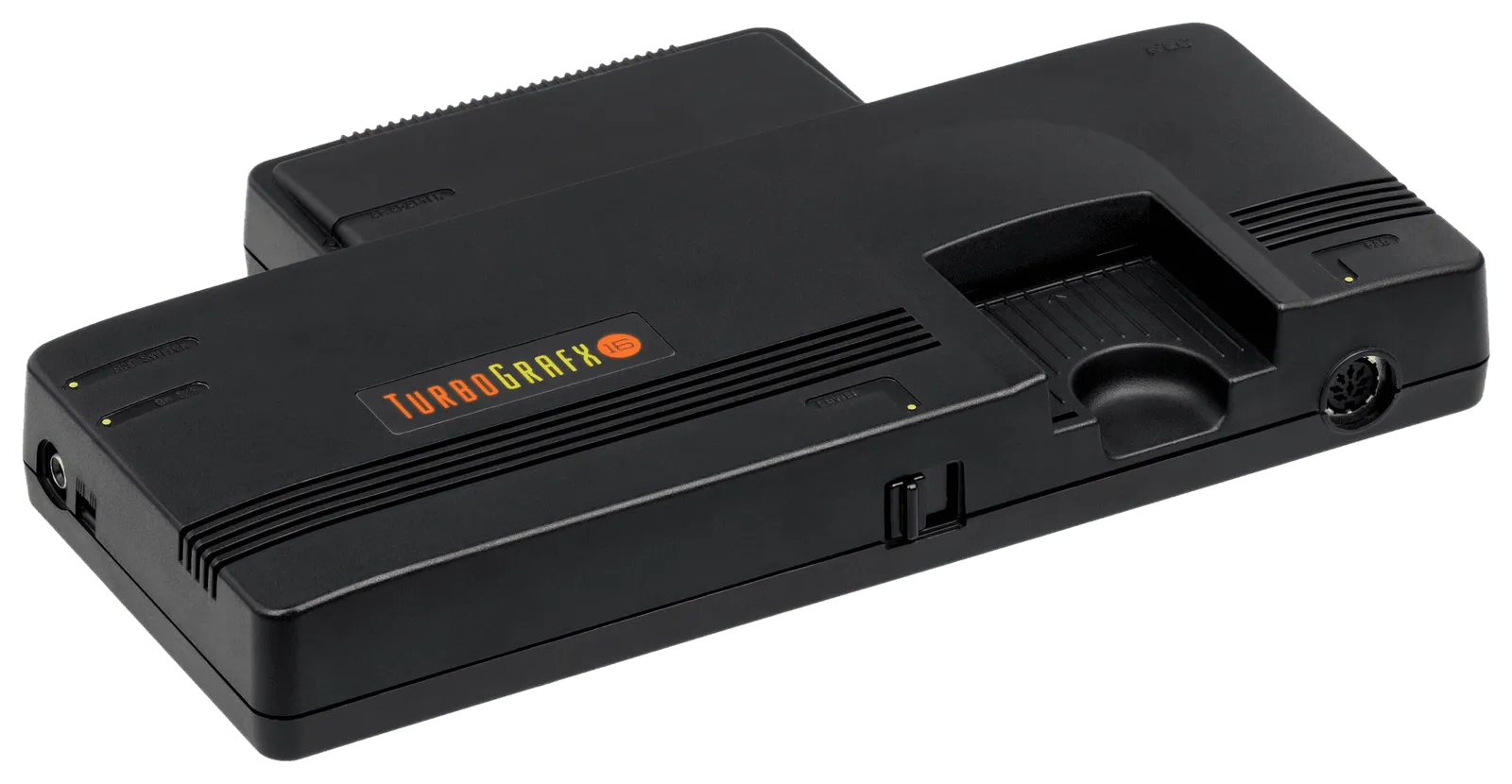
| PC Engine / TurboGrafx-16 | NEC | 4 | Home | 1987 | c. 1994 | 10.00 | Estimate | $200 | 1989 | $543 |
| Mega Drive / Genesis | Sega | 4 | Home | 1988 | c. 1997 | 30.75 | Estimate | $190 | 1989 | $516 |
| Game Boy (incl. Color) | Nintendo | 4 | Handheld | 1989 | c. 2003 | 118.69 | Maker | $90 | 1989 | $245 |
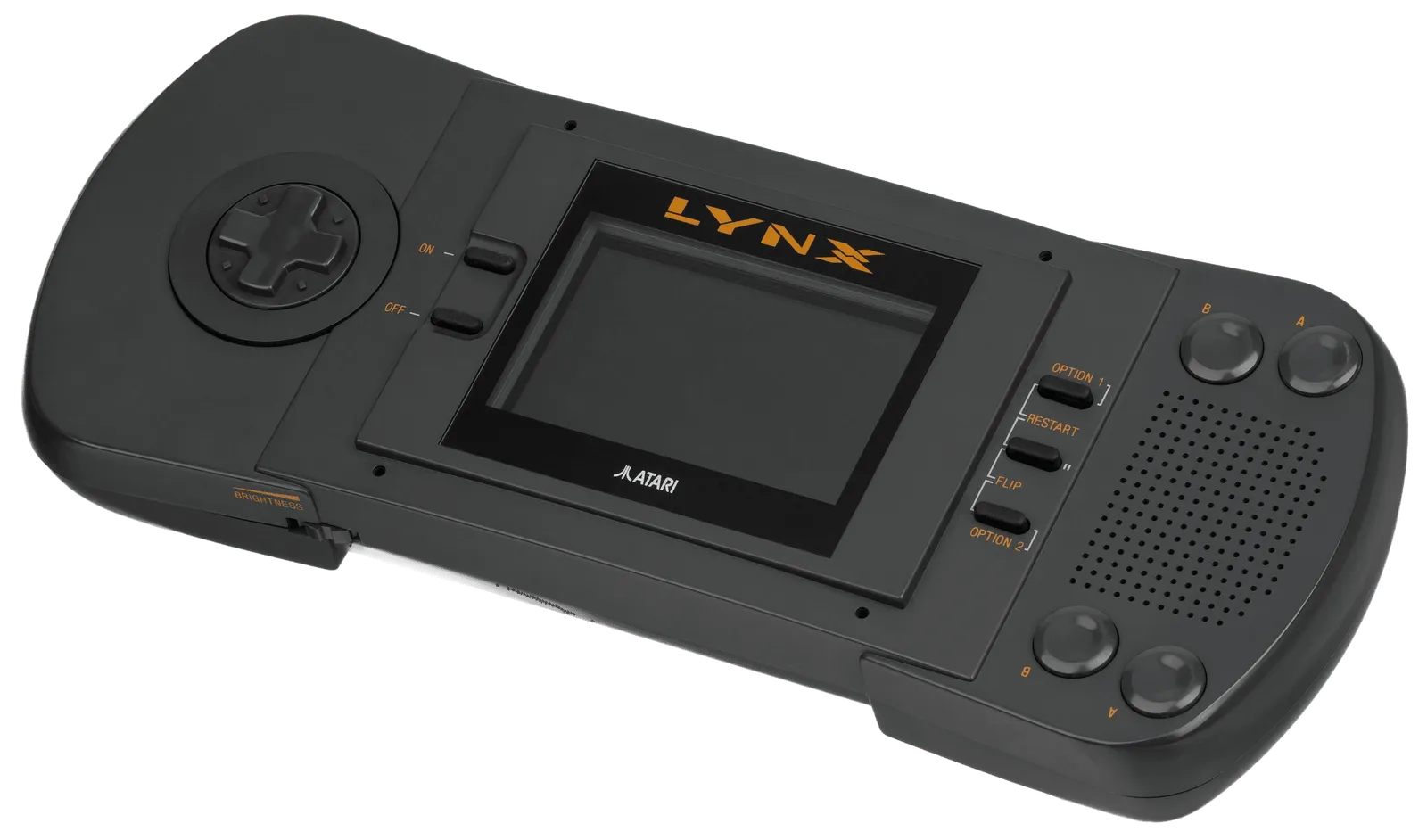
| Atari Lynx | Atari | 4 | Handheld | 1989 | c. 1995 | 2.00 | Estimate | $180 | 1989 | $489 |
| Neo Geo AES | SNK | 4 | Home | 1990 | c. 1997 | 0.41 | Estimate | $650 | 1990 | $1,676 |
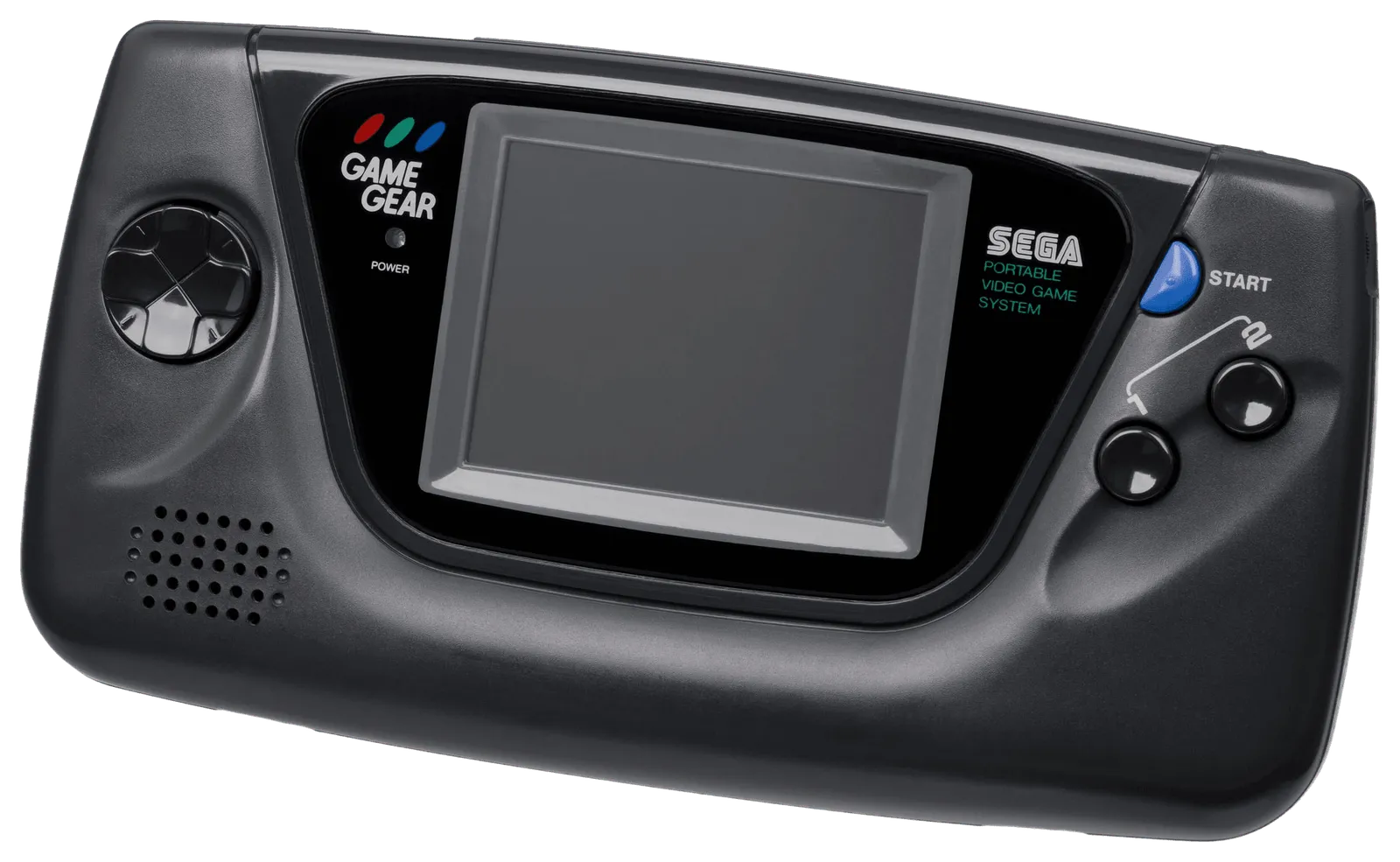
| Sega Game Gear | Sega | 4 | Handheld | 1990 | c. 1997 | 10.62 | Estimate | $150 | 1991 | $371 |
| Super Famicom / SNES | Nintendo | 4 | Home | 1990 | 2003 | 49.10 | Maker | $200 | 1991 | $495 |
| 3DO Interactive Multiplayer | Panasonic and others | 5 | Home | 1993 | c. 1996 | 2.00 | Estimate | $700 | 1993 | $1,632 |
| Atari Jaguar | Atari | 5 | Home | 1993 | c. 1996 | 0.25 | Estimate | $250 | 1993 | $583 |
| Sega Saturn | Sega | 5 | Home | 1994 | c. 2000 | 9.26 | Estimate | $399 | 1995 | $882 |
| PlayStation | Sony | 5 | Home | 1994 | 2006 | 102.49 | Maker | $299 | 1995 | $661 |
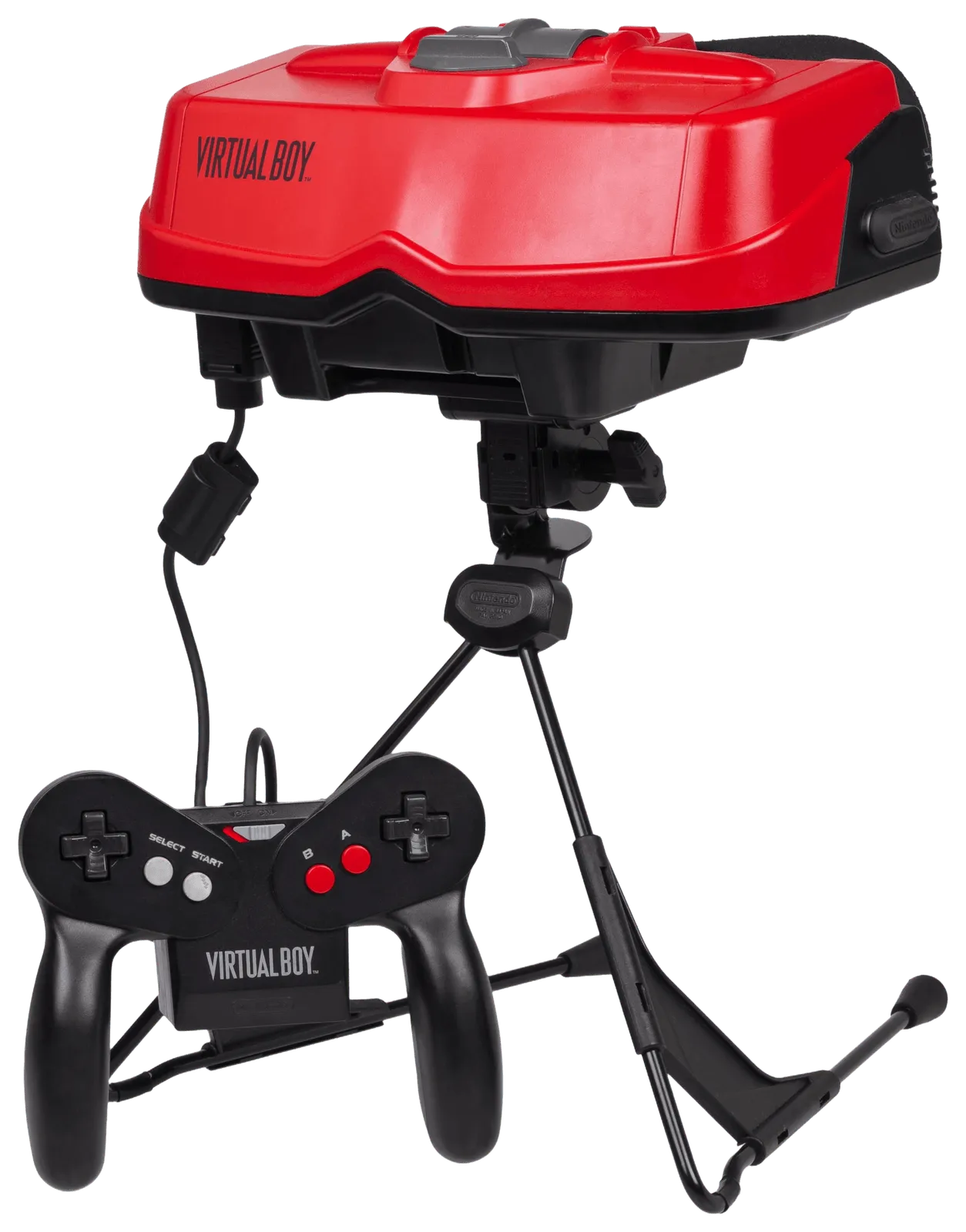
| Virtual Boy | Nintendo | 5 | Home | 1995 | c. 1996 | 0.77 | Estimate | $180 | 1995 | $398 |
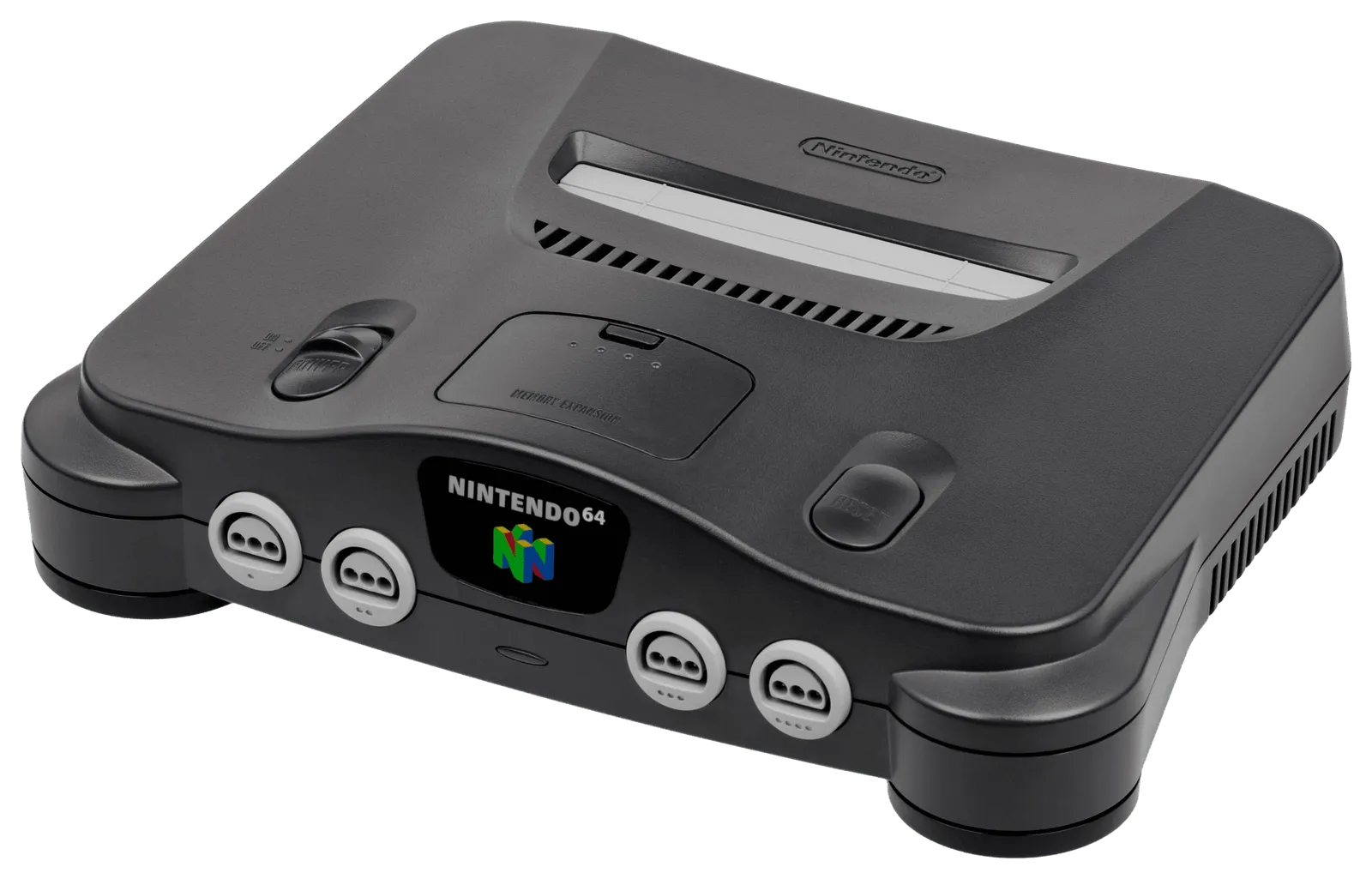
| Nintendo 64 | Nintendo | 5 | Home | 1996 | c. 2002 | 32.93 | Maker | $200 | 1996 | $429 |
| Dreamcast | Sega | 6 | Home | 1998 | 2001 | 9.13 | Estimate | $199 | 1999 | $402 |
| PlayStation 2 | Sony | 6 | Home | 2000 | 2013 | 160.00 | Maker (more than) | $299 | 2000 | $585 |
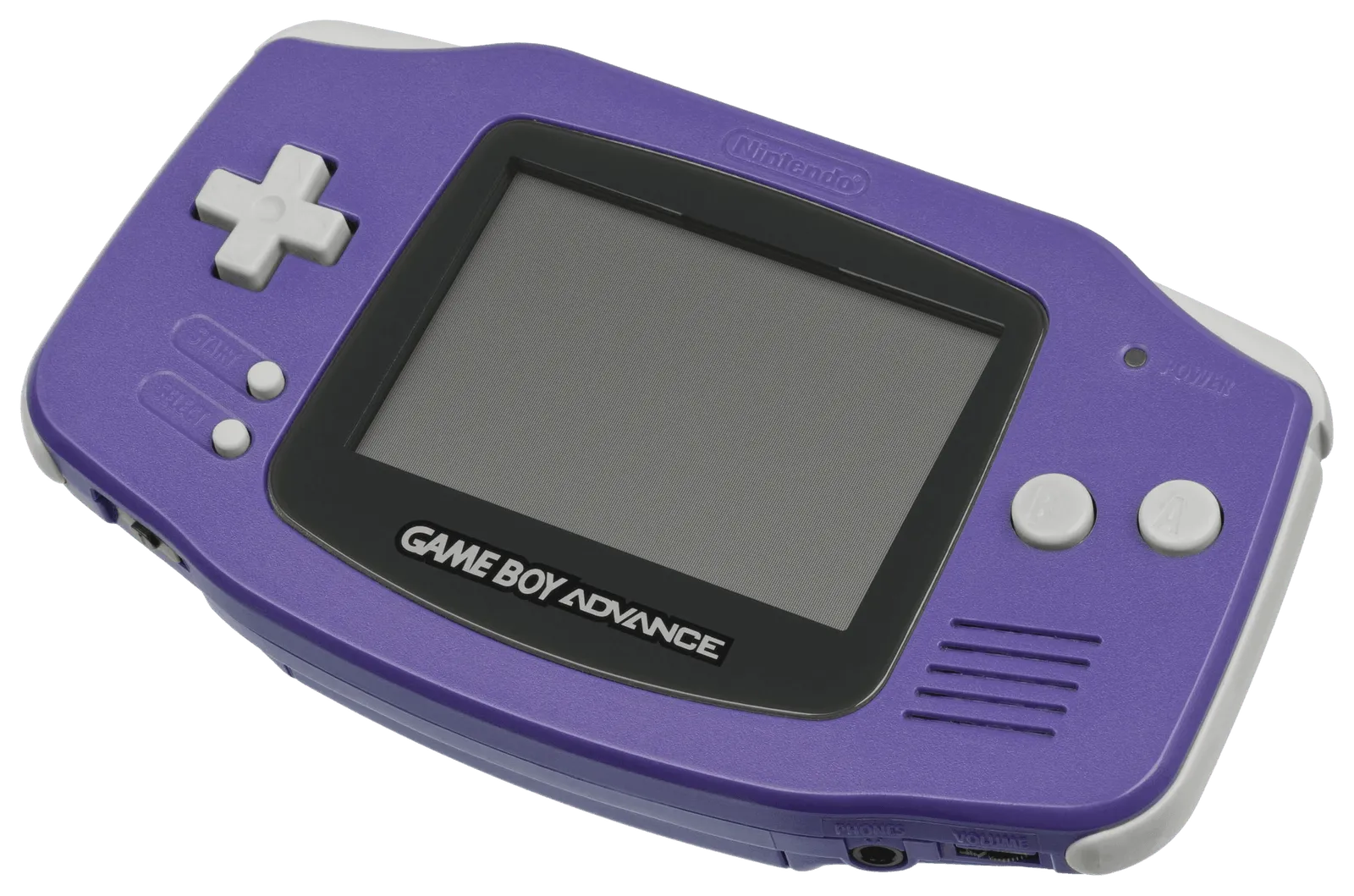
| Game Boy Advance | Nintendo | 6 | Handheld | 2001 | c. 2008 | 81.51 | Maker | $100 | 2001 | $190 |
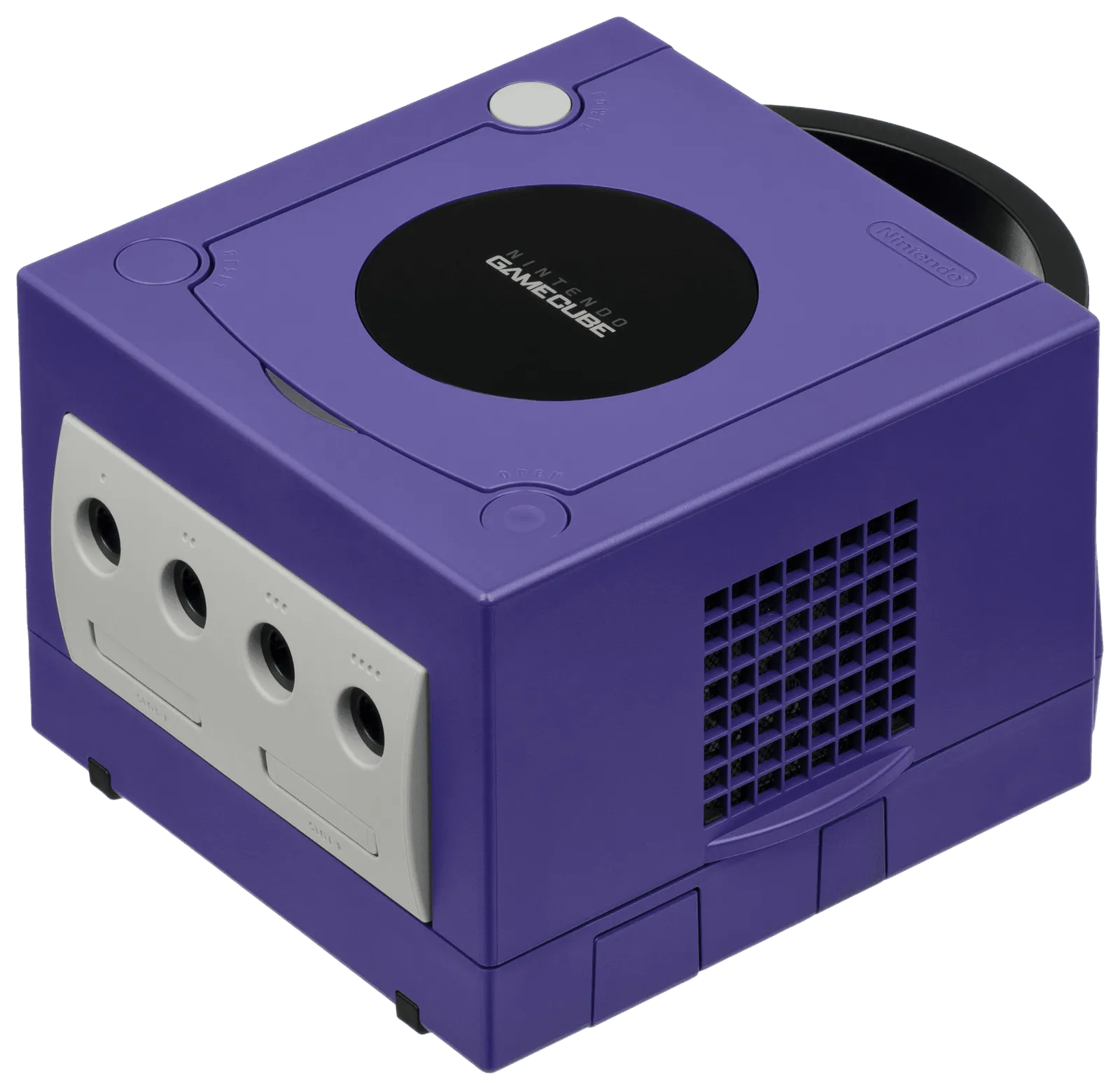
| GameCube | Nintendo | 6 | Home | 2001 | 2007 | 21.74 | Maker | $200 | 2001 | $380 |
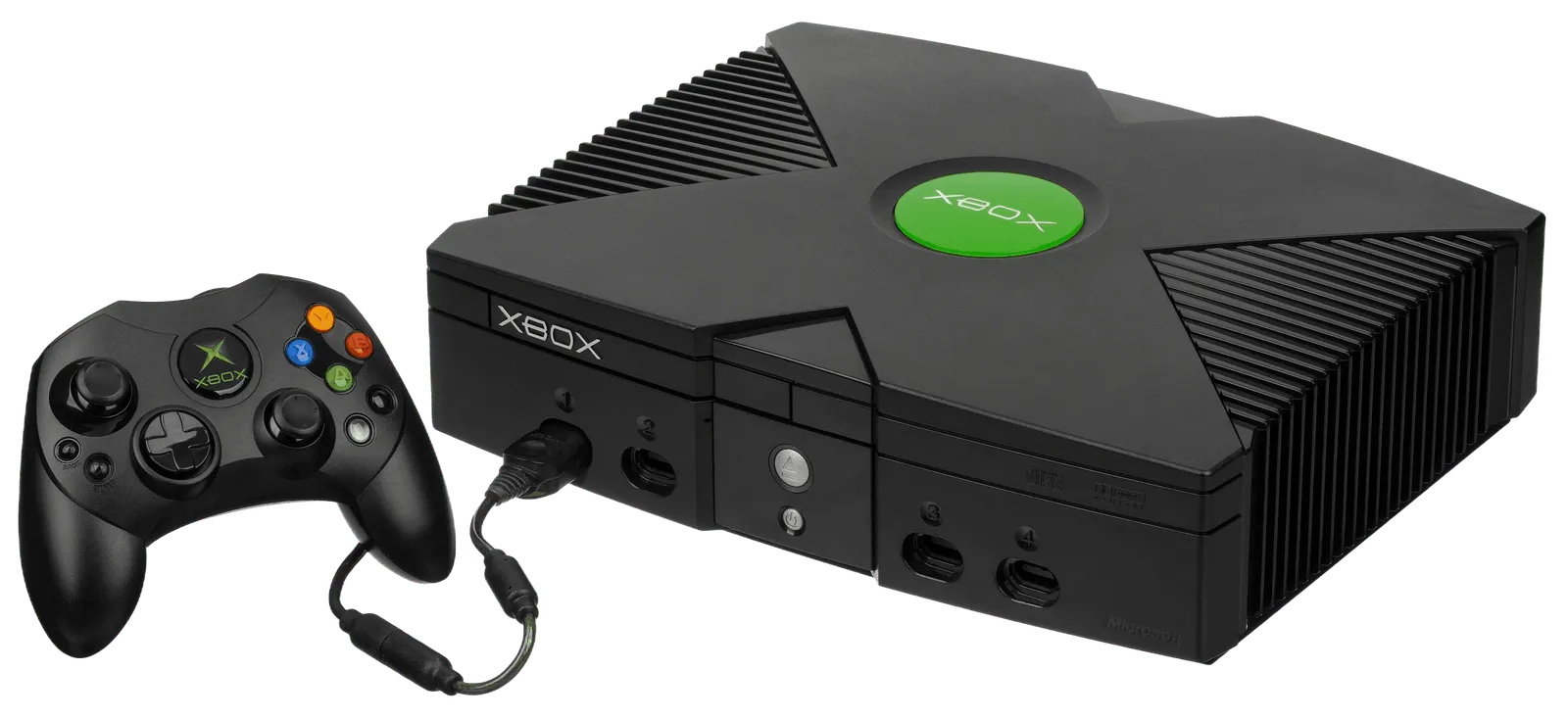
| Xbox | Microsoft | 6 | Home | 2001 | c. 2006 | 24.00 | Maker | $299 | 2001 | $569 |
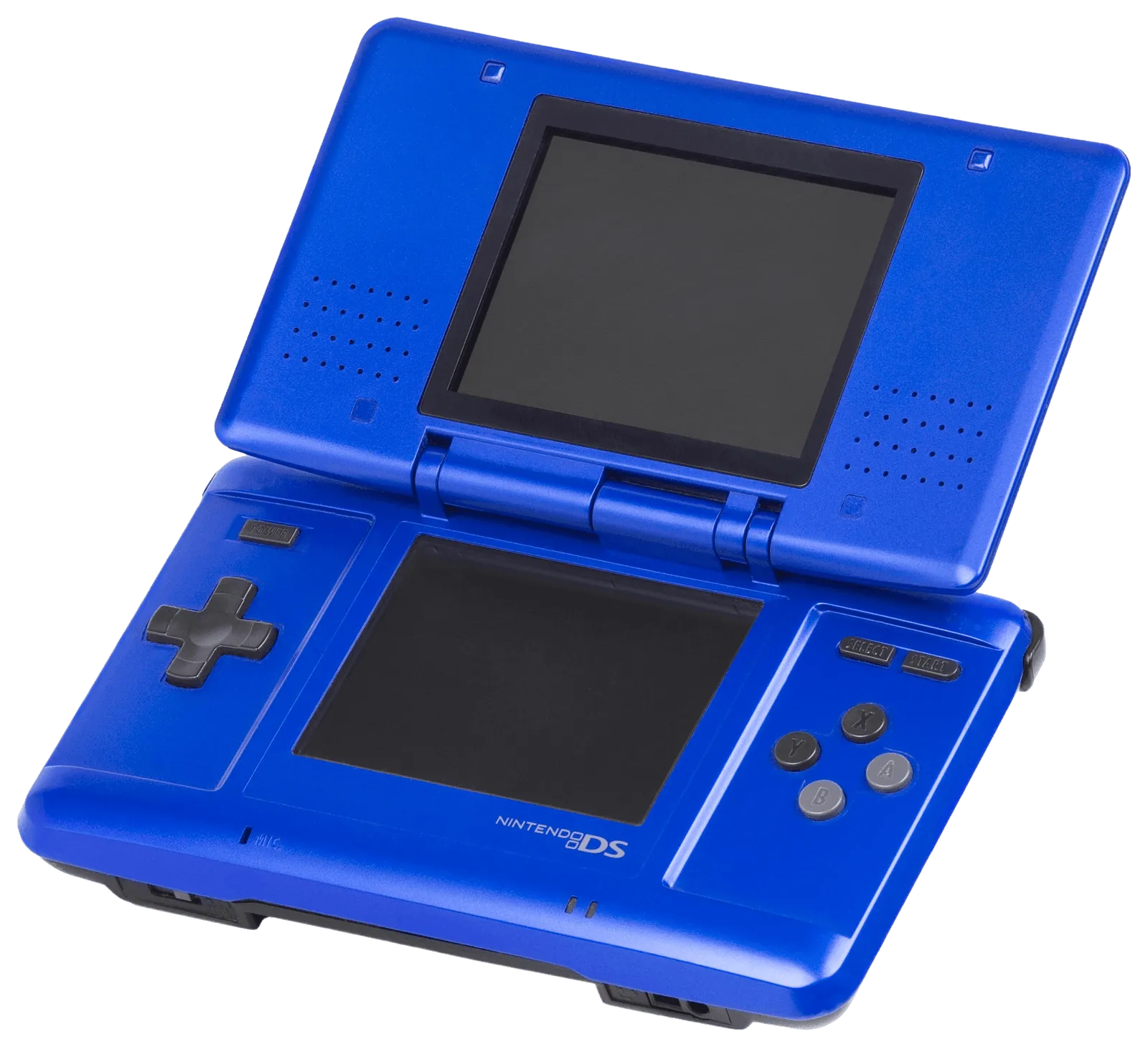
| Nintendo DS | Nintendo | 7 | Handheld | 2004 | c. 2013 | 154.02 | Maker | $150 | 2004 | $268 |
| PlayStation Portable | Sony | 7 | Handheld | 2004 | 2014 | 80.00 | Maker (more than) | $250 | 2005 | $431 |
| Xbox 360 | Microsoft | 7 | Home | 2005 | 2016 | 84.00 | Maker | $300 | 2005 | $518 |
| PlayStation 3 | Sony | 7 | Home | 2006 | 2017 | 87.40 | Maker | $499 | 2006 | $834 |
| Wii | Nintendo | 7 | Home | 2006 | c. 2013 | 101.63 | Maker | $250 | 2006 | $418 |
| Nintendo 3DS | Nintendo | 8 | Handheld | 2011 | 2020 | 75.94 | Maker | $250 | 2011 | $374 |
| PlayStation Vita | Sony | 8 | Handheld | 2011 | 2019 | – | Not disclosed | $250 | 2012 | $367 |
| Wii U | Nintendo | 8 | Home | 2012 | 2017 | 13.56 | Maker | $300 | 2012 | $440 |
| PlayStation 4 | Sony | 8 | Home | 2013 | 2022 | 117.20 | Maker | $400 | 2013 | $579 |
| Xbox One | Microsoft | 8 | Home | 2013 | 2020 | 58.00 | Estimate | $499 | 2013 | $722 |
| Nintendo Switch | Nintendo | 8 | Hybrid | 2017 | on sale | 156.59 | Maker | $300 | 2017 | $412 |
| PlayStation 5 | Sony | 9 | Home | 2020 | on sale | 95.30 | Maker | $400 | 2020 | $521 |
| Xbox Series X|S | Microsoft | 9 | Home | 2020 | on sale | 35.00 | Estimate | $299 | 2020 | $389 |
| Steam Deck | Valve | 9 | Handheld | 2022 | on sale | – | Not disclosed | $399 | 2022 | $459 |
| Nintendo Switch 2 | Nintendo | 9 | Hybrid | 2025 | on sale | 23.68 | Maker | $450 | 2025 | $471 |
| Steam Machine | Valve | 9 | Home | 2026 | on sale | – | Not disclosed | $1,049 | 2026 | $1,049 |
Sony’s count for the PlayStation 2. The Switch is at least 3.4 million short, and slowing. For now, the PS2 is still the best-selling console ever made.
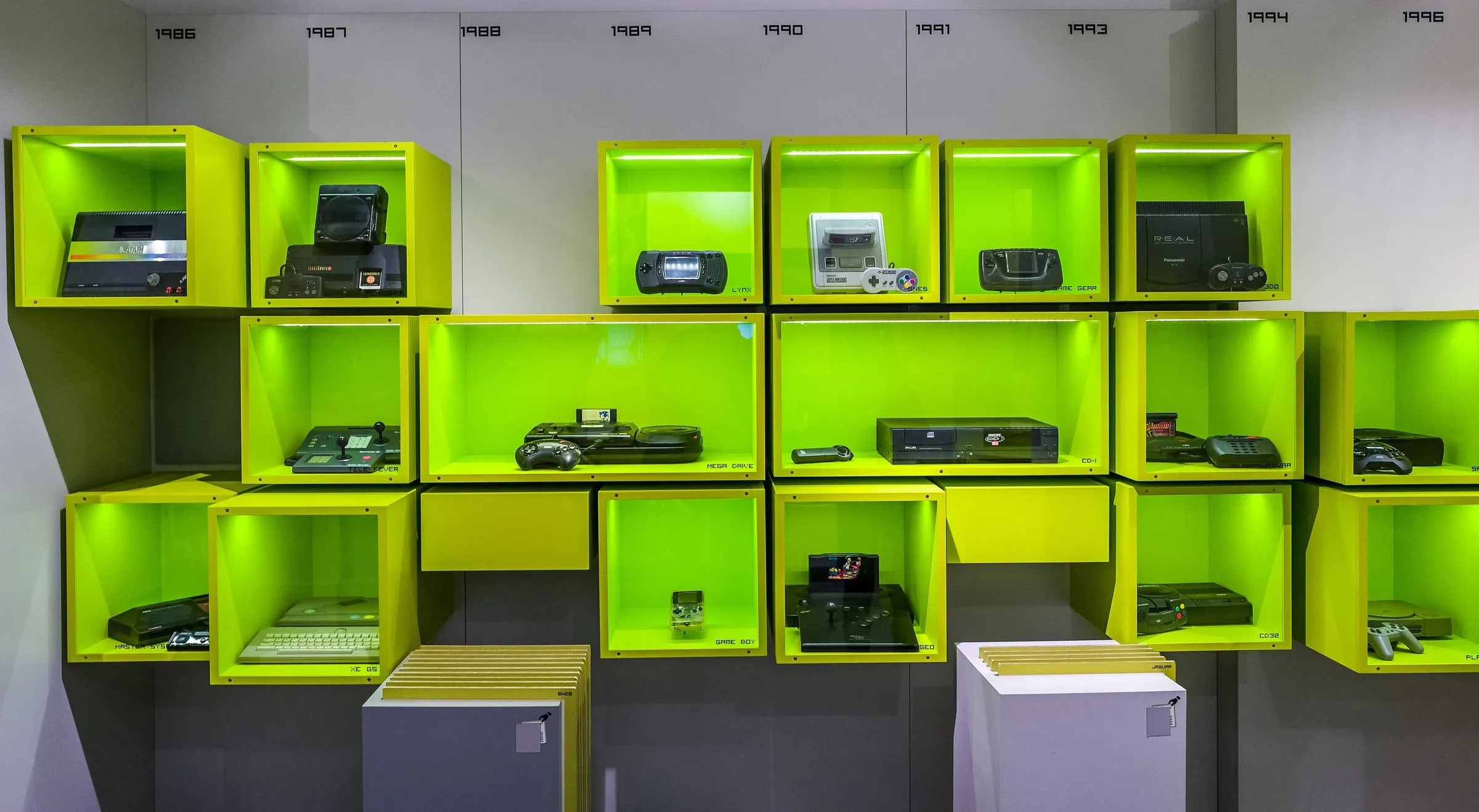
A 1970s living room, Computerspielemuseum Berlin. Ziko van Dijk / CC BY-SA 4.0
Cite this
The Studio (2026). “Console Wars.” No. 013, published 2 November 2026. thestudio.nz/drops/console-wars
Older
012DesignDyson
James Dyson built 5,127 versions of one vacuum cleaner before he had one that worked. Since then his company has put the same two ideas, a cyclone and a very fast motor, into almost everything that moves air.
Newer
 006
DesignPantone
We measured all 29 Pantone Colors of the Year. For 26 years the picks swung between loud and quiet, with no steady fade. Then, for 2026, Pantone chose white.
The list
New stories land on Mondays. No noise in between, and you can leave whenever you like.
The list opens soon.
Until then, follow along with the RSS feed, or write to hello@thestudio.nz and we will add you on day one.